
Cutting-Edge Yacht Design: Shaping Tomorrow’s Luxury
- info27745
- Jan 7
- 9 min read
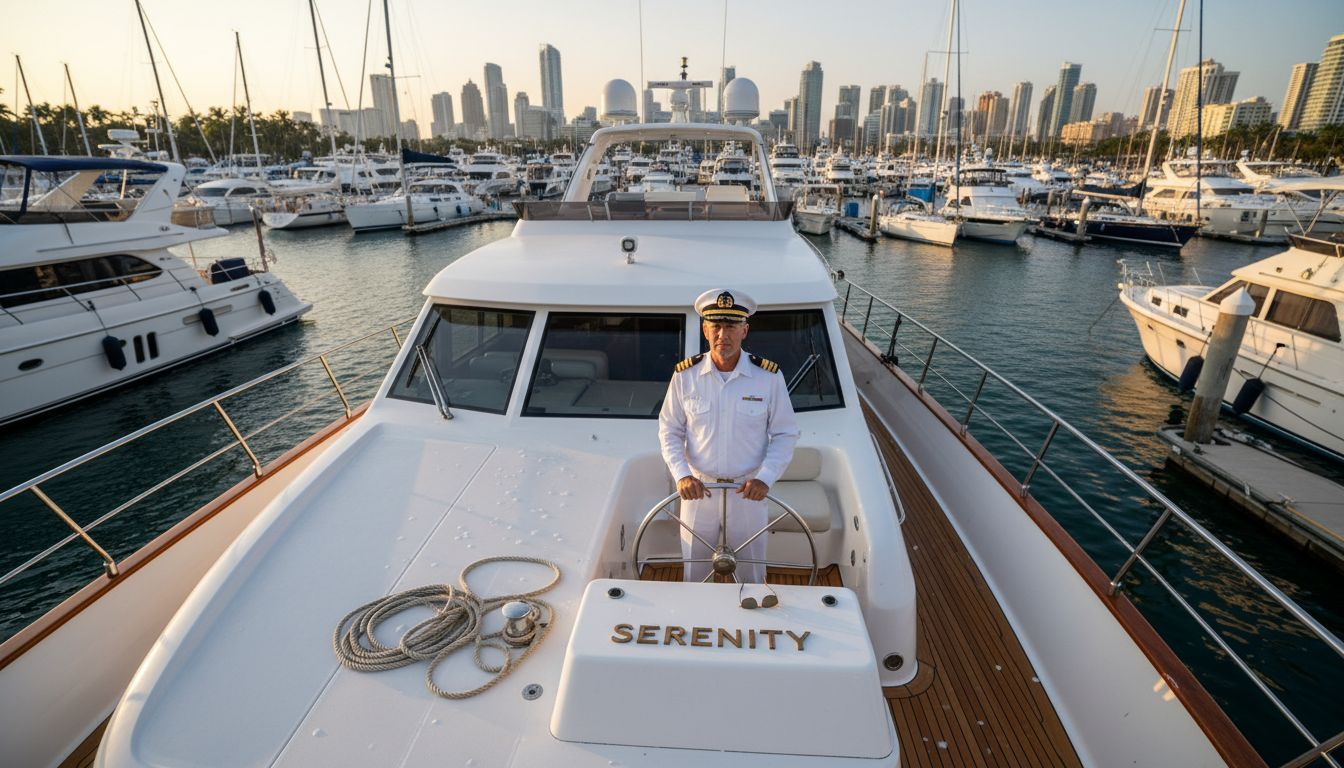
Most American yacht owners over 50 want more than just a beautiful vessel—they seek innovation that makes a difference. Today’s cutting-edge yacht designs deliver advanced technology, eco-friendly materials, and unrivaled comfort at sea. With global demand growing and sustainability at the forefront, these next-generation yachts are transforming maritime luxury. Discover how modern engineering and design principles are creating unique, responsible, and sophisticated experiences for discerning owners who expect the extraordinary.
Table of Contents
Key Takeaways
Point | Details |
Cutting-edge Design | Modern yacht design combines technology, sustainability, and luxury, redefining maritime experiences. |
Hull Types | Displacement, planing, and semi-displacement hulls each offer distinct advantages and limitations tailored to specific cruising needs. |
Technological Innovations | Advanced propulsion systems and digital integration enhance performance, comfort, and operational efficiency for contemporary yachts. |
Sustainability Focus | Eco-friendly practices are integral to yacht design, emphasizing materials and technologies aimed at reducing environmental impact. |
Defining cutting-edge yacht design and its principles
Cutting-edge yacht design represents a sophisticated intersection of technology, engineering, and aesthetic innovation, pushing boundaries far beyond traditional maritime construction. Modern yacht design integrates advanced computational modeling, hydrodynamic optimization, and sustainable materials to create vessels that are not just transportation platforms, but transformative luxury experiences.
The core principles of contemporary yacht design emerge from multiple critical considerations. Advanced design methodologies emphasize collaborative tools, data sharing, and integrated modeling techniques that allow designers to simulate complex performance scenarios before physical construction. These approaches prioritize three fundamental elements: hydrodynamic efficiency, structural integrity, and aesthetic elegance.
Key technological innovations driving modern yacht design include sophisticated hull shape optimization, lightweight composite materials, and adaptive engineering solutions. The principles of yacht design highlight critical factors like stability, performance efficiency, and the delicate balance between functional requirements and visual appeal. Advanced yacht designers now incorporate technologies such as computational fluid dynamics, parametric modeling, and machine learning algorithms to predict and enhance vessel performance with unprecedented precision.
Modern yacht design transcends mere transportation, representing a holistic approach to maritime engineering that combines cutting-edge technology, environmental consciousness, and unparalleled luxury. By integrating advanced computational tools, sustainable materials, and innovative design philosophies, contemporary yacht designers are reshaping our understanding of maritime mobility and luxury experiences.
Pro tip: Always consult naval architects who specialize in integrated design methodologies to ensure your yacht concept balances technological innovation with practical performance requirements.
Types of innovative yacht designs and distinctions
Innovative yacht design encompasses a diverse range of sophisticated vessel types, each representing unique engineering approaches and technological advancements. Yacht architecture has evolved dramatically, creating distinct classifications that reflect increasingly complex performance requirements and design philosophies.

Three primary hull design categories dominate contemporary yacht innovation: displacement hulls, planing hulls, and semi-displacement configurations. Displacement hulls prioritize efficiency and smooth ocean traversing, maintaining consistent waterline contact and offering superior stability for long-distance voyages. Planing hulls, conversely, utilize high-speed hydrodynamic principles to lift the vessel’s body above water at high speeds, dramatically reducing water resistance and enabling rapid acceleration.
Material selection plays a critical role in defining innovative yacht designs, with advanced composites like carbon fiber, aerospace-grade aluminum, and high-strength steel transforming vessel construction. Modern yacht types now incorporate specialized hull appendages such as high-aspect-ratio keels, bulbous bows, and adaptive underwater foils that enhance performance, stability, and efficiency. These technological innovations allow designers to create vessels that seamlessly blend aesthetic elegance with extraordinary functional capabilities.
The future of yacht design lies in hybrid technologies that integrate sustainable propulsion, intelligent navigation systems, and adaptive engineering solutions. By combining computational modeling, advanced materials, and breakthrough hydrodynamic principles, contemporary yacht designers are redefining maritime luxury and performance standards.
Here’s how the primary yacht hull types differ:
Hull Type | Main Advantage | Ideal Usage | Notable Limitation |
Displacement Hull | Superior stability, smooth ride | Long-distance cruising | Limited maximum speed |
Planing Hull | High-speed performance | Fast coastal trips | Less stable in rough seas |
Semi-Displacement Hull | Balance of speed and efficiency | Versatile cruising and speed | Compromised on both extremes |
Pro tip: Prioritize consulting naval architects who specialize in multiple hull design categories to ensure your yacht concept matches your specific performance and lifestyle requirements.
Key technologies and patented features in modern yachts
The contemporary yacht design landscape is revolutionized by sophisticated technologies that transform maritime engineering into an art form of precision and innovation. Yacht design innovations now integrate cutting-edge systems that dramatically enhance performance, comfort, and operational efficiency.
Advanced propulsion technologies represent a critical frontier in modern yacht development. Hybrid electric-diesel systems, combined with intelligent power management algorithms, enable unprecedented fuel efficiency and reduced environmental impact. Emerging technologies like hydrogen fuel cells and advanced battery storage are pushing the boundaries of marine propulsion, allowing yacht owners to achieve remarkable ranges while minimizing carbon footprints. Sophisticated stabilization technologies, including gyroscopic stabilizers and adaptive hull design, provide unparalleled onboard comfort by mitigating wave-induced motion and reducing vessel roll.
Digital integration has become a hallmark of contemporary yacht design, with intelligent navigation systems, AI-powered route optimization, and comprehensive onboard management platforms transforming the maritime experience. These systems leverage machine learning algorithms to predict maintenance requirements, optimize fuel consumption, and provide real-time environmental and performance data. Lightweight composite materials such as carbon fiber and advanced aluminum alloys enable designers to create structures that are simultaneously stronger, more flexible, and significantly lighter than traditional maritime construction materials.
The future of yacht technology lies in the seamless integration of sustainable engineering, intelligent systems, and adaptive design philosophies. By combining advanced computational modeling, breakthrough materials science, and holistic performance optimization, modern yacht designers are creating vessels that represent far more than transportation platforms - they are sophisticated, intelligent ecosystems that redefine maritime luxury and technological potential.
Pro tip: Consult naval engineering specialists who can provide comprehensive assessments of emerging yacht technologies to ensure your vessel incorporates the most advanced and future-proof systems.
Sustainability and eco-friendly practices in yacht design
Sustainability has emerged as a defining principle in contemporary yacht design, transforming luxury maritime experiences into environmentally conscious engineering marvels. Yacht design trends now prioritize innovative approaches that seamlessly integrate ecological responsibility with high-performance maritime engineering.
Advanced sustainable technologies are revolutionizing yacht construction through comprehensive strategies encompassing materials, propulsion, and onboard systems. Designers are increasingly utilizing recycled composites, bio-based resins, and lightweight materials that dramatically reduce environmental impact while maintaining structural integrity. Solar panel integration, hybrid propulsion systems, and sophisticated energy recovery technologies enable yacht owners to minimize carbon footprints without compromising performance. Specialized waste management systems, water filtration technologies, and biodegradable material selections further demonstrate the industry’s commitment to marine ecosystem preservation.
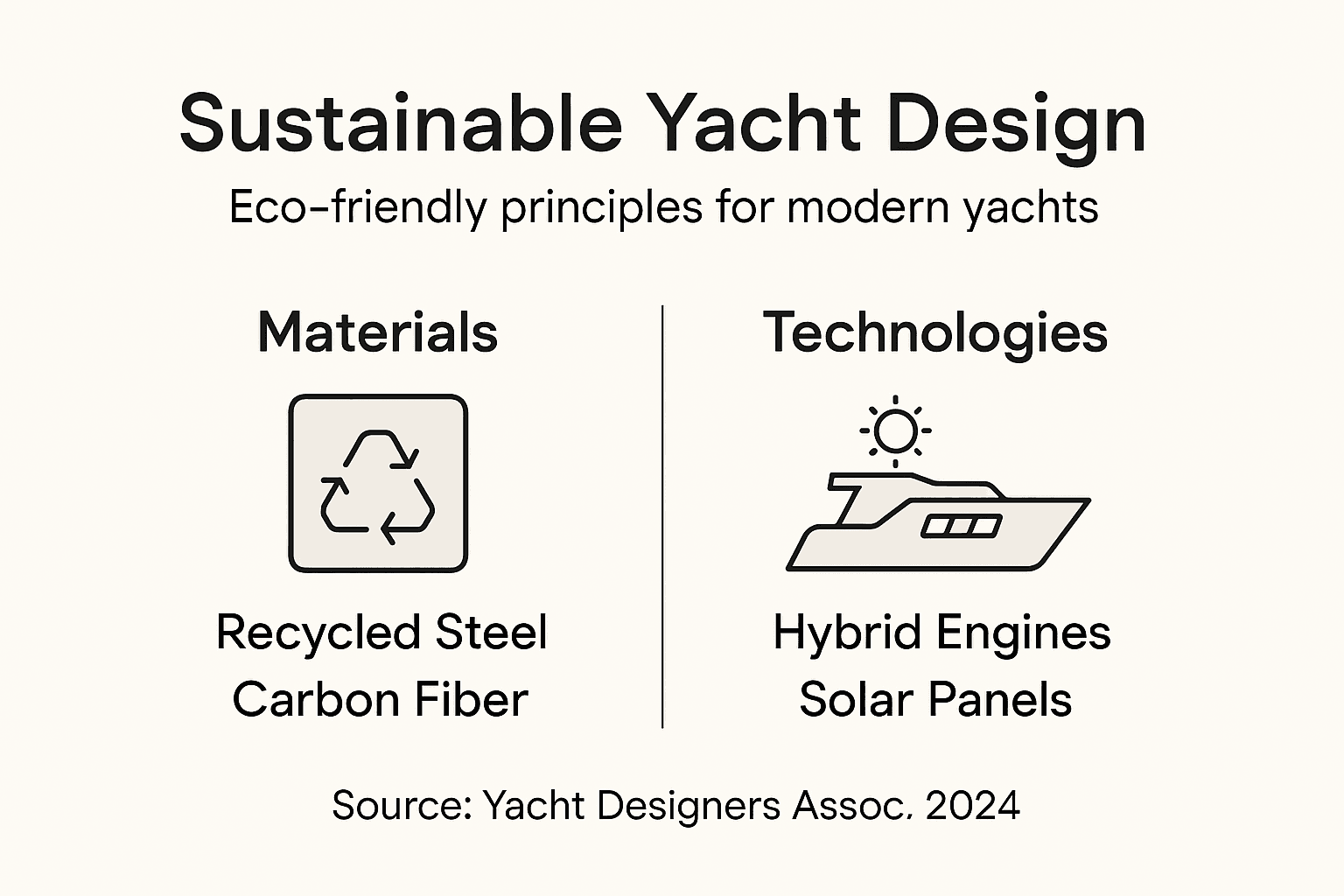
The evolution of eco-friendly yacht design extends beyond technological innovations to include holistic architectural philosophies. Modern yacht designers incorporate advanced computational modeling to optimize hull shapes for maximum hydrodynamic efficiency, reducing fuel consumption and minimizing marine environmental disruption. Renewable energy sources, including hydrogen fuel cells and advanced battery storage systems, are progressively replacing traditional fossil fuel technologies, enabling longer ranges with substantially reduced emissions. These innovations represent a fundamental reimagining of maritime transportation as a harmonious interaction between human engineering and natural systems.
As the maritime industry confronts global environmental challenges, yacht design stands at the forefront of sustainable luxury innovation. By integrating cutting-edge technologies, advanced materials, and environmentally conscious design principles, contemporary yacht designers are creating vessels that represent more than transportation platforms - they are sophisticated expressions of ecological responsibility and technological potential.
Pro tip: Consult specialized naval architects who demonstrate proven expertise in sustainable yacht design to ensure your vessel incorporates the most advanced and environmentally responsible technologies.
Customization, costs, and owner responsibilities
Owning a cutting-edge yacht represents a complex financial and operational commitment that extends far beyond the initial purchase. Owner responsibilities involve intricate considerations of customization, ongoing maintenance, regulatory compliance, and substantial long-term financial planning.
Customization represents the most personalized aspect of yacht ownership, allowing high-net-worth individuals to transform technical specifications into unique maritime experiences. Bespoke design options range from advanced technological integrations and specialized interior layouts to custom material selections and personalized performance configurations. These tailored solutions can significantly impact overall vessel costs, with pricing potentially escalating from base models by 30-50% depending on complexity and technological sophistication. Owners must carefully balance aesthetic desires with practical performance requirements, working closely with naval architects to ensure their vision aligns with maritime engineering principles.
Financial responsibilities extend well beyond the initial acquisition, encompassing comprehensive lifecycle management. Annual operational costs typically range between 10-15% of the vessel’s original value, covering critical elements such as crew salaries, fuel, maintenance, insurance, docking fees, and mandatory safety certifications. Advanced technological features like hybrid propulsion systems, smart navigation platforms, and sustainable design elements can introduce additional specialized maintenance requirements that demand expert technical support and potentially higher operational expenses.
The following summary clarifies annual yacht ownership cost considerations:
Expense Category | Typical Annual Share | Description |
Crew Salaries | 30-40% | Wages for experienced personnel |
Maintenance | 20-25% | Upkeep, repairs, system checks |
Fuel & Operation | 15-20% | Fuel, supplies, daily operations |
Insurance & Fees | 10-15% | Coverage, marina, government fees |
Legal and regulatory compliance represents another crucial dimension of yacht ownership. International maritime regulations, environmental protection standards, and safety certifications create a complex landscape of responsibilities. Yacht owners must navigate registration processes, maintain rigorous safety protocols, adhere to environmental guidelines, and ensure ongoing technical inspections. Successful ownership requires a proactive approach to understanding and implementing these multifaceted regulatory requirements.
Pro tip: Engage a specialized maritime consulting firm to conduct a comprehensive total cost of ownership analysis before finalizing your yacht investment to understand the full financial and operational implications.
Risks, pitfalls, and comparison to traditional yachts
Cutting-edge yacht design represents a complex landscape of technological innovation balanced against potential operational challenges. Design methodology risks reveal significant differences between traditional and advanced yacht approaches, highlighting nuanced trade-offs between proven reliability and technological potential.
Traditional yacht designs prioritize proven engineering principles with simpler hull configurations and well-established material selections that minimize operational uncertainties. In contrast, cutting-edge yacht designs introduce advanced technologies like adaptive hull forms, hybrid propulsion systems, and intelligent navigation platforms that can potentially increase maintenance complexity and operational costs. These innovative approaches offer superior performance metrics but require specialized technical expertise, sophisticated crew training, and more intricate maintenance protocols compared to conventional maritime vessels.
The primary risks associated with advanced yacht designs stem from their technological complexity and potential for unforeseen operational challenges. Sophisticated systems such as AI-powered navigation, adaptive stabilization technologies, and integrated energy management platforms demand higher levels of technical understanding and more specialized maintenance protocols. While traditional yachts offer predictable performance and straightforward maintenance, cutting-edge designs provide enhanced efficiency, improved environmental performance, and unprecedented customization potential at the cost of increased technical complexity and potentially higher operational expenses.
Successful navigation of these technological frontiers requires a comprehensive understanding of both the extraordinary potential and inherent risks of advanced yacht design. Owners must carefully balance their desire for technological innovation with practical considerations of operational reliability, maintenance requirements, and long-term performance sustainability. The most successful yacht owners will be those who approach these advanced designs with a balanced perspective, combining technological curiosity with rigorous technical due diligence.
Pro tip: Conduct comprehensive technical and financial due diligence with independent maritime engineering experts before investing in cutting-edge yacht technologies to fully understand potential risks and operational implications.
Elevate Your Vision with Cutting-Edge Yacht Innovation
Navigating the complexities of modern yacht design means confronting challenges like integrating advanced technologies, balancing sustainability with luxury, and managing sophisticated customization demands. If you seek a partner who understands terms like hybrid propulsion, hydrodynamic efficiency, and adaptive engineering systems, then aligning with expert yacht architects is essential. At Opalinski Design House, we transform your ambitions into tangible masterpieces by leveraging patented innovations such as fold-down transoms and rotational bulkheads tailored for vessels over 50 meters. Our commitment to bespoke, sustainable design ensures your yacht not only excels in performance but also embodies forward-thinking luxury.
Discover how our comprehensive naval architecture and interior styling services can bring your dream yacht to life with precision and style. Don’t wait to invest in a vessel that pushes the boundaries of maritime technology and elegance Offer your vision the expertise it deserves by visiting Opalinski Design House today to request a personalized quote. For a deeper dive into sophisticated yacht concepts, explore our showcase of industry-changing solutions at Opalinski Design House and take the first crucial step toward owning tomorrow’s luxury.
Frequently Asked Questions
What are the principles of cutting-edge yacht design?
The principles of cutting-edge yacht design focus on hydrodynamic efficiency, structural integrity, and aesthetic elegance, utilizing advanced technologies and collaborative methodologies to enhance performance and luxury.
How do different hull types affect yacht performance?
Different hull types like displacement, planing, and semi-displacement hulls each have unique advantages. Displacement hulls offer stability for long-distance cruising, planing hulls provide high-speed performance, and semi-displacement hulls balance speed and efficiency for versatile use.
What technologies are commonly used in modern yacht design?
Modern yacht design employs advanced propulsion systems, lightweight composite materials, and intelligent navigation technologies such as AI-powered route optimization and hybrid power management to enhance performance and comfort.
How does sustainability influence contemporary yacht design?
Sustainability in yacht design emphasizes the use of eco-friendly materials, hybrid propulsion systems, and renewable energy sources, allowing designers to create luxury vessels that minimize environmental impact while maintaining high-performance standards.
Recommended


Comments