
Role of Designer in Naval Projects: Shaping Innovation
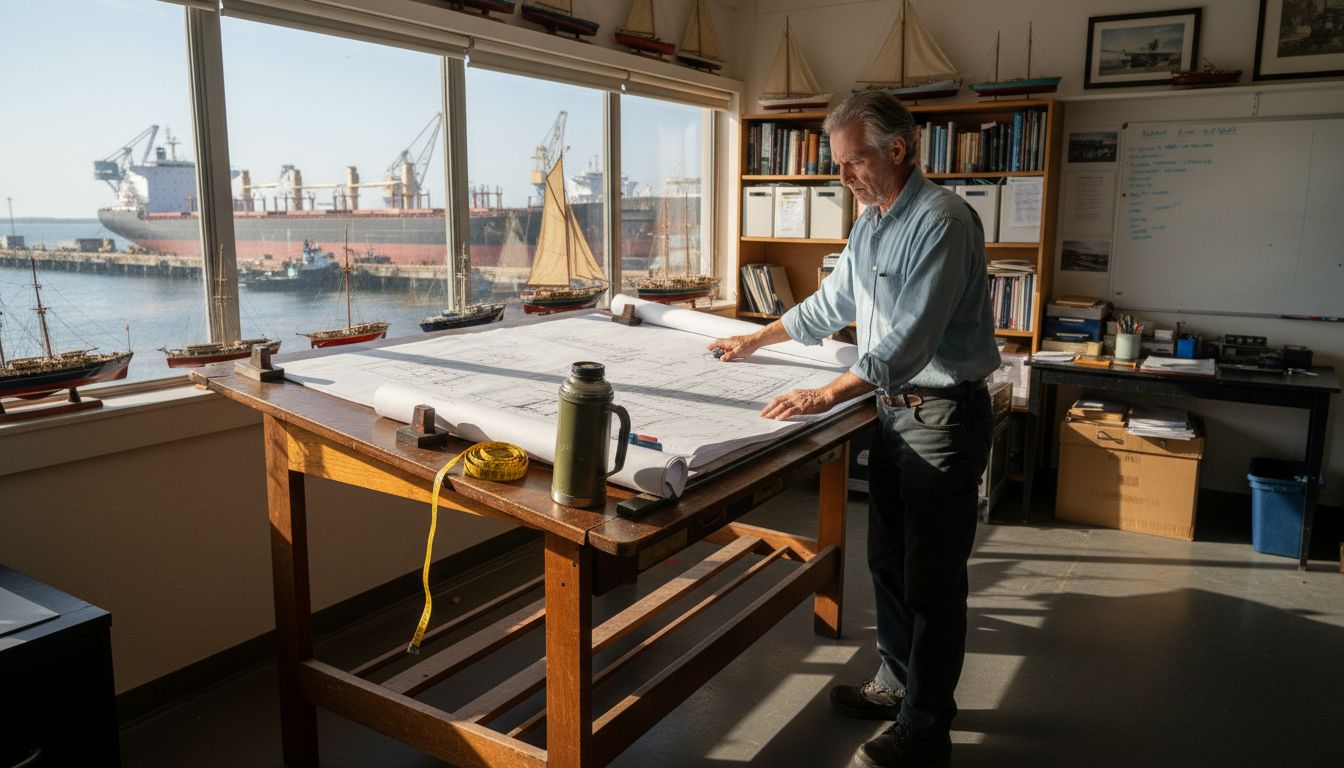
More than 80 percent of American shipbuilding projects rely on the expertise of designers to turn innovative concepts into seaworthy vessels. In the fast-paced world of naval architecture, the ability to blend creative vision with strict engineering requirements makes these professionals indispensable. Understanding how designers shape every detail of a vessel’s safety, efficiency, and appeal gives you powerful insight into the backbone of American maritime success.
Table of Contents
Key Takeaways
Point | Details |
Role of Designers | Naval architects and yacht designers bridge creativity and engineering, ensuring vessel performance and compliance with maritime regulations. |
Specializations in Design | Various naval design specializations, such as military, commercial, and luxury yacht design, require unique skills and focus areas. |
Importance of Collaboration | Effective collaboration with engineers and owners is essential for successful naval design, ensuring clear communication and project alignment. |
Focus on Regulatory Compliance | Designers must navigate complex legal and safety requirements, integrating them into innovative designs while ensuring operational safety. |
Defining the Designer’s Role in Shipbuilding
The naval architect and yacht designer represent the critical bridge between imaginative vision and functional maritime engineering. These professionals transform conceptual ideas into precise technical specifications that determine a vessel’s performance, safety, and aesthetic appeal. Naval design requires an intricate blend of technical expertise, creative problem solving, and deep understanding of maritime dynamics.
In shipbuilding, designers serve multiple essential functions that go far beyond simple aesthetic considerations. They analyze complex hydrodynamic principles, calculate structural integrity requirements, optimize fuel efficiency, and ensure regulatory compliance across multiple international maritime standards. Their work involves sophisticated computer modeling, computational fluid dynamics simulations, and advanced engineering calculations that predict how a vessel will perform under various maritime conditions.
Key responsibilities of yacht and naval designers include:
Developing comprehensive technical drawings and 3D digital models
Conducting structural and performance feasibility studies
Selecting appropriate materials for hull construction
Designing interior and exterior vessel layouts
Calculating weight distribution and stability parameters
Integrating advanced technological systems and navigation equipment
Pro Tip: Always collaborate closely with marine engineers and shipbuilders during the design process to ensure seamless translation of conceptual designs into functional maritime vessels.
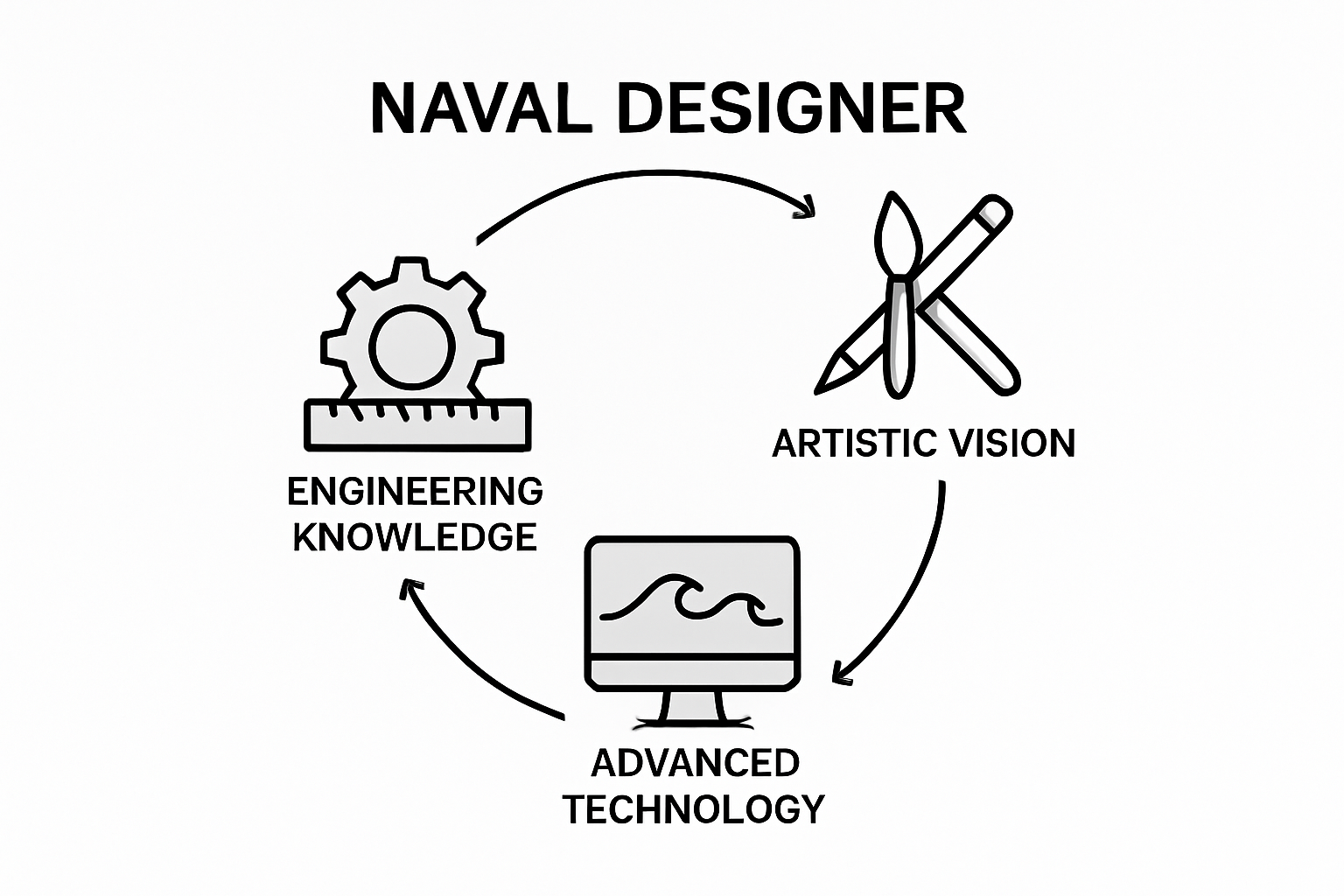
Successful designers must possess a multidisciplinary skill set that combines engineering knowledge, artistic vision, and technical precision. They must understand marine physics, structural mechanics, material science, and emerging technological innovations that can enhance vessel performance and sustainability. Their role is fundamentally about creating vessels that are not just transportation platforms but sophisticated engineering solutions tailored to specific maritime requirements.
Pro Design Strategy: Leverage advanced computational modeling tools to simulate and predict vessel behavior before physical construction begins, reducing potential design errors and optimizing overall maritime performance.
Types of Naval Design Specializations
Naval design represents a complex and dynamic field with multiple specialized domains that cater to different maritime requirements and technological innovations. Sustainable ship design has emerged as a critical specialization focusing on reducing environmental impact and developing eco-friendly maritime solutions. These specialized areas require designers to possess deep technical knowledge, creative problem solving skills, and an understanding of emerging technological trends.
The primary naval design specializations include:
Commercial Vessel Design: Creating cargo ships, tankers, and commercial maritime platforms
Military Maritime Design: Developing naval vessels, submarines, and defense-oriented watercraft
Luxury Yacht Design: Crafting high-end recreational vessels with advanced technological features
Autonomous Maritime Systems: Designing self-navigating vessels with integrated artificial intelligence
Offshore Engineering: Creating platforms for renewable energy and marine resource exploration
Research Vessel Design: Building specialized ships for scientific expeditions and marine research
Each specialization demands unique technical skills and understanding of specific maritime engineering principles. Commercial vessel designers must prioritize efficiency and cargo capacity, while military maritime designers focus on performance, stealth, and advanced technological integration. Luxury yacht designers blend aesthetic considerations with cutting-edge engineering, creating vessels that represent both technological marvel and artistic expression.
Here’s a comparison of major naval design specializations and their core focuses:
Specialization | Primary Focus | Typical Clients |
Commercial Vessel | Cargo efficiency and durability | Shipping companies |
Military Maritime | Advanced defense technology | Naval forces |
Luxury Yacht | High-end features and aesthetics | Private owners |
Autonomous Systems | Self-navigation and AI | Tech startups, defense |
Offshore Engineering | Energy platforms at sea | Energy firms |
Research Vessel | Scientific equipment integration | Research institutes |
Pro Tip: Develop cross-disciplinary skills by studying multiple naval design specializations to increase professional versatility and innovation potential.
Advanced naval design specializations are increasingly integrating emerging technologies like artificial intelligence, advanced materials science, and computational modeling. Designers must continuously update their skills to remain competitive in a rapidly evolving maritime engineering landscape. The future of naval design lies in creating vessels that are not just transportation platforms, but sophisticated, sustainable, and technologically advanced maritime solutions.
Pro Design Strategy: Invest in continuous learning and interdisciplinary training to stay ahead of technological innovations in naval design specializations.
Creative Processes in Yacht and Naval Architecture
Creative design in naval architecture represents a sophisticated blend of artistic vision, engineering precision, and technological innovation. Designers must navigate complex constraints while pushing the boundaries of maritime engineering. Emerging generative AI technologies are revolutionizing the creative design process, enabling naval architects to explore unprecedented design possibilities and rapidly prototype innovative vessel concepts.
The creative process in yacht and naval architecture typically involves multiple interconnected stages:
Conceptual Ideation: Developing initial design vision and creative concepts
Computational Modeling: Utilizing advanced software for digital design exploration
Performance Simulation: Running complex hydrodynamic and structural analyses
Material Selection: Choosing optimal materials for design requirements
Iterative Refinement: Continuously improving design through detailed modeling
Technological Integration: Incorporating cutting-edge maritime technologies
Advanced machine learning algorithms are expanding design exploration capabilities, allowing designers to generate and evaluate multiple design iterations simultaneously. These computational approaches enable more sophisticated optimization of hull forms, interior layouts, and technological integration, dramatically reducing traditional design development timelines.
Pro Tip: Embrace digital prototyping tools and machine learning technologies to accelerate design exploration and reduce physical prototype development costs.
Successful naval architects must balance technical constraints with creative imagination. They must understand complex maritime engineering principles while maintaining the artistic vision that transforms vessels from mere transportation platforms into extraordinary maritime experiences. The most innovative designs emerge from a harmonious integration of technological capability, aesthetic sensibility, and deep understanding of maritime dynamics.
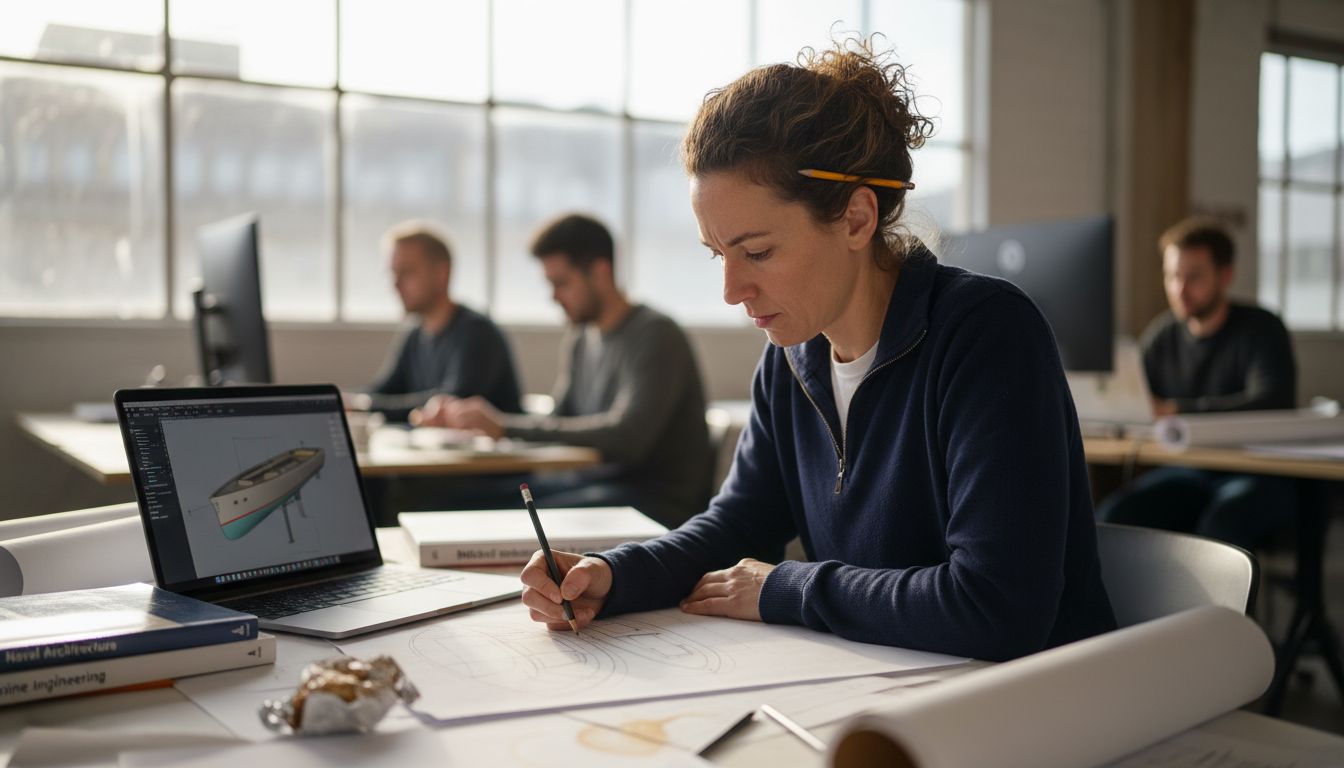
Pro Design Strategy: Develop a multidisciplinary skill set that combines computational modeling expertise, engineering knowledge, and creative problem solving to remain competitive in the evolving naval design landscape.
Designer Collaboration With Engineers and Owners
Collaborative design represents the critical backbone of successful naval architecture and yacht development. Naval architects must work closely with engineers and ship owners to convert functional requirements into effective, workable vessel designs, balancing technical constraints with client expectations and operational requirements. This intricate process demands exceptional communication skills, technical expertise, and a deep understanding of maritime engineering principles.
The collaborative process typically involves multiple critical interaction points:
Initial Conceptual Discussions: Defining project scope and client objectives
Technical Feasibility Assessment: Evaluating design possibilities and technical limitations
Performance Requirements Analysis: Determining specific operational parameters
Material and Technology Selection: Choosing optimal design solutions
Cost and Budget Alignment: Balancing design aspirations with financial constraints
Iterative Design Refinement: Continuous improvement through multidisciplinary feedback
Engineering technology programs emphasize the importance of integrated collaboration between designers, engineers, and owners to address complex industry challenges. Successful collaboration requires designers to translate complex technical concepts into understandable language, bridging communication gaps between technical specialists and project stakeholders.
Key collaboration stages in naval design and their typical outcomes:
Collaboration Stage | Main Participants | Outcome |
Conceptual Discussion | Designers, Owners | Defined vision and goals |
Technical Feasibility | Designers, Engineers | Practical design options |
Budget Alignment | Designers, Owners, Financiers | Approved financial plan |
Design Refinement | Multidisciplinary Team | Optimized vessel solution |
Pro Tip: Develop robust communication skills and learn to translate technical concepts into clear, accessible language for non-technical stakeholders.
Modern naval design collaboration extends beyond traditional boundaries, incorporating advanced digital communication tools, real-time modeling platforms, and collaborative software environments. Designers must be adaptable, technologically proficient, and capable of managing complex multidisciplinary teams while maintaining the creative vision that transforms conceptual ideas into remarkable maritime vessels.
Pro Design Strategy: Invest in advanced communication and project management skills to effectively coordinate complex maritime design projects across multiple professional disciplines.
Responsibilities, Challenges, and Legal Compliance
Legal compliance represents a critical foundation in naval architecture, requiring designers to navigate complex regulatory landscapes while maintaining technical excellence. Naval architects must design complex systems while adhering to stringent legal and safety regulations, balancing innovative design with rigorous operational standards across multiple maritime jurisdictions.
Key responsibilities and compliance areas include:
International Maritime Regulations: Ensuring vessel meets global safety standards
Environmental Protection Guidelines: Minimizing ecological impact of maritime designs
Structural Integrity Certification: Guaranteeing vessel performance and safety
Risk Management Protocols: Identifying and mitigating potential operational hazards
Technical Documentation: Maintaining comprehensive design and performance records
Classification Society Requirements: Meeting industry-specific technical standards
Naval architects face multiple complex challenges that extend beyond technical design considerations. They must continuously update their knowledge of evolving maritime regulations, technological innovations, and international safety protocols. This requires a multidisciplinary approach that combines engineering expertise, legal understanding, and proactive risk management strategies.
Pro Tip: Develop a comprehensive compliance checklist for each design project, incorporating international maritime regulations and industry-specific safety standards.
Successful naval architects must demonstrate exceptional attention to detail, understanding that even minor design variations can have significant legal and operational implications. They serve as critical intermediaries between creative design vision, technical feasibility, and strict regulatory compliance, ensuring that every vessel represents a harmonious blend of innovation, safety, and legal adherence.
Pro Design Strategy: Invest in continuous professional development focused on emerging maritime regulations and technological compliance standards to maintain a competitive edge in naval architecture.
Elevate Your Naval Project with Expert Designer Collaboration
Navigating the complex challenges of naval design requires a partner who understands the intricate balance between creative vision, technical precision, and strict regulatory compliance. This article highlights the vital role of designers in shaping innovative maritime vessels that meet performance, safety, and aesthetic goals. If you are seeking to transform your yacht or naval project with bespoke design solutions that incorporate patented innovations like fold-down transoms and advanced material selection, look no further than Opalinski Design House.
Discover how our studio’s industry-leading expertise and commitment to cutting-edge naval architecture can bring your vision to life with sustainable, technologically advanced designs tailored for luxury yachting. Don’t miss the opportunity to collaborate with designers who excel in translating complex operational requirements into stunning, functional results. Visit Opalinski Design House today and take the first step toward creating a masterpiece on the water. Request your personalized quote now and experience the future of yacht innovation.
Frequently Asked Questions
What is the primary role of a designer in naval projects?
The primary role of a designer in naval projects is to bridge the gap between imaginative concepts and technical engineering by creating precise designs that ensure a vessel’s performance, safety, and aesthetic appeal.
How do designers ensure compliance with maritime regulations during the design process?
Designers ensure compliance with maritime regulations by staying updated on international standards and certifications, as well as incorporating safety guidelines into their designs to meet legal requirements.
What skills are essential for successful yacht and naval designers?
Successful yacht and naval designers need a multidisciplinary skill set that includes engineering knowledge, artistic vision, proficiency in computational modeling, and an understanding of maritime dynamics and environmental concerns.
What are some challenges faced by designers in naval architecture?
Designers in naval architecture face challenges such as navigating complex regulatory landscapes, ensuring structural integrity, optimizing vessel performance, and incorporating advanced technologies while maintaining creativity.
Recommended
Comments