
Role of Naval Architecture: Shaping Luxurious Yachting
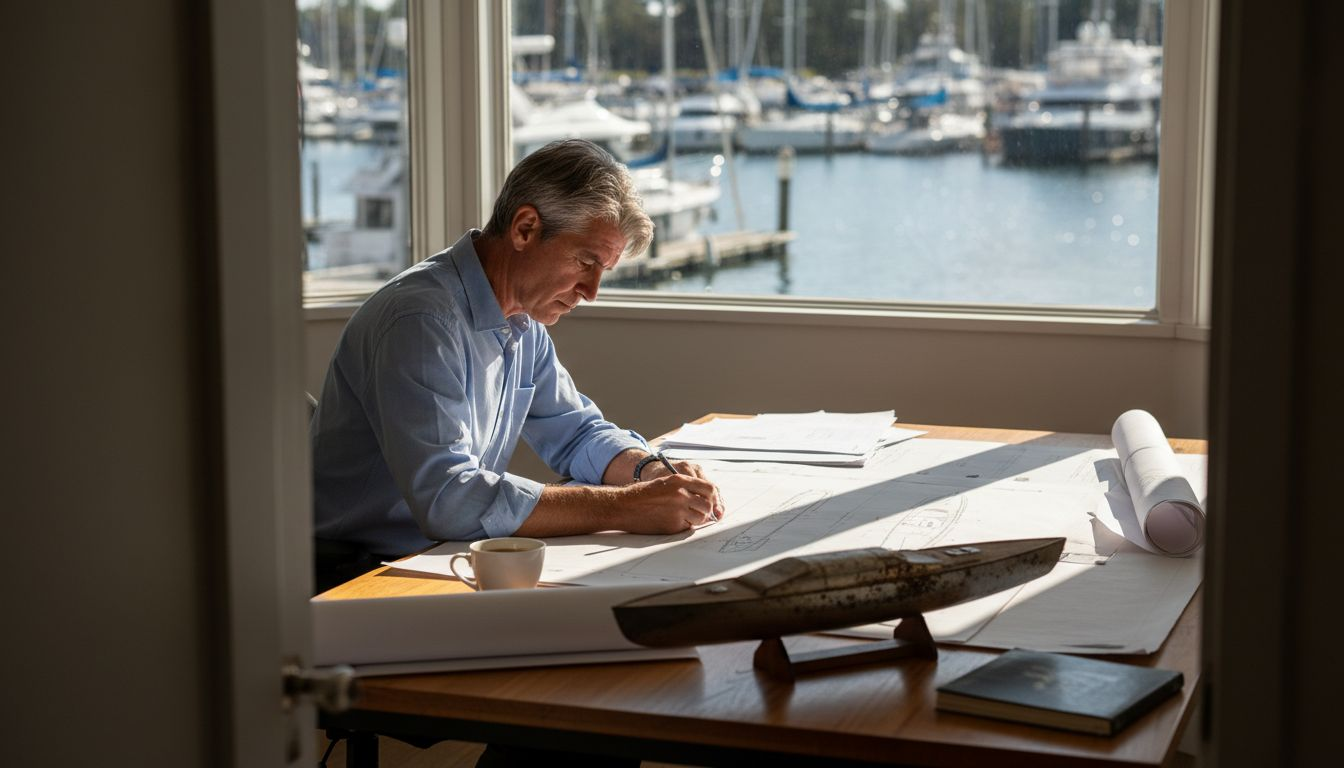
Few fields balance art and engineering quite like naval architecture, where every American yacht on the water is a testament to cutting-edge science and creativity. Whether dreaming of launching your own vessel or simply fascinated by the craft, understanding the principles behind these floating marvels matters. With over 90 percent of new luxury yachts relying on advanced design techniques, this article breaks down how naval architecture shapes every detail, from performance to prestige.
Table of Contents
Key Takeaways
Point | Details |
Importance of Naval Architects | Engaging specialized naval architects is crucial for transforming yacht concepts into functional, high-performance vessels. |
Integration of Disciplines | Successful yacht design blends hydrodynamics, structural engineering, and materials science to optimize performance and safety. |
Role of Advanced Technologies | Utilizing computational modeling and advanced materials enhances design precision, sustainability, and efficiency in luxury yachts. |
Safety and Compliance Responsibilities | Yacht owners must navigate complex regulations and adopt comprehensive safety protocols to ensure maritime safety and compliance. |
Defining Naval Architecture in Yachting
Naval architecture represents a sophisticated engineering discipline focused on designing marine vessels with precision and technological expertise. Naval architects are professional engineers who craft intricate designs for watercraft, transforming conceptual blueprints into seaworthy masterpieces that blend technical complexity with aesthetic elegance.
In the specialized realm of yacht design, naval architects synthesize multiple disciplines including hydrodynamics, structural engineering, and advanced materials science. Their work transcends mere aesthetic considerations, requiring deep understanding of fluid dynamics, weight distribution, stability calculations, and performance optimization. A successful yacht design demands careful mathematical modeling to ensure vessels can navigate diverse maritime conditions while maintaining structural integrity and passenger comfort.
The core responsibilities of naval architects in yachting encompass several critical domains. These include hull design, which determines a vessel’s efficiency and handling characteristics, propulsion system integration, weight management, and structural engineering. Advanced computational tools now allow naval architects to simulate complex marine environments, predicting vessel behavior under varied conditions and refining designs before physical construction begins. By leveraging sophisticated software and extensive maritime engineering knowledge, these professionals transform conceptual visions into technologically advanced, luxurious marine platforms.
Here is a summary of the main disciplines integrated into modern yacht design and their distinct impact:
Discipline | Core Focus | Impact on Yacht Design |
Hydrodynamics | Water flow & resistance | Influences speed, stability, efficiency |
Structural Engineering | Vessel strength & integrity | Ensures safety, durability, compliance |
Materials Science | Advanced material use | Reduces weight, boosts performance |
Computational Modeling | Design simulation & analysis | Predicts real-world behavior, minimizes risks |
Pro Tip: Always consult specialized naval architecture professionals when planning a custom yacht project, as their expertise can transform a simple vessel concept into an extraordinary maritime experience.
Core Principles Shaping Yacht Design
The art of yacht design hinges on a complex interplay of technical precision and creative vision. Naval architects apply fundamental engineering principles to transform conceptual designs into functional, high-performance marine vessels that seamlessly blend technological innovation with aesthetic sophistication.
At the core of yacht design lie several critical principles that determine a vessel’s performance, safety, and overall functionality. Hull geometry plays a pivotal role, with designers meticulously calculating dimensions to optimize speed, stability, and fuel efficiency. Weight distribution becomes a critical mathematical challenge, requiring naval architects to balance structural elements, onboard systems, and potential passenger loads to ensure optimal maritime performance. Advanced computational modeling enables precise simulations that predict vessel behavior under diverse oceanic conditions.
Yacht design innovations integrate multiple engineering disciplines, including hydrodynamics, materials science, and structural mechanics. Modern naval architects must consider complex variables such as wave interaction, wind resistance, and propulsion system efficiency. Cutting-edge materials like carbon fiber composites and advanced aluminum alloys allow designers to create lighter, stronger vessels that push the boundaries of maritime engineering while maintaining exceptional performance standards.
Pro Tip: Prioritize comprehensive performance simulations during early design stages to identify potential structural and operational challenges before physical prototype development.
Innovations Transforming Luxury Yacht Engineering
Luxury yacht engineering has undergone a revolutionary transformation, driven by groundbreaking technological advancements that redefine maritime design and performance. Hybrid propulsion technologies represent a pivotal breakthrough, enabling yacht designers to create more environmentally conscious and efficient marine vessels that combine traditional engineering with cutting-edge sustainable solutions.

The integration of advanced materials science has dramatically reshaped yacht construction methodologies. Carbon fiber composites, advanced aluminum alloys, and sophisticated polymer technologies now enable naval architects to develop lighter, stronger, and more aerodynamic vessel structures. These innovative materials allow for unprecedented design flexibility, reducing overall vessel weight while maintaining structural integrity and enhancing performance characteristics such as speed, fuel efficiency, and maneuverability.
Naval architecture best practices now incorporate sophisticated computational modeling and simulation technologies that transform conceptual designs into precision-engineered marine platforms. Advanced software enables real-time performance predictions, allowing designers to optimize hull geometries, analyze potential structural stress points, and simulate complex maritime environmental interactions before physical prototype development. This digital engineering approach minimizes potential design challenges and accelerates the innovation cycle in luxury yacht engineering.
Pro Tip: Always collaborate with multidisciplinary engineering teams that combine expertise in materials science, computational modeling, and maritime design to push the boundaries of yacht innovation.
Advanced Materials and Environmental Impact
The luxury yacht industry stands at a critical intersection of technological innovation and environmental responsibility, with advanced materials playing a pivotal role in reducing maritime ecological footprints. Hybrid powerboat design innovations demonstrate how cutting-edge engineering can simultaneously address performance requirements and sustainability challenges, creating vessels that minimize environmental impact without compromising luxurious experiences.
Carbon fiber composites, recycled marine-grade polymers, and advanced lightweight alloys represent the forefront of environmentally conscious yacht construction. These materials offer unprecedented advantages: dramatic weight reduction, enhanced fuel efficiency, and significantly lower carbon emissions compared to traditional boat-building approaches. Naval architects now prioritize material selection that balances structural integrity, performance characteristics, and ecological considerations, developing yacht designs that can withstand extreme maritime conditions while maintaining a minimal environmental footprint.
Yacht design workflow now integrates comprehensive lifecycle assessment methodologies, analyzing the environmental impact of materials from extraction through manufacturing and eventual disposal. Advanced computational modeling enables designers to simulate and optimize material selections, predicting long-term sustainability metrics and potential ecological consequences. This holistic approach transforms yacht engineering from a purely performance-driven discipline to a nuanced field that considers broader environmental responsibilities.
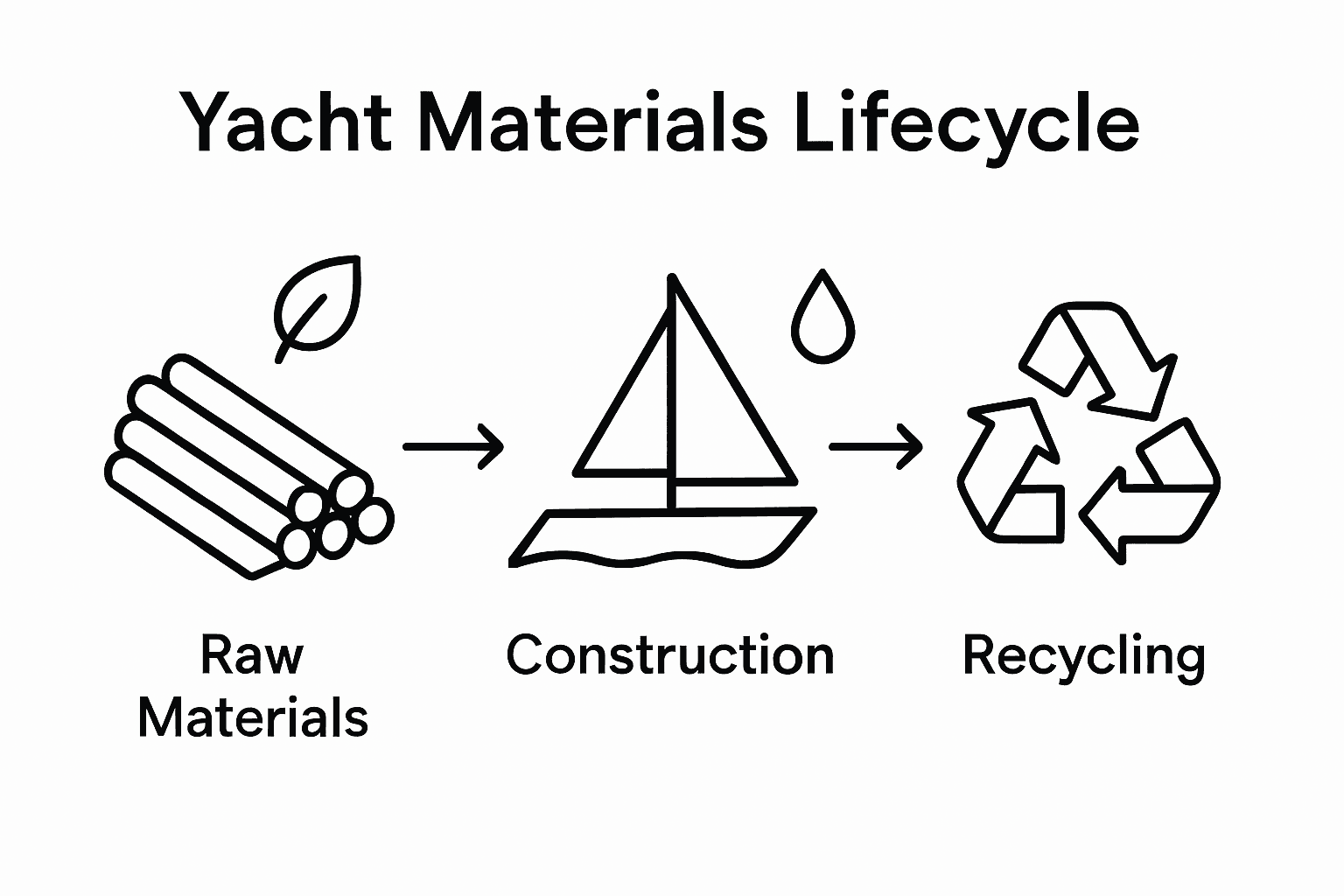
The table below highlights recent technological innovations and their benefits in luxury yacht engineering:
Innovation | Description | Engineering Benefit |
Hybrid Propulsion | Combines electric and diesel power | Cuts emissions, improves efficiency |
Carbon Fiber Composites | Lightweight, strong advanced material | Enables larger, faster yachts |
Advanced Aluminum Alloys | High-performance metal for hulls | Boosts corrosion resistance, reduces weight |
Lifecycle Assessment | Environmental impact measurement | Drives sustainability & responsibility |
Pro Tip: Prioritize materials with verifiable sustainability credentials and engage naval architects who demonstrate a comprehensive understanding of ecological engineering principles.
Safety, Compliance, and Owner Responsibilities
Luxury yacht ownership extends far beyond aesthetic appreciation, encompassing critical responsibilities that ensure maritime safety and regulatory compliance. Naval architects play a pivotal role in establishing comprehensive safety protocols that protect vessel occupants, crew members, and the surrounding marine environment through meticulous design and engineering standards.
The complex landscape of maritime regulations requires yacht owners to navigate intricate legal frameworks spanning international maritime laws, classification society requirements, and flag state regulations. Safety certification involves rigorous processes including structural integrity assessments, emergency system evaluations, navigational equipment verifications, and comprehensive risk management strategies. Advanced computational modeling and simulation technologies now enable naval architects to predict potential operational vulnerabilities and design proactive mitigation approaches that exceed standard regulatory expectations.
Naval architecture best practices emphasize a holistic approach to vessel safety that integrates cutting-edge technological solutions with human-centered design principles. This approach requires continuous collaboration between yacht owners, naval architects, marine engineers, and regulatory experts to maintain the highest standards of maritime safety. Critical considerations include emergency response systems, structural redundancy, advanced navigation technologies, and comprehensive crew training protocols that transform safety from a theoretical concept to a practical, implementable strategy.
Pro Tip: Engage an independent maritime safety consultant during the yacht design and procurement process to conduct comprehensive risk assessments and ensure full regulatory compliance across international jurisdictions.
Elevate Your Yacht Experience with Expert Naval Architecture
The article highlights the intricate challenges faced in modern yacht design such as optimizing hull geometry, integrating advanced materials, and ensuring environmental sustainability while maintaining luxury and safety. If you seek to transform these complex principles into a stunning, high-performance yacht tailored to your vision, explore the cutting-edge solutions offered by Opalinski Design House. Their expertise in innovative naval architecture and patented technology like fold-down transoms directly addresses the need for customized, sustainable, and technologically advanced vessels.
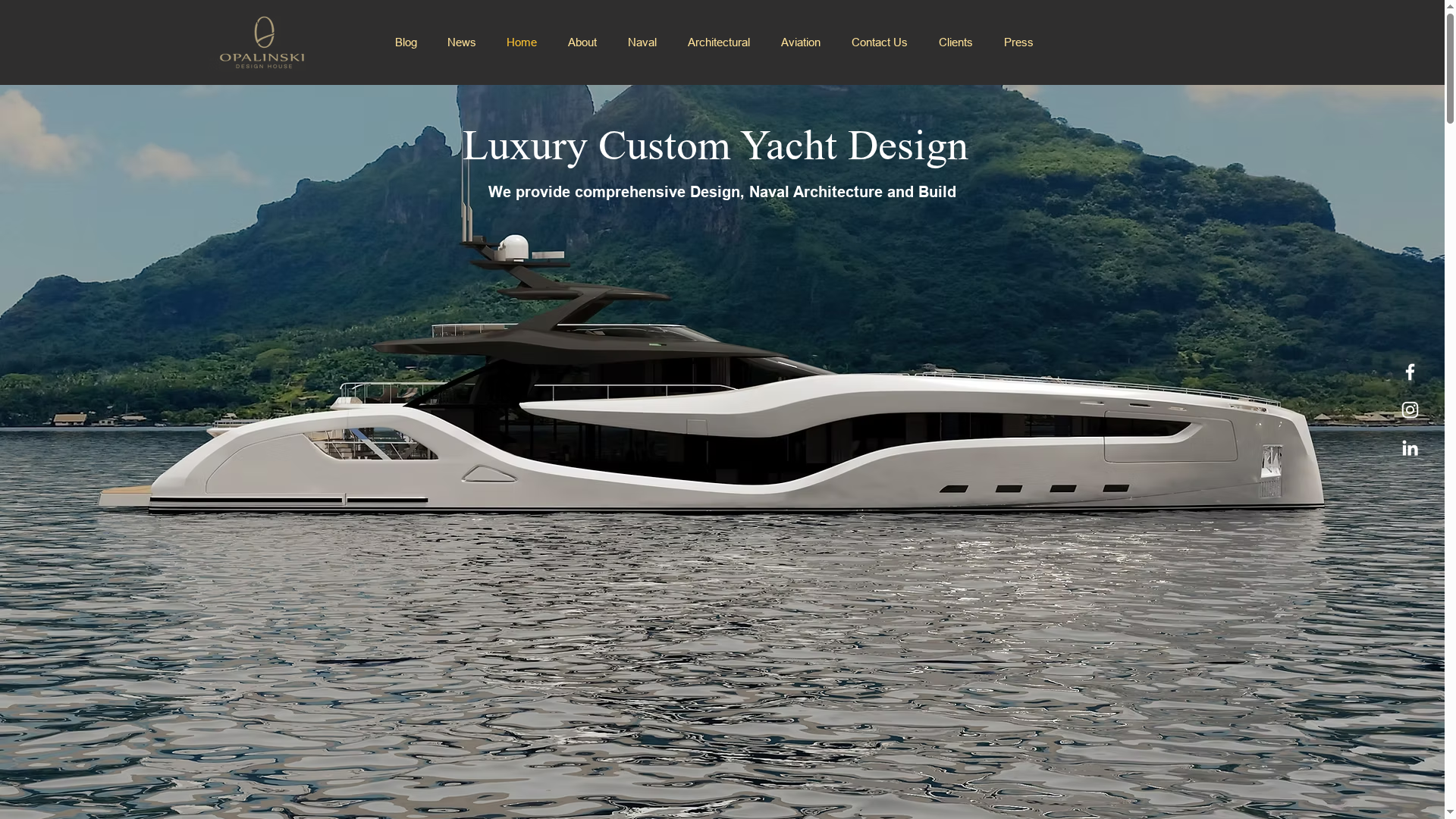
Unlock unparalleled craftsmanship and precision engineering for your next yacht project. Visit Opalinski Design House to discover how their multidisciplinary team combines creativity, advanced computational modeling, and eco-conscious materials to bring your dream yacht to life. Contact them today for a personalized quote and step confidently into a future where luxury meets cutting-edge naval architecture.
Frequently Asked Questions
What is the primary role of naval architects in yacht design?
Naval architects are responsible for designing marine vessels, ensuring they meet safety, performance, and aesthetic standards while integrating multiple engineering disciplines such as hydrodynamics and structural engineering.
How do advanced materials impact luxury yacht construction?
Advanced materials like carbon fiber composites and aluminum alloys reduce weight and improve fuel efficiency, allowing for the creation of lighter, stronger, and more aerodynamic yacht designs that enhance overall performance.
Why is hydrodynamics important in yacht design?
Hydrodynamics influences a yacht’s speed, stability, and fuel efficiency by determining how water flows around the vessel, making it crucial for optimizing hull designs and overall vessel performance.
What factors should yacht owners consider for safety compliance?
Yacht owners must navigate maritime regulations, ensuring compliance with safety certifications, structural integrity assessments, and emergency system evaluations, while working closely with naval architects and regulatory experts.
Recommended
Comments