
What Is a Yacht Portfolio and Why It Matters

Sifting through countless yacht options can feel overwhelming when your goal is a purposeful, world-class fleet. For discerning owners, a yacht portfolio is more than a collection—it is a strategic arrangement where every vessel serves a clear role tied to your lifestyle and destinations, from the Caribbean to the Mediterranean. By weaving advanced design features with compliance to international standards, your portfolio becomes a statement of intent and financial acumen, delivering the balance of adventure, safety, and lasting value your maritime vision demands.
Table of Contents
Key Takeaways
Point | Details |
Yacht Portfolio Strategy | A well-defined yacht portfolio aligns vessels with ownership goals and operational needs, enhancing both enjoyment and financial performance. |
Compliance and Safety | Maintaining compliance with international regulations is crucial for asset protection and ensuring safe operations across the fleet. |
Cost Management | Understand ongoing operational costs, estimating 8-15% of the vessel’s purchase price annually to avoid financial strain. |
Documentation and Management | Centralized record-keeping and proactive compliance tracking are essential to prevent costly surprises and ensure smooth operations. |
Defining a Yacht Portfolio and Its Purpose
A yacht portfolio is your curated collection of vessels selected to match your ownership goals, lifestyle requirements, and long-term maritime vision. This isn’t simply owning multiple yachts. It’s a strategic approach to vessel ownership where each boat serves a distinct purpose aligned with how you use the water, where you cruise, and what experiences matter most to you. Whether you’re managing vessels for pleasure cruising, seasonal racing, or extended Mediterranean exploration, your portfolio represents a deliberate plan rather than a random accumulation.
The core purpose of a yacht portfolio centers on three interconnected objectives. First, it allows you to maintain compliance with international regulations and safety standards that govern different vessel classes and uses. Second, it enables you to optimize your assets by matching specific boats to specific missions. A 45-meter exploration yacht serves fundamentally different needs than a 28-meter performance cruiser, and your portfolio acknowledges these distinctions. Third, strategic portfolio management addresses the practical reality that international statutory regulations such as MCA, SOLAS, MARPOL, and Load Line conventions require different compliance frameworks depending on vessel size, intended use, and operating region. Your portfolio structure must account for these varying requirements across each vessel you own.
Many successful yacht owners approach their portfolios like real estate investors approach property. You might own a flagship vessel for extended family cruising, a high-performance day boat for entertaining clients in Monaco, and a specialized expedition yacht for polar exploration. Each addresses specific operational needs while maintaining distinct compliance profiles. The strategic dimension becomes apparent when you realize that vessel types and specifications directly impact design decisions around construction, performance characteristics, and overall value retention. This is why working with experienced naval architects during portfolio planning proves invaluable—they understand how to structure your collection so each vessel maintains maximum capability and resale value while meeting your exact requirements.
Your portfolio also serves as a financial planning tool. Different vessels appreciate or depreciate based on condition, market demand, design innovations, and regulatory changes. A thoughtfully constructed portfolio includes vessels at different lifecycle stages, reducing your exposure to market volatility and ensuring liquidity when opportunities emerge. The documentation and certification requirements for your entire fleet demand systematic management across all vessels, which is why many portfolio owners implement centralized tracking systems for surveys, maintenance records, and regulatory compliance status.
Pro tip: Start your portfolio planning by documenting the specific uses and destinations for each vessel you’re considering, then work with naval architects and compliance specialists to ensure each boat’s design, certification, and compliance structure supports those exact operational profiles.
Types of Yacht Portfolios and Their Uses
Yacht portfolios come in distinct categories, each serving fundamentally different ownership objectives and operational requirements. Understanding these types helps you structure your collection strategically rather than acquiring vessels haphazardly. The structure of your portfolio depends entirely on how you plan to use your yachts, where you’ll cruise, and what experiences matter most to your family or business.
The cruising portfolio focuses on extended voyages and lifestyle exploration. These collections typically include vessels designed for comfort, range, and self-sufficiency rather than speed. A cruising-focused owner might maintain a 50-meter displacement hull for extended ocean passages, paired with a smaller 35-meter vessel for shallow-draft exploration of Mediterranean anchorages and Caribbean islands. Both boats prioritize fuel efficiency, robust navigation systems, and accommodations that support weeks or months away from ports. This approach appeals to serious explorers who spend significant time aboard and value the journey as much as the destination. Another variation combines a flagship cruiser with tender support vessels, allowing you to access remote locations while maintaining comfort and security.
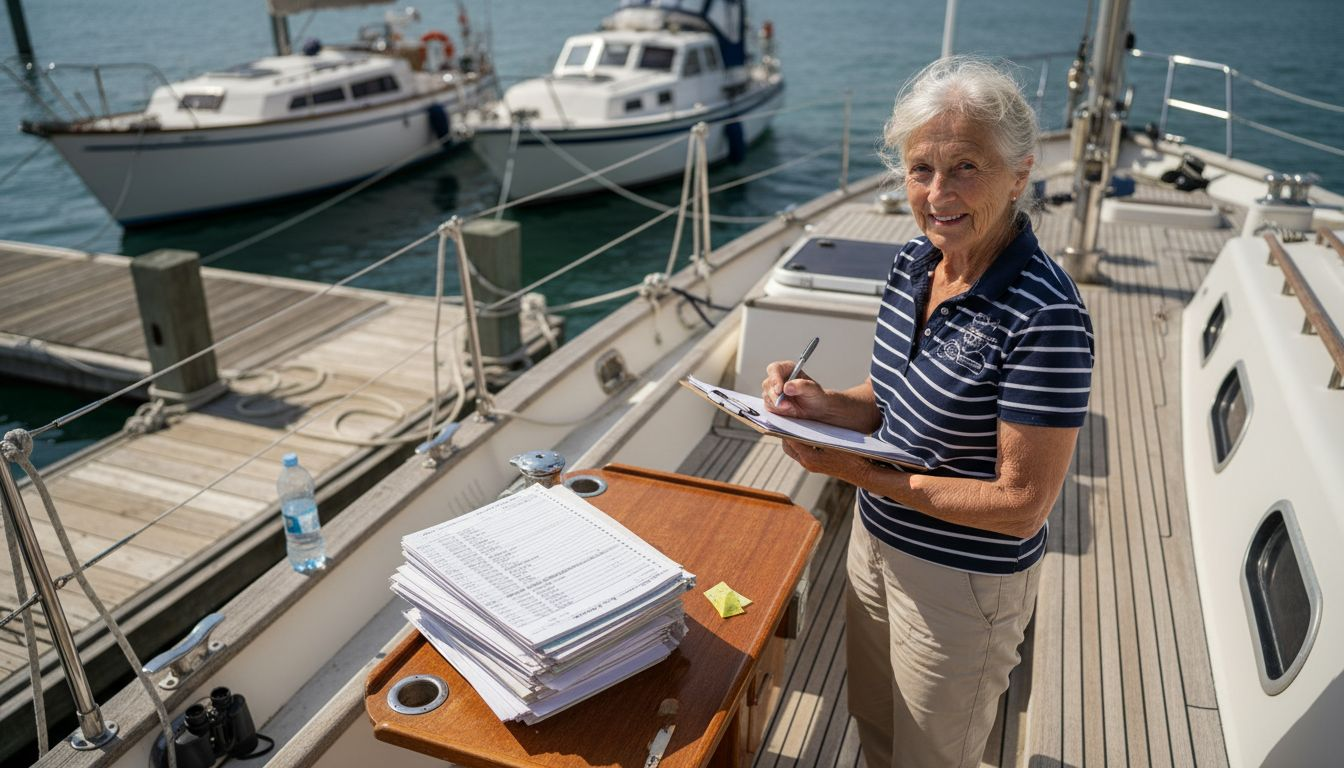
The racing and performance portfolio emphasizes speed, agility, and competitive capability. Owners in this category maintain multiple sailing classes and design types optimized for different racing conditions and competitive levels. You might own an Olympic-class racing yacht for serious competition, a performance cruiser for weekend regattas, and a high-speed day boat for entertaining clients during major events like Monaco or the Caribbean racing season. These vessels prioritize lightweight construction, advanced rigging systems, and cutting-edge hull designs that demand regular maintenance and crew expertise. Racing portfolios require deeper knowledge of performance tuning and attract owners who view yacht ownership as an active sporting pursuit rather than passive leisure.
The charter and commercial portfolio generates income while maintaining asset value. This type includes vessels configured for guest accommodations and managed through professional charter companies. Rather than using your boats exclusively for personal enjoyment, you rent them when not in use, offsetting operational costs while building equity. These portfolios typically feature multiple vessels at different price points, from luxury expedition yachts to performance cruisers, allowing you to serve different market segments. The variety within sailing and motor yacht designs supports this diversification strategy perfectly, as each vessel type attracts distinct clientele with different expectations and budgets.
The hybrid portfolio combines elements from all three approaches. Perhaps you maintain one flagship vessel for extended personal cruising, a second boat configured for charter income generation, and a third high-performance vessel for competitive sailing or entertaining business associates. This balanced approach maximizes flexibility and reduces financial risk by spreading usage across multiple purposes. Sophisticated owners often discover that this hybrid structure delivers the most sustainable long-term value, as it maintains vessel utilization rates, spreads wear across your fleet, and ensures each boat serves a clear economic purpose.
Pro tip: Define your primary portfolio purpose first (cruising, racing, or income generation), then identify one or two supporting vessels that enhance that core mission rather than competing with it, ensuring coherent fleet management and maximum utility across all your assets.
Here’s a concise comparison of yacht portfolio types and their strategic benefits:
Portfolio Type | Primary Focus | Operational Strength | Financial Benefit |
Cruising Portfolio | Extended lifestyle travel | Long-range comfort | Prolonged utility, high flexibility |
Racing & Performance | Competitive yachting | Speed optimization | Entry into exclusive events |
Charter & Commercial | Revenue generation | Guest accommodations | Income during idle periods |
Hybrid Portfolio | Mixed objectives | Versatile deployment | Risk reduction and utilization |
Key Features and Strategic Advantages
A well-constructed yacht portfolio delivers tangible advantages that extend far beyond the pleasure of vessel ownership. The strategic benefits emerge when you align specific design features, compliance standards, and operational capabilities with your ownership objectives. These advantages compound over time, creating resilience in your maritime assets while maximizing enjoyment and financial performance.
One fundamental advantage centers on regulatory compliance and safety certifications. When you maintain vessels that meet international classification and safety standards, you protect your investment through documented compliance with worldwide maritime regulations. These certifications ensure your fleet maintains commercial value, facilitates insurance underwriting, and enables stress-free charter operations if you decide to generate income from your vessels. Beyond paperwork, proper classification means your yachts undergo rigorous third-party inspections that identify structural issues before they become expensive problems. You avoid the costly surprises that plague improperly maintained vessels and gain confidence that your fleet meets the highest safety benchmarks recognized globally.
Design diversity within your portfolio creates operational flexibility that single-vessel ownership cannot match. The strategic advantage here involves matching specific design features to intended uses. A racing-focused vessel demands lightweight construction, sophisticated sail plans, and performance-oriented rigging that would feel excessive on a long-distance cruiser. Conversely, extended cruising benefits from robust hulls, fuel-efficient displacement designs, and accommodation priorities that racing yachts deliberately sacrifice for speed. Understanding these fundamental differences between cruising and racing yacht designs allows you to select vessels optimized for their intended purpose rather than settling for compromise solutions. This strategic diversity means you never sacrifice comfort when cruising or performance when racing.
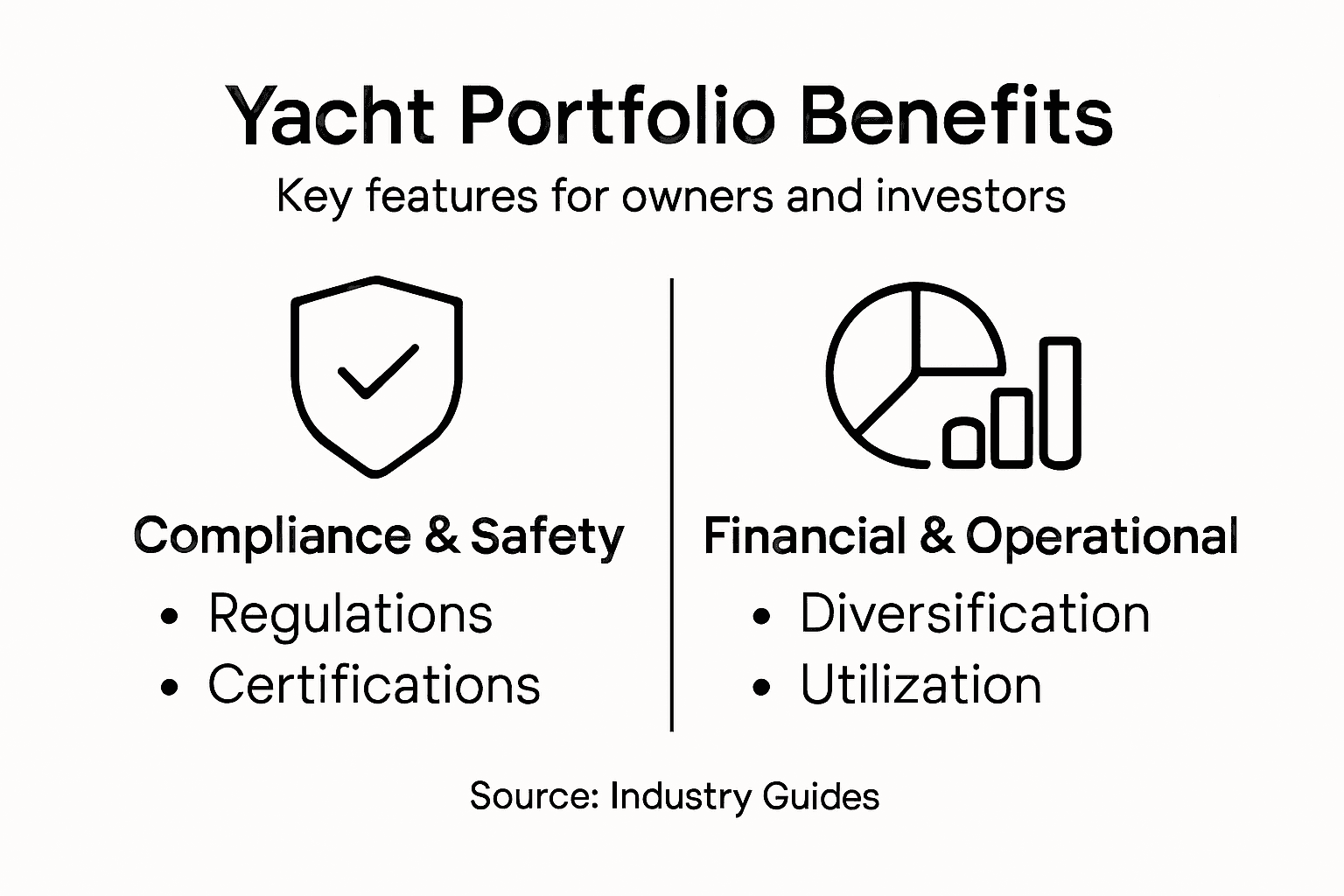
Your portfolio also provides significant financial leverage through asset diversification and utilization optimization. Different vessels serve different seasons, market conditions, and business purposes. A charter-configured yacht generates income during peak season while you cruise your personal flagship. If market conditions shift, you maintain optionality across multiple asset classes rather than being locked into a single vessel’s performance. Portfolio owners also experience reduced operational strain by rotating vessels strategically, extending useful life while managing crew fatigue and maintenance cycles. The combined strategic advantages of compliance, design optimization, and financial flexibility create a resilient ownership structure that adapts to changing circumstances while delivering consistent value.
Pro tip: Ensure every vessel in your portfolio maintains current international classification and safety certifications, then cross-reference each boat’s specific design features against your documented use case to confirm optimal alignment between what each yacht offers and what you actually need it to deliver.
Managing, Upgrading, and Compliance Essentials
Managing a yacht portfolio requires systematic attention to compliance schedules, maintenance protocols, and strategic upgrades that keep your fleet operating safely and legally across international waters. This isn’t a set-it-and-forget-it endeavor. Each vessel demands proactive planning around statutory inspections, classification surveys, and regulatory updates that vary by vessel size, flag state, and intended use. Successful portfolio managers treat compliance as a continuous operational cycle rather than occasional reactive maintenance.
The foundation of effective portfolio management centers on understanding your vessels’ survey schedules and regulatory frameworks. Statutory surveys for yachts follow fixed timelines based on classification type, vessel age, and intended trading patterns. Initial surveys establish baseline compliance, intermediate surveys verify ongoing fitness, and renewal surveys confirm vessels meet current standards. For yachts 24 meters and above, safety, pollution prevention, and operational standards demand rigorous documentation and regular third-party inspections. Many portfolio owners implement digital tracking systems that flag upcoming survey deadlines months in advance, allowing time for pre-survey maintenance and scheduling coordination across their fleet. This proactive approach prevents emergency compliance situations that disrupt your cruising plans or charter operations.
Upgrading your portfolio strategically maintains competitive advantage and operational efficiency. Rather than waiting for systems to fail, sophisticated owners plan phased upgrades aligned with survey cycles. Navigation systems become outdated faster than hull structures, so upgrading electronics during scheduled surveys makes economic sense. Modern stabilization technology, advanced propulsion systems, and innovative design features like fold-down transoms can be incorporated during major refits, extending vessel capability while you address compliance requirements. The cost-effectiveness improves dramatically when coordinating upgrades with mandatory survey periods, as shipyards are already mobilized and your vessel is already out of water. Document all upgrades meticulously, as they become part of your vessel’s official record and support future insurance and charter valuations.
Effective portfolio management also demands clear documentation protocols across your entire fleet. Maintain centralized records of survey certificates, classification documents, maintenance logs, and upgrade certifications for every vessel. This documentation proves invaluable when selling vessels, pursuing insurance claims, or responding to regulatory inquiries. Portfolio managers often designate a single point of contact responsible for compliance tracking across all vessels, preventing the fragmentation that leads to missed deadlines or duplicate efforts. Regular communication with your classification societies and flag state administrators keeps you informed about regulatory changes before they become compliance emergencies.
Pro tip: Create a master compliance calendar mapping survey due dates, maintenance windows, and upgrade opportunities for your entire fleet across the next 36 months, then schedule quarterly reviews to adjust plans based on vessel usage patterns and regulatory updates.
Risks, Costs, Taxes, and Common Pitfalls
Yacht portfolio ownership carries substantial financial commitments and operational complexities that catch many first-time owners off guard. Understanding these realities upfront allows you to plan strategically rather than discovering hidden costs after purchase. The difference between thriving portfolio owners and those who struggle often comes down to realistic cost projections and honest risk assessment before acquiring vessels.
Operational costs represent the most significant ongoing expense in portfolio management. Budget for annual maintenance and upkeep costs of 8-15 percent of your vessel’s purchase price every single year. This covers routine maintenance, parts replacement, crew salaries, insurance, fuel, and compliance-related expenses. For a 50-meter yacht purchased at $25 million, you’re looking at $2 million to $3.75 million annually just for basic operation. Fuel alone can consume $300,000 to $500,000 per year depending on your cruising patterns and engine efficiency. Insurance premiums typically run $150,000 to $300,000 annually for vessels of this size. Many owners underestimate these figures, assuming their specific situation will cost less, then face financial strain when unexpected repairs or regulatory upgrades become necessary.
Tax implications vary dramatically depending on your flag state, residency, and portfolio structure. Some jurisdictions impose annual registration taxes, while others tax the transfer of vessels between owners. Certain locations assess wealth taxes on yachts valued above specific thresholds. Income taxes apply if you generate charter revenue from your portfolio. The complexity intensifies when you own vessels registered in different countries under different ownership structures. Professional tax and legal counsel becomes essential, not optional. Many portfolio owners discover too late that their ownership structure creates unfavorable tax consequences or fails to provide liability protection. The cost of correcting these mistakes after the fact far exceeds the initial investment in proper structuring.
High operational risks demand attention throughout your portfolio lifecycle. Maritime ventures carry inherent fixed costs and safety investment requirements that cannot be deferred or eliminated. Aging mechanical systems become increasingly unreliable and expensive to maintain. Regulatory changes can require costly modifications to existing vessels. Market conditions affect resale value, sometimes dramatically. Charter performance fluctuates seasonally and depends on global economic conditions. Crew challenges range from finding qualified personnel to managing complex employment contracts across multiple jurisdictions. Insurance claims become more difficult for older vessels, potentially driving up premiums or limiting coverage.
Common pitfalls emerge predictably among portfolio owners. Underestimating operational costs remains the most frequent mistake. Failing to plan for major systems replacement (engines, generators, stabilizers typically need replacement every 15-20 years) creates financial crises when multiple vessels require upgrades simultaneously. Neglecting compliance scheduling leads to emergency survey situations that force expensive shipyard slots. Inadequate documentation and record keeping complicates sales and creates disputes with shipyards or vendors. Spreading resources too thin across too many vessels prevents proper maintenance on any of them. Choosing poorly qualified crew or management companies to save money often costs more through damage, theft, or compliance violations.
Below is a summary of major operational costs and risks associated with yacht portfolios:
Cost/Risk Category | Impact on Ownership | Key Mitigation Strategy |
Maintenance & Upkeep | Ongoing, significant cost | Schedule preventive maintenance |
Taxation | Varies by jurisdiction | Seek specialized legal advice |
Crew Management | Recruiting and retention | Hire experienced managers |
Market Fluctuations | Impacts resale and income | Diversify vessel use and timing |
Pro tip: Build a detailed financial model for each vessel showing realistic annual operating costs, anticipated major system replacements over the next decade, and projected market values under different economic scenarios, then review these models quarterly to catch cost increases or market shifts early.
Elevate Your Yacht Portfolio with Bespoke Design and Innovation
Building and managing a yacht portfolio requires thoughtful alignment between your vessels’ purpose, compliance standards, and operational goals. The challenges of maintaining diverse yachts that meet international regulations while optimizing performance and lifestyle demands call for expert naval architecture and innovative design solutions. Whether your focus is cruising, racing, or chartering, strategic design choices such as patented fold-down transoms and customized interior styling can significantly enhance your yachts’ versatility, safety, and market value.
Discover how Opalinski Design House transforms yacht portfolios into masterpieces of engineering and luxury. With a track record of groundbreaking innovations including fold-down bulkhead transoms introduced in 2010 and advanced rotational transoms for vessels over 50 meters, we help owners achieve a perfect balance of compliance, performance, and style. Take control of your fleet’s future. Visit Opalinski Design House today to explore tailored design services and secure a competitive edge that lasts through every voyage and survey.
Frequently Asked Questions
What is a yacht portfolio?
A yacht portfolio is a curated collection of vessels tailored to match your ownership goals and maritime vision. Each yacht serves a distinct purpose, whether for leisure, racing, or exploration, rather than simply being a random accumulation of boats.
Why is a yacht portfolio important for compliance?
A yacht portfolio helps maintain compliance with international regulations and safety standards that vary by vessel type and usage. Each yacht in the portfolio must adhere to specific regulatory frameworks, which is essential for safety and legal operation.
How can I optimize my yacht portfolio for financial performance?
To optimize your yacht portfolio financially, include vessels at different lifecycle stages and ensure they align with your intended uses. This diversification reduces exposure to market volatility and enhances liquidity, allowing you to manage costs effectively.
What are the different types of yacht portfolios?
The main types of yacht portfolios include cruising portfolios, racing and performance portfolios, charter and commercial portfolios, and hybrid portfolios. Each type focuses on different objectives and operational requirements, ensuring that your collection meets specific needs.
Recommended

Comments