
Why Luxury Yacht Design Evolves: Innovation and Impact
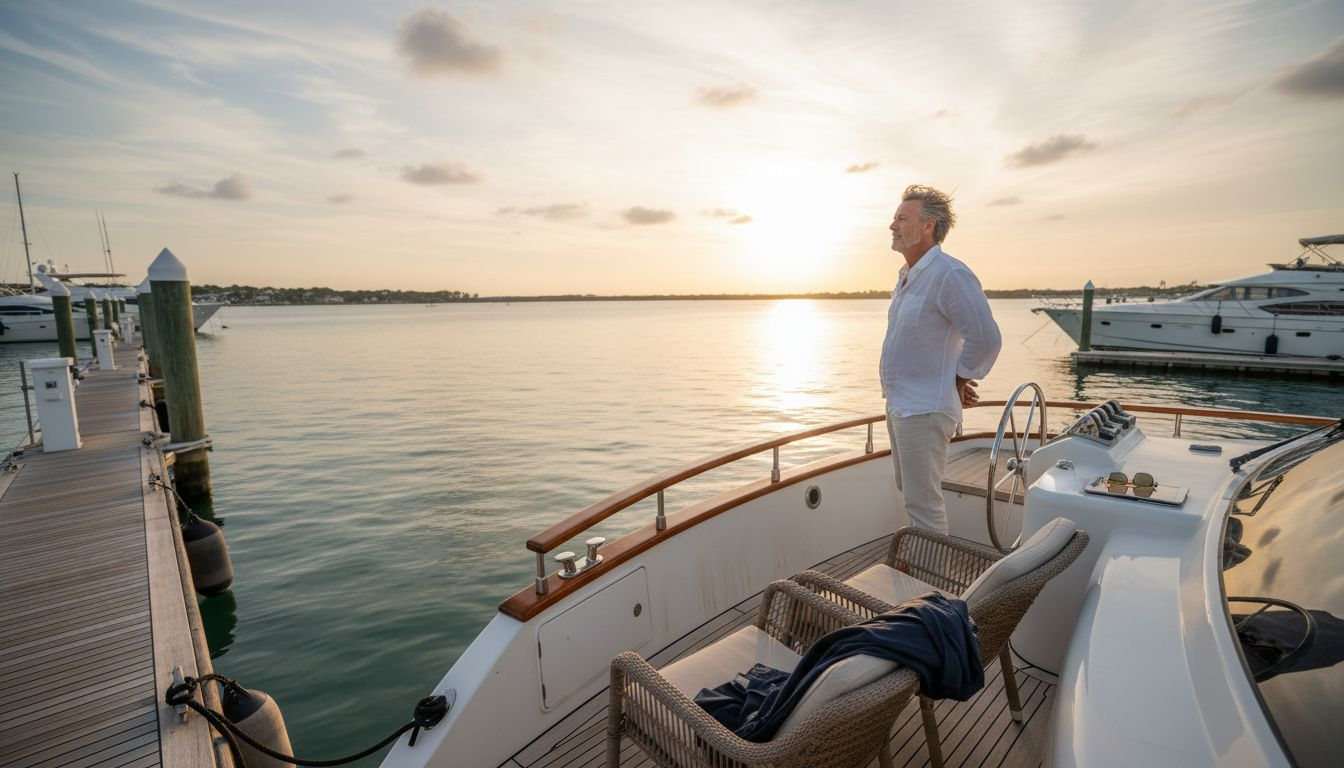
Luxury yacht owners are no longer satisfied with tradition alone. The evolution of yacht design now blends advanced materials, smart systems, and sustainable innovation to meet the expectations of a new generation of discerning owners. With cutting-edge technologies like AI-powered maintenance and hybrid propulsion becoming standard, choosing a truly bespoke vessel means embracing both timeless luxury and forward-thinking features. Discover how modern yacht design delivers unmatched sophistication while reflecting your commitment to the future.
Table of Contents
Key Takeaways
Point | Details |
Evolution of Luxury Yacht Design | Modern yacht design combines aesthetics with functionality, sustainability, and advanced technology, moving beyond traditional opulence. |
Owner Expectations Shift | Today’s yacht owners prioritize customization, environmental responsibility, and seamless technology integration, demanding more than just luxury. |
Sustainability as a Core Value | Sustainable practices, such as carbon-neutral materials and hybrid propulsion systems, are increasingly essential in yacht design—not just optional features. |
Competitive Market Dynamics | The growing luxury yacht market drives innovation, encouraging design firms to continually enhance personalization, efficiency, and sustainability in their offerings. |
Defining Luxury Yacht Design Evolution
Luxury yacht design evolution represents far more than aesthetic refinement or incremental performance improvements. It reflects a fundamental shift in how designers approach the marriage of engineering, aesthetics, and purposeful innovation. At its core, yacht design has transformed from prioritizing raw opulence and status symbolism into a nuanced discipline that balances symbolic value with functional necessity and environmental responsibility. What changed is not just the materials or shapes, but the underlying philosophy about what luxury actually means to the modern yacht owner. Today’s luxury yacht design integrates aesthetic sophistication with technological advancement, responding to evolving market expectations while honoring the traditions that define the industry.
The evolution accelerated dramatically with technological breakthroughs in advanced materials and construction techniques. Classic wooden vessels that emphasized meticulous craftsmanship and durability gave way to composite materials, aluminum alloys, and hybrid construction methods that enable designers to create sleeker, more aerodynamic forms while maintaining exceptional durability. This transition opened possibilities that were previously impossible: ultra-lightweight hulls that reduce fuel consumption, custom interiors tailored to individual owner preferences, and integrated systems that work seamlessly together. The shift from pure craftsmanship to engineered precision didn’t diminish the artistry involved. Rather, it expanded what designers could achieve, allowing them to balance performance requirements with deeply personalized luxury experiences.
Yacht design has evolved into a genuinely multidisciplinary field that demands expertise across numerous domains. Designers must navigate spatial complexity, manage morphological considerations, integrate advanced systems, and address functional requirements that would have seemed impossible a generation ago. The contemporary luxury yacht owner expects vessels that perform flawlessly across diverse conditions, incorporate cutting-edge technology for navigation and comfort, minimize environmental impact, and deliver spaces that feel as refined as the world’s finest hotels. Modern luxury yacht design accomplishes this by combining spatial innovation, material science, and architectural vision in ways that serve both practical needs and emotional desires. Each design decision represents a calculated balance between tradition and innovation, between the timeless appeal of classic yachting and the demands of contemporary ownership.
Understanding this evolution matters because it shapes what becomes possible in your next vessel. The evolution isn’t abstract or purely historical. It directly impacts the design solutions available to you, the performance characteristics your yacht can achieve, and the personalized experience your design can deliver. Yesterday’s innovations become today’s standard expectations, which means the design language constantly shifts. Designers who understand this evolution can identify which innovations serve genuine owner needs versus those that represent temporary trends. They can craft vessels that feel timelessly luxurious rather than immediately dated.
Here’s a comparison of traditional versus modern luxury yacht design priorities:
Aspect | Traditional Yachts | Modern Luxury Yachts |
Core Priority | Opulence and status | Balance, sustainability, tech |
Materials Used | Wood, basic metal alloys | Composites, aluminum, eco-fiber |
Design Focus | Craftsmanship, ornamentation | Engineering, innovation, comfort |
Environmental Impact | Often overlooked | Central to design philosophy |
Pro tip: When evaluating a custom yacht design, ask your design team how they’ve incorporated learnings from recent material and technological evolution while maintaining the timeless qualities that define luxury. The best designs don’t chase every trend, but thoughtfully integrate proven innovations that enhance your specific yachting experience.
Technological Advancements Shaping Yachts
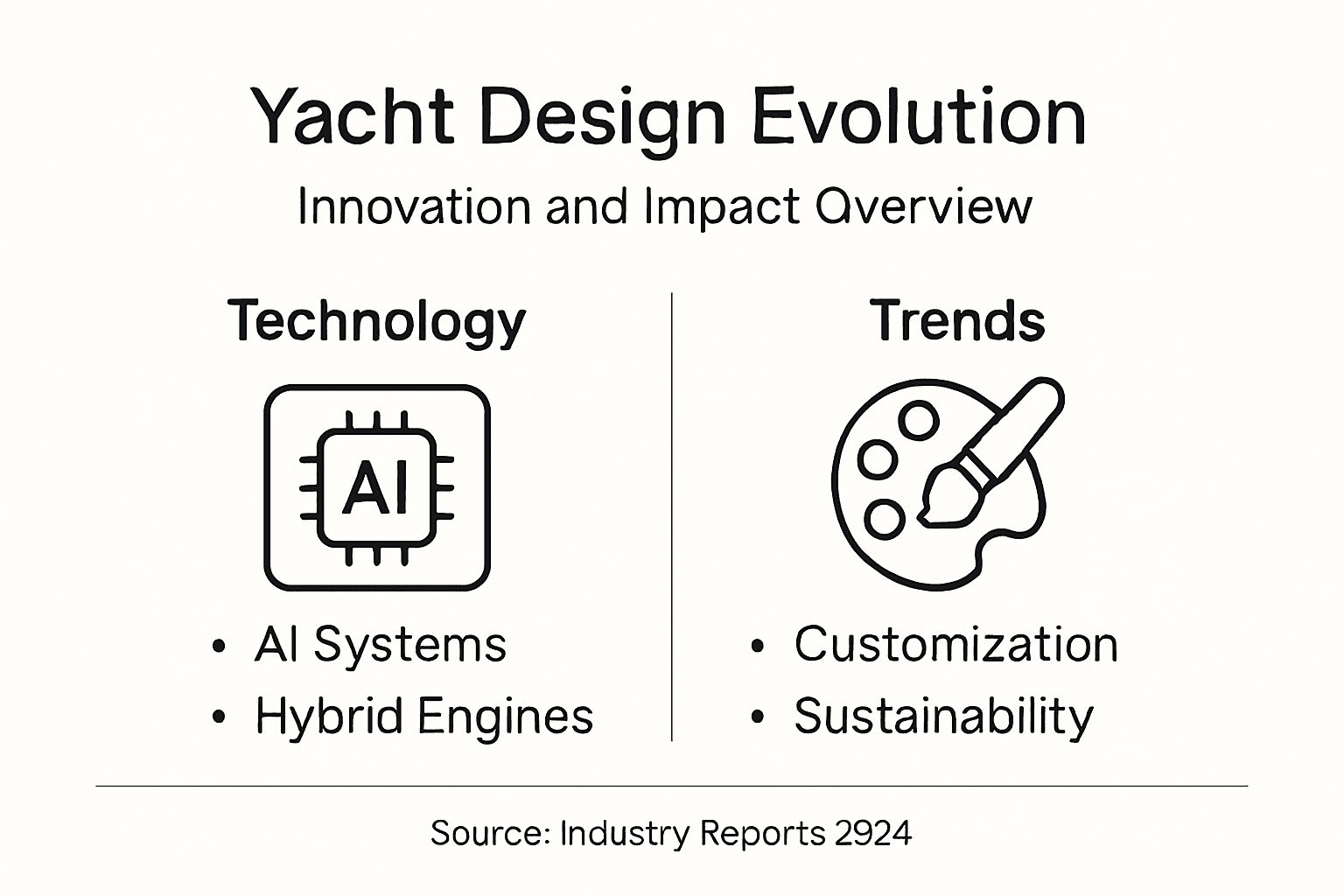
The technological transformation reshaping luxury yachts represents one of the most significant shifts in the industry over the past decade. Modern yachts are no longer simply floating palaces built from traditional materials and manual craftsmanship. They are now sophisticated systems integrating artificial intelligence, advanced propulsion technologies, predictive maintenance systems, and smart energy management that work together to optimize every aspect of vessel operation. This technological revolution directly impacts how you experience your yacht, from fuel efficiency and maintenance schedules to onboard comfort and environmental responsibility. The integration of cutting-edge systems has fundamentally changed what luxury yacht ownership means in practical, daily terms.
At the forefront of this transformation stand AI-powered maintenance systems and smart energy management technologies that continuously monitor vessel performance and anticipate problems before they occur. Rather than waiting for equipment to fail, these systems track hundreds of data points across engines, electrical systems, and structural components, alerting your crew to potential issues weeks in advance. Combined with advanced propulsion technologies and hybrid power systems, modern yachts achieve dramatically improved fuel efficiency without sacrificing performance. The 2024 yacht industry has embraced these innovations as standard expectations rather than luxury add-ons. Automation and digital manufacturing have simultaneously accelerated production timelines while enhancing operational precision, meaning custom-built vessels can now be delivered faster without compromising quality or detail.
Beyond propulsion and maintenance, emerging technologies like 3D printing and advanced navigation systems are redefining what’s possible in yacht design and functionality. Three dimensional printing enables rapid prototyping of complex components and custom parts that would have required months of traditional manufacturing. Navigation systems incorporate real-time environmental data, autonomous collision avoidance, and connectivity that keeps you seamlessly connected with your crew and shore-based support. New sustainable materials, from volcanic fiber composites to lab-grown alternatives, allow designers to meet environmental expectations without sacrificing the aesthetic refinement that defines luxury. Your yacht can now deliver opulent interiors and exceptional performance while operating with genuine environmental consciousness. These technologies work synergistically, each enhancing the others to create vessels that balance technological sophistication with the timeless appeal of true luxury.
What makes this technological evolution genuinely transformative is not any single innovation, but rather how designers integrate multiple advanced systems into cohesive, intuitive experiences. A modern luxury yacht owner doesn’t interact with separate AI maintenance systems, hybrid propulsion, smart energy management, and advanced navigation as distinct technologies. Instead, these systems work together invisibly, allowing you to focus on the experience of yacht ownership rather than the mechanics underlying it. Cutting-edge yacht design succeeds when technology enhances your lifestyle without requiring you to become a technician. The best designed vessels make advanced systems feel natural and effortless, whether that means optimizing fuel consumption automatically, predicting maintenance before problems develop, or maintaining connectivity across your entire fleet through unified systems.
Pro tip: When evaluating a new yacht design, specifically ask about how AI maintenance systems are integrated and what predictive capabilities they offer. Request detailed information about energy management systems and whether they actively optimize fuel consumption based on sea conditions and routing data, not just monitor usage after the fact.
Changing Owner Preferences and Expectations
The luxury yacht market is experiencing a fundamental demographic and philosophical shift that directly shapes how design studios approach new projects. Today’s yacht owners are no longer a homogeneous group united primarily by wealth and status. Instead, you have a diverse, increasingly tech-savvy generation that views yacht ownership through the lens of lifestyle expression, environmental responsibility, and personalized experience. This generational transition means that yacht designers must understand not just what owners want their vessels to look like, but how they want to live aboard them, work aboard them, and feel about their environmental footprint. The priorities that defined luxury yacht ownership a generation ago have been substantially rewritten by owners who expect customization, sustainability, and seamless technology integration as baseline requirements rather than premium upgrades.
Younger owners in particular are reshaping market expectations around environmental consciousness and technological sophistication. These owners grew up with technology as an integral part of their lives, which means they expect onboard systems to work intuitively and integrate effortlessly with their existing devices and workflows. But their environmental awareness runs equally deep. Eco-friendly materials and hybrid propulsion systems have shifted from luxury differentiators to minimum expectations. This generation doesn’t view environmental responsibility and luxury as opposing forces. Rather, they see a vessel that minimizes ecological impact as genuinely more luxurious because it aligns with their personal values. This expectation has forced superyacht manufacturers to rethink fundamental design decisions, from hull construction and propulsion to interior materials and waste management systems. The market reward goes to designers who demonstrate deep commitment to sustainability without compromising the refined aesthetics and performance that define luxury.
The rise of flexible ownership models represents another major shift in how potential yacht owners approach vessel acquisition. Not every affluent individual wants or needs full ownership of a 100-meter superyacht. Many prefer shared ownership arrangements, charter opportunities, or seasonal access that aligns with their actual usage patterns. This creates entirely different design requirements. A vessel designed for shared ownership must balance the personal desires of multiple owners, accommodate crew and management flexibility, and maintain exceptional condition across varying use patterns. Charter vessels require different layout considerations, durability standards, and technology systems compared to private ownership yachts. Design studios now must ask clarifying questions about ownership structure during initial consultations because it fundamentally impacts every design decision from spatial planning to mechanical systems. The economic conditions of recent years have legitimized what was once considered a fringe ownership model, and sophisticated owners increasingly recognize the advantages.
Customization and co-creation have become non-negotiable expectations rather than optional amenities. Modern owners expect to actively participate in design decisions throughout the creation process. Advanced visualization technologies enable you to see exactly how specific design choices will feel in actual spaces, how materials will look under different lighting conditions, and how systems will interact during daily operations. This level of involvement transforms yacht design from a top-down process where designers present finished concepts into a collaborative partnership where your preferences, lifestyle requirements, and aesthetic vision directly shape the final vessel. Design studios that embrace this collaborative approach report higher owner satisfaction and more successful launches because the final vessel genuinely reflects owner priorities rather than designer assumptions. The vessels created through this process feel deeply personal in ways that cannot be achieved through traditional design presentations alone.
Pro tip: Before engaging a design studio, clearly articulate your actual usage patterns, environmental values, ownership structure preferences, and specific lifestyle requirements. Designers who understand whether you plan to charter your vessel, operate it seasonally, or use it for extended expeditions can make fundamentally better design decisions aligned with your real needs rather than assumptions about luxury yacht ownership.
Sustainability and Environmental Influences
Sustainability has transitioned from a peripheral concern to a central driver of luxury yacht design evolution. For decades, the yachting industry operated largely outside mainstream environmental consciousness. A large superyacht consumed fuel at rates that would seem absurd in any other context, and the environmental cost of construction and operation received minimal attention. That era has ended. Today’s luxury yacht owners, particularly those with sophisticated environmental awareness, view their vessels through an ecological lens that shapes every design decision from hull construction to waste management systems. This shift isn’t driven by regulation alone, though regulations increasingly matter. It’s driven by owners who recognize that genuine luxury should not come at the expense of planetary health. Your yacht design can now express your values through concrete environmental choices rather than merely claiming sustainability in marketing materials.
The industry is advancing rapidly in carbon-neutral materials and hybrid propulsion technologies that fundamentally reshape what vessels can achieve environmentally. Modern hybrid systems allow yachts to operate on electrical power in sensitive marine environments or when anchored, eliminating diesel engine operation during the times when environmental impact matters most. Advanced composite materials sourced from sustainable origins reduce vessel weight, which directly decreases fuel consumption across the yacht’s operational life. Lightweight construction also enables smaller, more efficient propulsion systems that consume less fuel while delivering equivalent or superior performance. Beyond propulsion and structure, sustainable design addresses every system aboard: waste water treatment that allows ocean-safe discharge, advanced insulation that minimizes heating and cooling loads, renewable energy generation through solar and wind systems, and intelligent power management that optimizes energy consumption. These aren’t compromises imposed on luxury design. Rather, they represent genuine design innovation that delivers superior vessel performance alongside environmental responsibility.
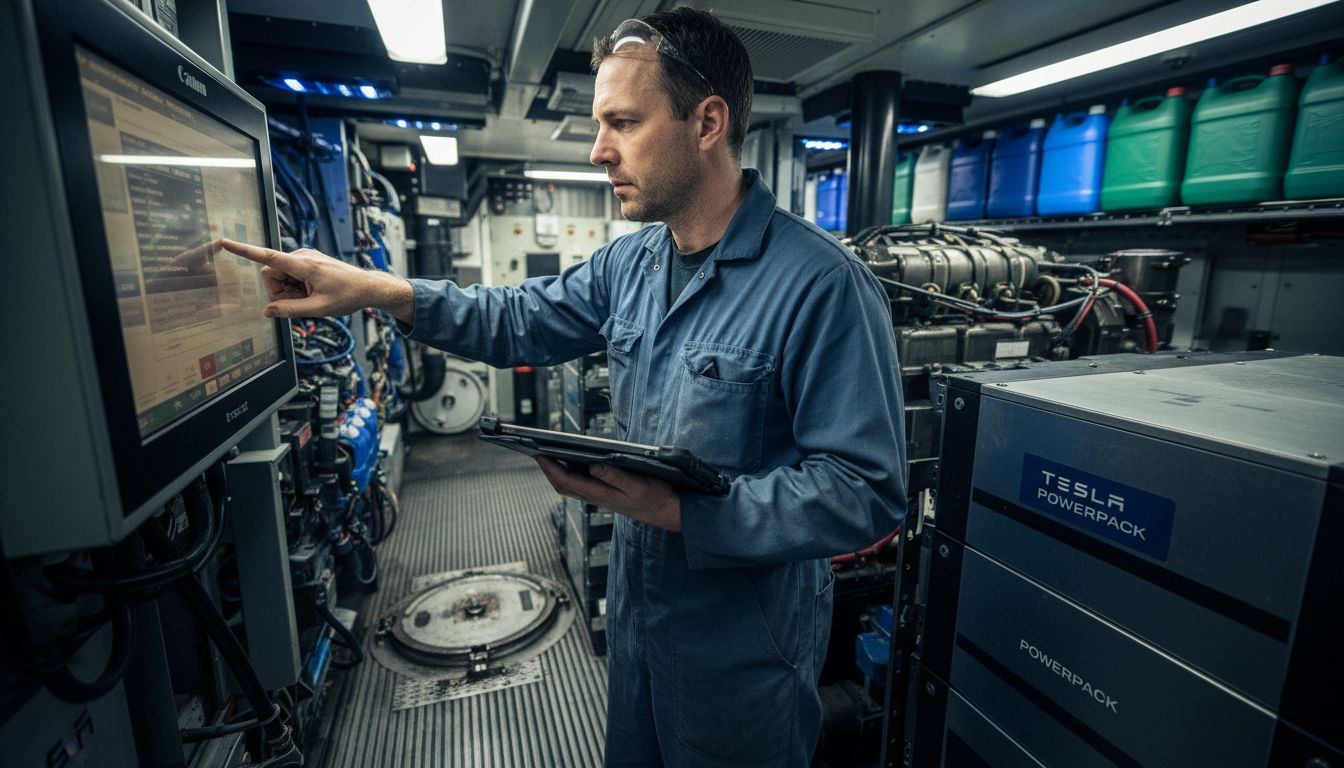
What distinguishes forward-thinking yacht design is recognition that sustainability and luxury are fundamentally compatible goals rather than competing priorities. The luxury yachting industry’s shift toward sustainability reflects evolving consumer awareness and genuine environmental concerns that your design choices directly address. A vessel built with sustainable materials, powered by efficient hybrid systems, and designed for minimal resource consumption during operation represents the honest expression of luxury in the twenty-first century. This approach requires designers to engage more deeply with material science, propulsion technology, and system integration than traditional approaches demanded. It demands collaboration with environmental specialists, material scientists, and engineering firms focused on efficiency. But the result is a vessel that performs better, costs less to operate, maintains superior resale value, and aligns with the personal values of sophisticated owners who understand that true luxury must be responsible luxury.
The barriers to sustainable yacht design are not insurmountable, though they require commitment and foresight. Technological limitations exist around energy density for battery systems on extremely large vessels, and regulatory environments vary significantly across jurisdictions where your yacht might operate. Stakeholder cooperation remains essential because no single designer or builder can solve sustainability challenges alone. The industry increasingly recognizes that knowledge sharing around successful sustainable design approaches benefits everyone. Builders who implement hybrid propulsion systems successfully gain valuable operational data that improves designs for subsequent vessels. Designers who pioneer carbon-neutral material approaches establish methodologies that become industry standards. Your yacht design benefits from this cooperative approach because it draws on accumulated knowledge across the entire industry rather than requiring each project to reinvent sustainable solutions from scratch. The vessels being designed and built today represent genuine progress in balancing opulent living spaces with authentic environmental stewardship.
To summarize key sustainable features shaping modern luxury yacht design:
Sustainability Feature | How It Works | Benefit to Owners |
Hybrid Propulsion | Electric/diesel combos | Lower fuel costs, cleaner operation |
Carbon-neutral Materials | Sourced sustainably | Reduced environmental footprint |
Advanced Waste Management | Ocean-safe discharge | Compliance, healthier marine life |
Renewable Energy Systems | Solar and wind integration | Reduce reliance on fossil fuels |
Pro tip: When discussing sustainability with your design team, move beyond marketing claims and request specific data: actual fuel consumption projections, material sourcing certifications, lifecycle environmental impact assessments, and operational efficiency metrics. Demand transparency about which sustainability features represent genuine environmental benefit versus those designed primarily for aesthetic appeal or marketing purposes.
Market Forces and Competitive Innovations
The luxury yacht market is experiencing accelerated growth driven by expanding ultra-high-net-worth populations and a fundamental shift in how affluent individuals view experiential luxury. Market projections indicate sustained expansion with luxury yacht market growth forecasted at 6% annually through 2032, powered by rising demand from sophisticated owners seeking personalized, technology-integrated vessels. This growth creates intense competitive pressure among design studios and builders, forcing innovation at every level. Designers who rest on established methodologies quickly become irrelevant as competitors introduce superior propulsion systems, more efficient designs, and more personalized customization capabilities. The competitive landscape rewards those who continuously innovate, not those who repeat proven formulas. For yacht owners seeking bespoke designs, this competitive intensity is genuinely beneficial because it ensures that your design team has access to the latest technological advances, proven design methodologies, and cutting-edge materials developed across the entire industry.
Competitive pressures have accelerated the adoption of technologies that would have seemed optional just five years ago. Hybrid propulsion systems and sustainable marine innovations are no longer differentiators. They represent minimum expectations for any vessel entering the market as a premium offering. Builders and design studios that fail to integrate these technologies find themselves unable to attract the most discerning owners. Simultaneously, competition has driven down the historical cost premium associated with hybrid systems and advanced materials, making them accessible for a broader range of vessel sizes. Personalization capabilities have expanded dramatically as design firms invest in advanced visualization technology allowing owners to experience design choices before construction begins. This level of collaborative customization was once available only for the largest superyachts. Now, competitive pressures push innovation down to smaller vessels, meaning your design can incorporate levels of personalization that would have required substantially larger investments a decade ago. Design studios competing for your project must demonstrate proficiency with these technologies or risk losing work to competitors who offer superior capabilities.
The chartership market has emerged as a significant competitive driver, fundamentally reshaping design priorities for many vessels. Growing demand for yacht chartering increases market accessibility while simultaneously driving innovation in design and technology integration. A vessel designed for charter operations faces different requirements than a purely private yacht. It must balance exceptional owner comfort with durability under intensive use, accommodate crew preferences alongside owner desires, and integrate technology systems that simplify operations and maintenance. Builders who successfully navigate these competing demands gain competitive advantage through reputation and operational success. Design teams increasingly portfolio projects that address charter requirements, recognizing that this segment represents substantial growth opportunity. For owners considering charter potential in your yacht’s business model, you benefit from this competitive focus because design studios now offer proven methodologies specifically optimized for vessels that balance private use with charter income generation.
Emerging yachting destinations and supporting infrastructure developments have expanded beyond traditional Mediterranean and Caribbean bases, creating new competitive opportunities and innovation incentives. Design studios now create vessels optimized for emerging regions with distinct operating conditions, regulatory environments, and owner preferences. This geographic diversification prevents competitive stagnation because success in one market doesn’t guarantee success in another. A design team must understand how vessels perform in different climates, comply with varying regulations, and align with regional aesthetic preferences. The competitive market reward goes to designers who build this geographic expertise because it allows them to serve owners with sophisticated international operating patterns. Your design benefits from this competitive pressure because your design team has likely created vessels for diverse global markets, providing invaluable knowledge about optimization strategies specific to your intended operating regions.
Pro tip: When evaluating design studios, specifically ask which recent innovations they have implemented across their recent projects and request case studies demonstrating competitive advantages in hybrid propulsion, personalization capabilities, or sustainable material integration. Studios actively competing in the contemporary market will have concrete examples of cutting-edge solutions across multiple recent projects.
Experience the Future of Luxury Yacht Design Today
Luxury yacht owners face critical challenges highlighted in the article such as integrating advanced technology, embracing sustainability, and balancing timeless elegance with innovative practicality. You want a vessel that not only reflects your personal values and lifestyle but also incorporates cutting-edge materials, hybrid propulsion, and smart systems without sacrificing comfort or aesthetic refinement. Achieving this requires a design partner who understands these complex demands and has a proven track record of pioneering solutions like the patented fold-down transoms that redefine functionality and sophistication.
Discover how Opalinski Design House transforms evolving yacht design priorities into bespoke creations tailored just for you. Their multidisciplinary team fuses innovative naval architecture with custom interior styling to deliver yachts that meet modern ecological and technological expectations. Explore their portfolio and patented innovations that set new industry standards. Take the next step to elevate your yacht ownership experience by contacting Opalinski Design House today and secure your place at the forefront of luxury yacht evolution.
Frequently Asked Questions
What are the key factors driving the evolution of luxury yacht design?
The evolution of luxury yacht design is primarily driven by advancements in technology, changing owner preferences, and a greater focus on sustainability. Designers now integrate innovative materials and systems that balance aesthetics with functionality, ensuring high performance and reduced environmental impact.
How has technology changed modern luxury yacht design?
Technology has transformed luxury yacht design by introducing advanced propulsion systems, AI-powered maintenance, and smart energy management. These innovations enhance fuel efficiency, streamline maintenance, and improve overall onboard comfort, making yacht ownership a more sophisticated experience.
What role does sustainability play in luxury yacht design today?
Sustainability is a central aspect of modern luxury yacht design. Owners expect eco-friendly materials and hybrid propulsion systems as standard features. Designers are now focusing on minimizing environmental impact through materials sourcing, efficient systems, and sustainable practices in both construction and operation.
How important is customization in modern yacht design?
Customization is incredibly important in modern yacht design. Owners expect to be actively involved in the design process, ensuring that the final vessel reflects their individual lifestyle, aesthetic preferences, and usage patterns. Advanced visualization technologies further enhance this collaborative approach.
Recommended

Comments