
Yacht Styling Brief Explained: Crafting Unique Luxury
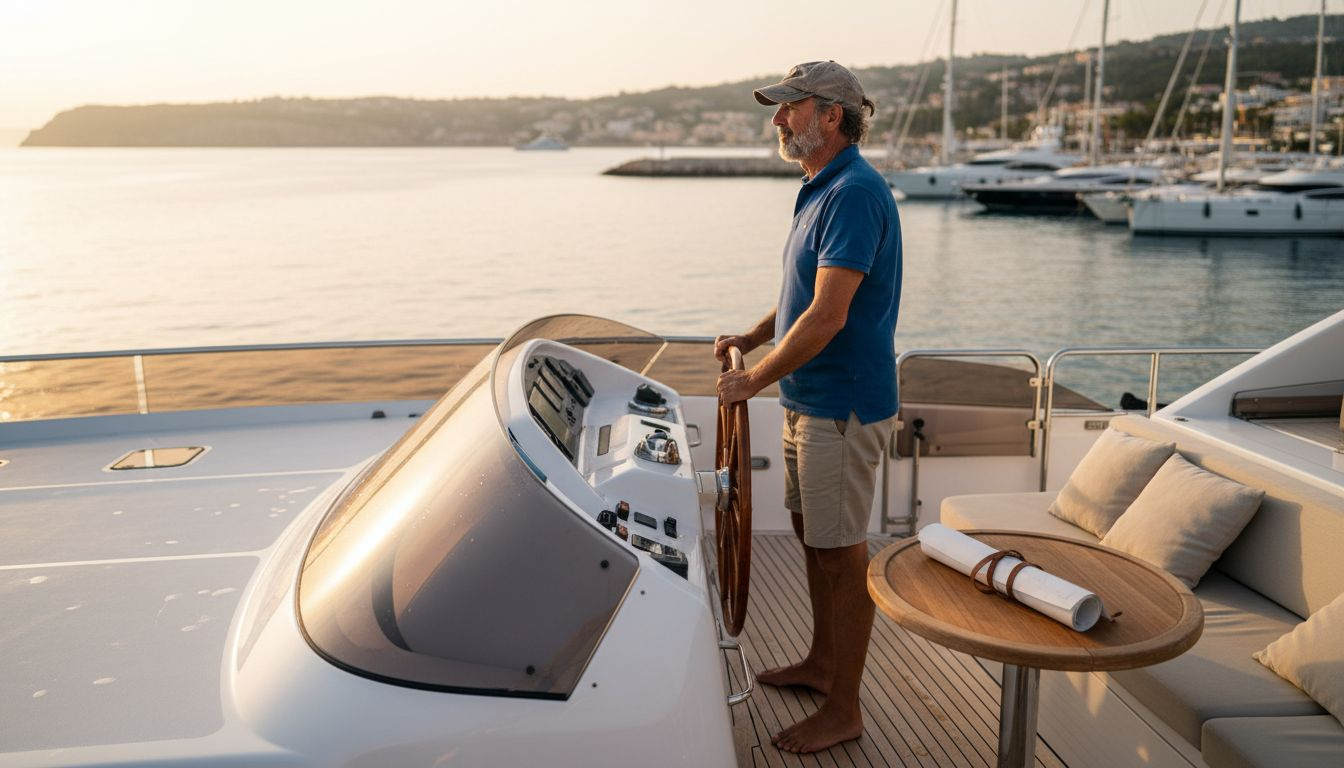
Defining what truly sets a luxury yacht apart begins long before construction ever starts. For discerning yacht owners, the yacht styling brief acts as the essential blueprint for translating personal vision into tangible design excellence. This document becomes the anchor for collaboration between owner and design team, balancing bold ideas with technical finesse to shape a vessel that is both innovative and exquisitely tailored.
Table of Contents
Key Takeaways
Point | Details |
Comprehensive Styling Brief | A yacht styling brief is essential for translating an owner’s vision into a personalized luxury experience, covering aesthetics, functionality, and technology. |
Tailored Design Approaches | Different yacht types require distinct styling briefs, each emphasizing unique design focuses, from luxury motor yachts to rugged explorer vessels. |
Collaborative Decision Making | Effective collaboration between owners and designers is key, involving clear communication and regular design reviews to align vision and execution. |
Attention to Detail | A thorough understanding of potential risks, including budget complexities and technical specifications, is crucial for successful yacht styling. |
Defining the Yacht Styling Brief
A yacht styling brief represents the foundational blueprint for transforming a vessel from a mere watercraft into a personalized luxury statement. This comprehensive document serves as the strategic roadmap guiding naval architects, designers, and craftsmen in translating an owner’s vision into a cohesive, exceptional maritime experience. Yacht styling terminology provides critical context for understanding this intricate design process.
The styling brief encompasses far more than aesthetic preferences. It articulates the owner’s functional requirements, lifestyle needs, entertainment expectations, and personal design philosophy. Professional yacht designers analyze every nuanced detail—from spatial flow and ergonomic considerations to material selections and technological integrations that reflect the owner’s unique personality and operational preferences. Interior styling approaches play a pivotal role in translating conceptual ideas into tangible design elements.
Key components of a comprehensive yacht styling brief typically include precise specifications about:
Overall design aesthetic and thematic inspiration
Functional spatial requirements
Material and finish preferences
Color palette and visual mood
Technological and entertainment system integrations
Performance and navigation expectations
Comfort and lifestyle accommodation details
Pro tip: When developing a yacht styling brief, collaborate closely with experienced designers who can translate abstract concepts into precise, executable design strategies.
Types of Yacht Styling Briefs
Yacht styling briefs are not one-size-fits-all documents, but rather highly specialized blueprints tailored to specific vessel types and owner requirements. Yacht design variations reveal distinct categories that fundamentally shape the styling approach, ranging from motor yachts to exploration vessels, each demanding unique aesthetic and functional considerations.
The primary categories of yacht styling briefs can be broadly classified into several distinctive types:
Motor Yacht Briefs: Emphasizing sleek performance, luxurious amenities, and cutting-edge technological integration
Sailing Yacht Briefs: Focusing on aerodynamic efficiency, classic elegance, and performance-oriented design elements
Explorer Yacht Briefs: Prioritizing robust construction, extended range capabilities, and expedition-ready functional spaces
Sportfish Yacht Briefs: Concentrating on specialized fishing infrastructure, performance hull design, and angler-specific amenities
Expedition Yacht Briefs: Designed for long-range travel, extreme weather resilience, and comprehensive onboard living capabilities
Each styling brief serves as a comprehensive narrative that translates an owner’s vision into a precise design language. Yacht style inspiration plays a critical role in understanding how different yacht types demand unique aesthetic approaches that balance form, function, and personal expression.
Here’s a quick reference comparing different types of yacht styling briefs and their design focuses:
Yacht Type | Core Design Focus | Unique Feature |
Motor Yacht | Modern luxury & performance | High-tech entertainment |
Sailing Yacht | Aerodynamics & classic style | Sleek rigging solutions |
Explorer Yacht | Robustness for long voyages | Expedition-ready spaces |
Sportfish Yacht | Fishing efficiency & agility | Custom angler amenities |
Expedition Yacht | Extreme conditions resilience | Self-sufficient living area |
Pro tip: When developing a yacht styling brief, conduct extensive research on the specific yacht type and engage multiple design perspectives to ensure a truly comprehensive and personalized approach.
Key Elements Shaping the Brief
Crafting a comprehensive yacht styling brief requires a nuanced understanding of multiple interdependent design elements that collectively define the vessel’s character and functionality. Yacht styling fundamentals reveal a complex interplay between technical specifications and aesthetic aspirations, where each design choice carries profound implications for the overall maritime experience.
The critical elements shaping a yacht styling brief can be organized into several key dimensions:
Hull Design: Determines vessel performance, stability, and visual profile
Interior Layout: Defines spatial efficiency, comfort, and functional flow
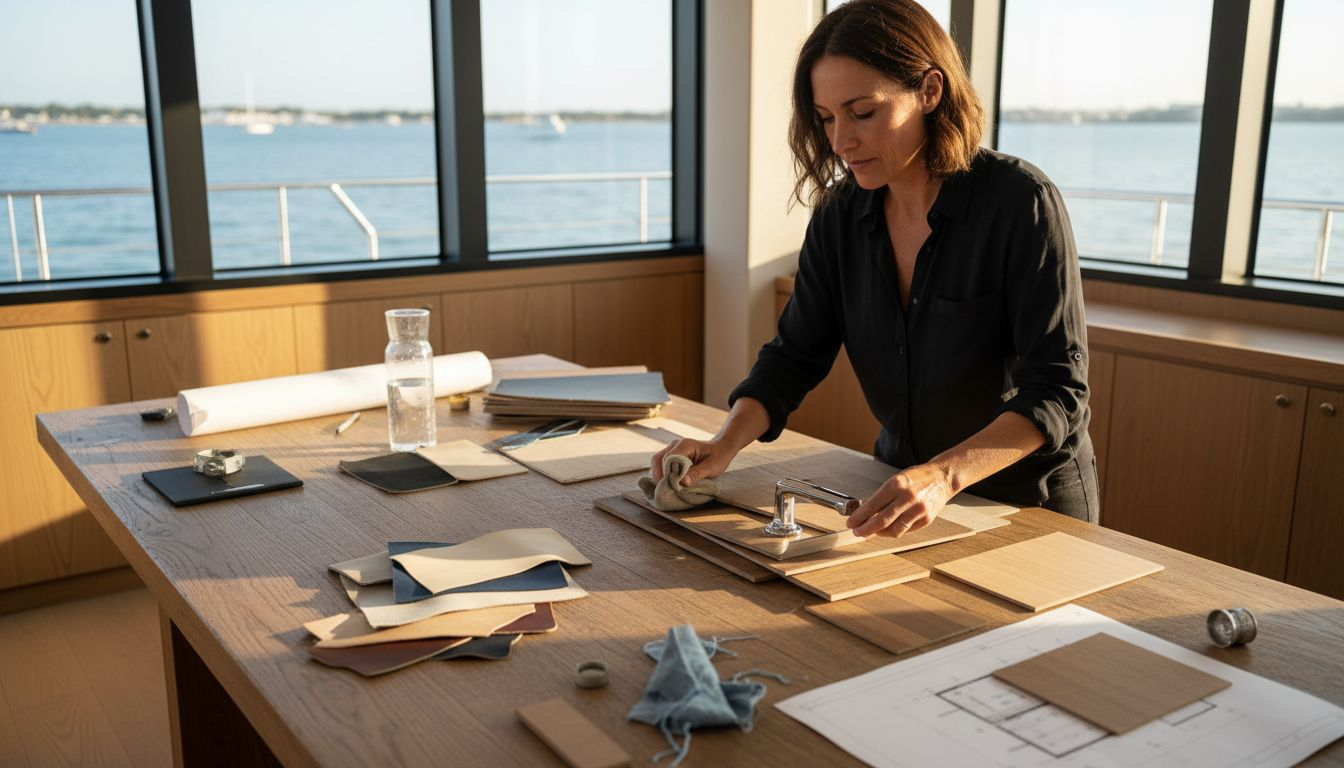
Material Selection: Influences luxury perception, durability, and environmental sustainability
Technological Integration: Enables advanced navigation, entertainment, and onboard systems
Ergonomic Considerations: Ensures user comfort and intuitive interaction with vessel spaces
Each element represents a sophisticated negotiation between form and function, where technical constraints meet creative expression. Successful yacht styling briefs harmonize these components into a cohesive narrative that reflects the owner’s unique vision and lifestyle. The most exceptional designs achieve a delicate balance between engineering precision and artistic interpretation, transforming maritime vessels from mere transportation into floating expressions of personal identity.
Pro tip: Collaborate with multidisciplinary design professionals who can seamlessly integrate technical requirements with creative vision when developing your yacht styling brief.
Owner Collaboration and Decision Process
The journey of creating a bespoke yacht is fundamentally a collaborative narrative between the owner and design professionals, where communication and vision alignment become paramount. Yacht building involvement requires a structured yet flexible approach that transforms abstract desires into tangible design solutions.
The collaborative process typically unfolds through several strategic stages:
Initial Consultation: Establishing owner’s lifestyle, aesthetic preferences, and functional requirements
Conceptual Design Review: Presenting initial sketches and digital renderings for owner feedback
Detailed Design Refinement: Iterative modifications addressing specific owner preferences
Material and Finish Selection: Hands-on engagement in choosing interior and exterior materials
Technical System Integration: Collaborative decisions on technological and comfort features
Periodic Progress Reviews: Regular shipyard visits to monitor design implementation
Successful owner collaboration hinges on creating a transparent, interactive dialogue where design professionals translate personal visions into architectural reality. Each decision represents a nuanced negotiation between technical feasibility, aesthetic aspirations, and practical functionality. The most exceptional yacht designs emerge from a symbiotic relationship where owner insights and designer expertise harmonize seamlessly.
Pro tip: Maintain comprehensive documentation and establish clear communication channels with your design team to ensure your yacht styling vision remains consistently and accurately represented throughout the development process.
Risks, Costs, and Common Mistakes
Navigating the complex landscape of yacht styling briefs requires a strategic understanding of potential pitfalls that can dramatically impact project success, budget, and final design quality. Yacht design considerations reveal that overlooking critical details can lead to substantial financial and aesthetic consequences.
The most prevalent risks and common mistakes in yacht styling brief development include:
Underestimating Budget Complexity:
Initial design estimates often represent only 40-60% of total project costs
Hidden expenses in custom fabrication and specialized materials
Unexpected technological integration challenges
Communication Misalignments:
Inadequate articulation of owner’s vision
Insufficient technical specification details
Lack of regular design review and feedback mechanisms
Technical Specification Errors:
Miscalculating performance requirements
Overlooking structural integrity constraints
Inappropriate material selections for intended yacht usage
Successful yacht styling briefs demand meticulous attention to detail, comprehensive communication, and a holistic understanding of the intricate relationship between design aspirations and technical feasibility. Each potential mistake represents not just a financial risk, but a compromise in the vessel’s ultimate performance, comfort, and aesthetic expression.

Pro tip: Engage independent technical consultants to conduct comprehensive design reviews and validate critical specifications before finalizing your yacht styling brief.
Comparing Traditional Briefs and Modern Approaches
The landscape of yacht styling has undergone a profound transformation, shifting from rigid, linear design methodologies to dynamic, technology-driven approaches. Yacht design methodologies demonstrate a revolutionary shift in how designers conceptualize and execute maritime architectural visions.
Traditional versus modern yacht styling briefs reveal stark contrasts across multiple dimensions:
Design Workflow:
Traditional: Compartmentalized, sequential processes
Modern: Integrated, collaborative, real-time digital platforms
Technological Integration:
Traditional: Limited digital tools, manual drafting
Modern: Advanced 3D modeling, virtual reality simulations
Sustainability Approach:
Traditional: Performance-focused design
Modern: Eco-conscious materials, energy efficiency considerations
Aesthetic Philosophy:
Traditional: Formal, structured design language
Modern: Minimalist, fluid spatial relationships
The evolution represents more than technological advancement—it signals a fundamental reimagining of yacht design as a holistic, responsive discipline that balances technological innovation, environmental responsibility, and personalized luxury. Yacht design evolution underscores the industry’s commitment to creating vessels that are not just modes of transportation, but dynamic, adaptive living environments.
This summary compares traditional and modern yacht styling approaches for better decision-making:
Aspect | Traditional Briefs | Modern Briefs |
Workflow | Step-by-step, linear | Collaborative, real-time updates |
Technology Use | Manual drafts, limited tech | 3D models, VR visualization |
Sustainability | Minimal eco-focus | Emphasis on green materials |
Design Language | Formal, structured | Minimalist, fluid arrangements |
Pro tip: Leverage digital collaboration tools and invite multiple design perspectives to ensure your yacht styling brief captures both cutting-edge technological potential and timeless design principles.
Elevate Your Yacht Styling Brief Into a Masterpiece of Luxury and Innovation
Transforming your yacht styling brief into a stunning, personalized vessel requires expert guidance that balances your vision with technical excellence. The article highlights the challenges yacht owners face including detailed design coordination, avoiding costly mistakes, and integrating cutting-edge technology. At Opalinski Design House, we specialize in crafting bespoke yacht designs that harmonize your unique lifestyle needs with innovative naval architecture and patented features such as the fold-down bulkhead and rotational transoms.
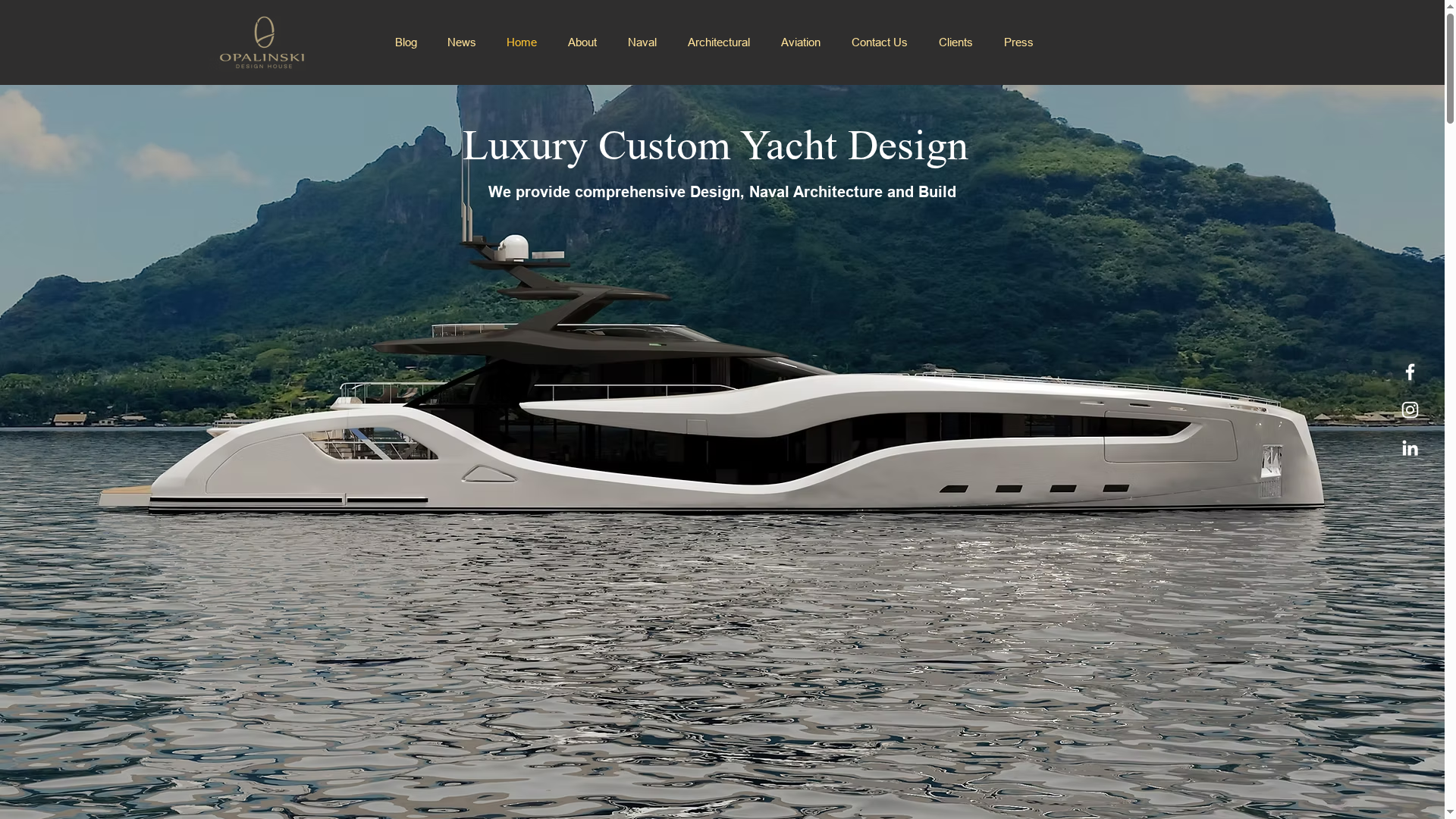
Discover how our creative approach and commitment to quality turn complex briefs into extraordinary vessels. Whether you are developing a motor yacht or an explorer yacht, our team ensures your design ambitions become a reality with seamless collaboration and precision. Begin your journey today by exploring our innovative yacht design solutions and connect with us to receive a personalized consultation that protects your investment and elevates your yacht to its full luxury potential.
Frequently Asked Questions
What is a yacht styling brief?
A yacht styling brief is a comprehensive document that outlines the owner’s vision for the yacht’s design, including aesthetic preferences, functional requirements, and lifestyle needs, serving as a roadmap for designers and craftsmen.
What are the key components of a yacht styling brief?
Key components typically include overall design aesthetic, functional spatial requirements, material and finish preferences, color palette, technology integration, and lifestyle accommodation details.
How does the type of yacht affect the styling brief?
Different yacht types, such as motor yachts, sailing yachts, explorer yachts, sportfish yachts, and expedition yachts, have unique design focuses and functional considerations that shape their specific styling briefs.
What common mistakes should I avoid when creating a yacht styling brief?
Common mistakes include underestimating budget complexity, miscommunication of the owner’s vision, and errors in technical specifications that can impact the overall design and functionality of the yacht.
Recommended
Comments