
Integrated Yacht Design Explained: Innovation in Luxury
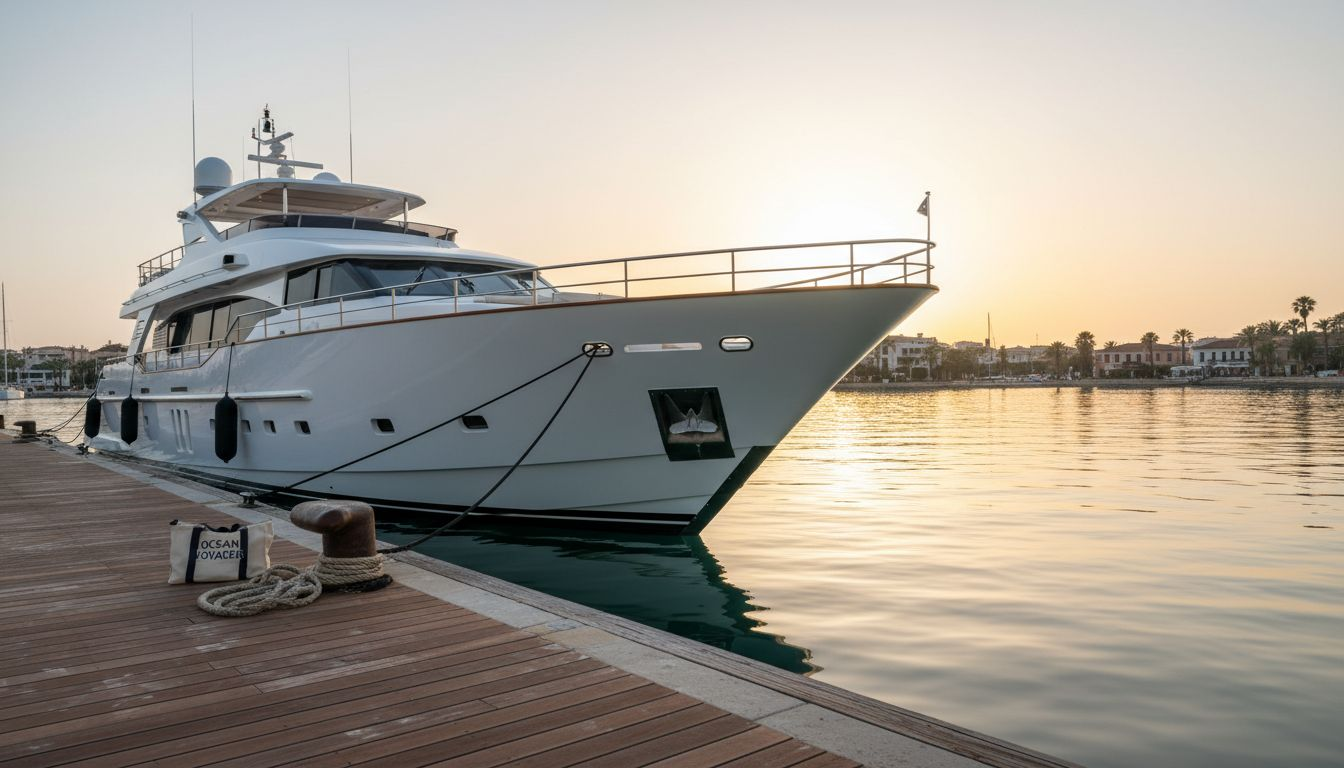
Most American yacht owners do not realize that nearly 60 percent of new luxury vessels worldwide now rely on integrated design principles for superior customization and energy efficiency. Sophisticated clients demand designs where innovation, technology, and sustainability come together seamlessly. If you value bespoke craftsmanship and want to understand why integrated yacht design sets a new standard for luxury afloat, you will appreciate insights that go beyond surface-level trends.
Table of Contents
Key Takeaways
Point | Details |
Integrated Design Enhances Collaboration | Integrated yacht design fosters real-time collaboration across multiple disciplines, reducing communication barriers and enabling comprehensive problem-solving. |
Technological Integration Drives Efficiency | Advanced technologies such as AI, digital twins, and computational modeling dramatically optimize design processes and reduce costs through virtual prototyping. |
Sustainability is Key to Modern Design | The focus on eco-friendly materials and energy-efficient systems is essential in luxury yacht design, aligning with increasing environmental concerns. |
Regulatory Compliance is Crucial | Navigating complex international regulations and compliance standards is necessary for successful integrated yacht design, requiring meticulous planning and risk management. |
Defining integrated yacht design and misconceptions
Integrated yacht design represents a revolutionary approach to naval architecture that transcends traditional design methodologies. Unlike conventional processes where different teams work in isolation, this approach emphasizes holistic collaboration and seamless data integration across multiple disciplines. Sophisticated design processes now recognize that luxury yacht creation requires dynamic interaction between naval architects, engineers, interior designers, and technology specialists.
The fundamental misconception about integrated yacht design is that it merely represents a linear workflow. In reality, it is a complex, cyclical process where each design element influences and transforms others simultaneously. Technological advancements have enabled real-time data sharing and computational modeling that allow designers to simulate and optimize yacht performance, aesthetics, and functionality in unprecedented ways. Comparative studies of traditional versus integrated methodologies reveal significant improvements in design efficiency and innovation potential.
Key characteristics of integrated yacht design include:
Concurrent engineering across multiple domains
Advanced computational modeling
Real-time collaborative platforms
Continuous performance optimization
Seamless data exchange between design teams
Pro tip: When evaluating yacht design proposals, request detailed insights into the integration methodology to understand the true depth of the design approach.
Core elements: collaboration, technology, and workflow
Collaboration stands as the foundational pillar of integrated yacht design, transforming traditional siloed approaches into dynamic, interconnected processes. Modern yacht design requires a multidisciplinary approach where naval architects, marine engineers, interior designers, and technological specialists work in synchronous harmony. Comprehensive design principles emphasize the critical importance of breaking down communication barriers and creating seamless knowledge transfer across different design domains.
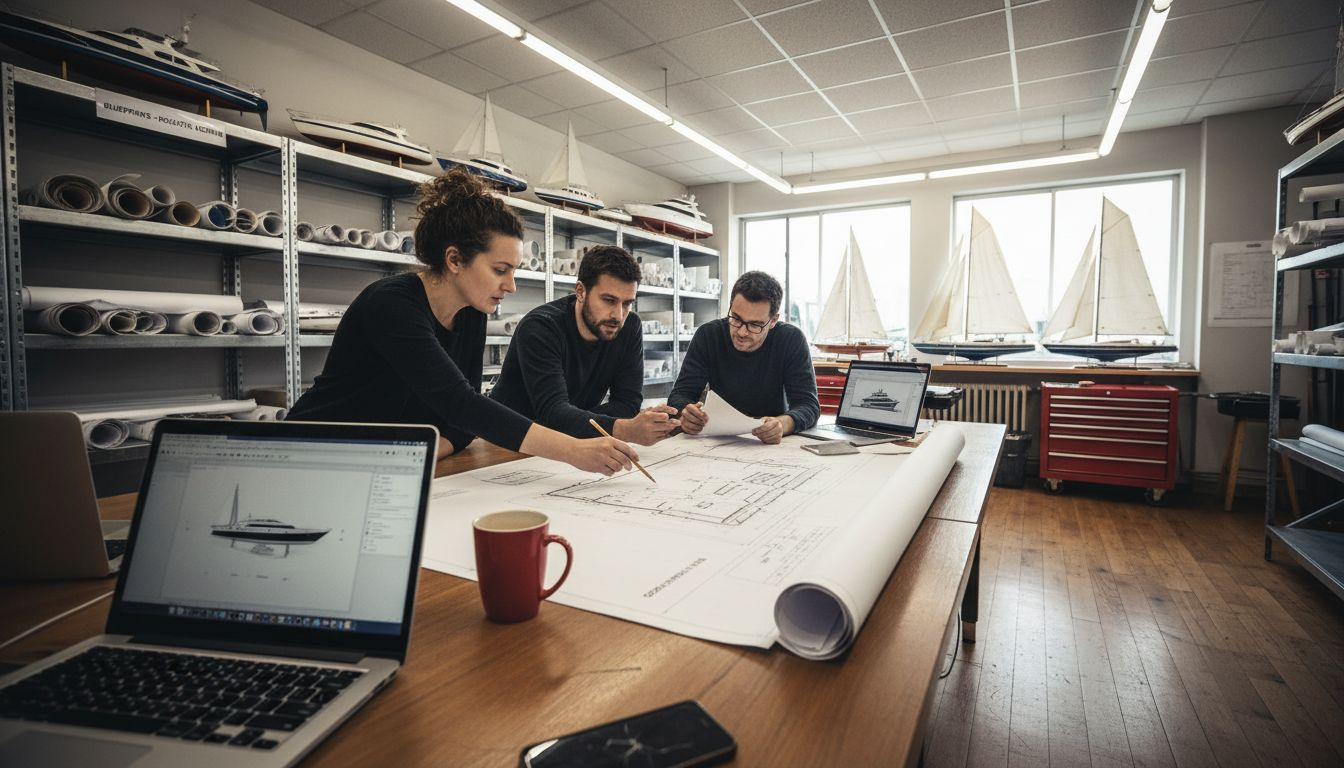
Technological integration represents the second crucial element, enabling unprecedented levels of simulation, optimization, and real-time collaboration. Advanced computational modeling, 3D rendering technologies, and sophisticated data management platforms allow design teams to prototype, test, and refine yacht concepts with remarkable precision. These digital tools facilitate complex performance analyses, material selection evaluations, and structural integrity assessments that were previously impossible using traditional design methodologies.
The workflow in integrated yacht design follows a non-linear, iterative model characterized by continuous feedback and adaptive development. Key workflow characteristics include:
Simultaneous engineering across multiple disciplines
Rapid prototyping and virtual testing
Adaptive design iterations
Cross-functional knowledge sharing
Performance optimization through data-driven insights
The integration of human expertise with cutting-edge technological capabilities creates a synergistic environment where creativity and technical precision coexist. This approach allows designers to push the boundaries of yacht design, delivering increasingly sophisticated and personalized maritime solutions.
Pro tip: Invest in collaborative software platforms that enable real-time communication and seamless file sharing across design teams to maximize workflow efficiency.
Technological innovations and smart integration
The landscape of yacht design has been dramatically transformed by cutting-edge technological innovations that redefine traditional design paradigms. Digital technologies and parametric design tools have emerged as critical enablers of unprecedented creativity and precision, allowing designers to explore complex geometries and performance characteristics with remarkable depth and flexibility.
Artificial intelligence and digital twin technologies represent the most revolutionary advancements in integrated yacht design. These sophisticated systems enable real-time simulation, predictive modeling, and comprehensive performance analysis across multiple design domains. State-of-the-art simulation-driven design approaches now allow designers to create virtual prototypes that can be tested under various environmental conditions, dramatically reducing physical prototyping costs and accelerating the design iteration process.
Key technological innovations driving smart integration include:
Advanced computational modeling
Artificial intelligence design optimization
Real-time performance simulation
Digital twin technology
Parametric design algorithms
Machine learning performance prediction
The convergence of human creativity and technological capability creates an ecosystem where design limitations are continuously expanded. By leveraging these advanced tools, yacht designers can now develop more efficient, sustainable, and personalized maritime solutions that were previously impossible to conceive.
The following table provides an overview of major technology enhancements driving smart yacht design:
Technology | Main Benefit | Example Application |
Digital twin simulation | Predicts vessel behavior in real time | Testing energy efficiency |
Parametric algorithms | Enable complex, adaptive geometries | Custom hull shaping |
AI-driven optimization | Automates best design selection | Material strength analysis |
3D modeling platforms | Rapid, accurate virtual prototyping | Layout visualization |
Pro tip: Regularly update your design team’s technological skill sets to maintain competitive edge in rapidly evolving digital design landscapes.
Customization, sustainability, and owner experience
Luxury yacht design has evolved from a purely aesthetic pursuit to a sophisticated intersection of personalization, environmental consciousness, and advanced technological integration. Smart technologies and innovative design approaches now enable yacht owners to create deeply personalized maritime experiences that reflect their unique lifestyle while simultaneously addressing critical environmental considerations.
Sustainability has become a paramount concern in modern yacht design, with eco-friendly materials and responsive technologies transforming how luxury vessels are conceived and constructed. Designers are now integrating advanced materials that minimize environmental impact, reduce energy consumption, and provide enhanced performance. These innovations range from lightweight composite structures to solar integration, hybrid propulsion systems, and intelligent waste management technologies that dramatically reduce a yacht’s carbon footprint.
Key elements of modern owner-centric yacht design include:
Adaptive interior spaces
Personalized technological interfaces
Sustainable material selections
Energy-efficient systems
Modular design configurations
Advanced environmental monitoring
The ultimate goal of integrated yacht design is to create a seamless, responsive environment that anticipates and adapts to the owner’s preferences while maintaining the highest standards of sustainability and technological sophistication. By blending cutting-edge design principles with individual client needs, yacht designers are redefining luxury as an immersive, responsible, and deeply personal experience.
Pro tip: Prioritize yacht designers who demonstrate a comprehensive approach to customization, integrating your specific lifestyle requirements with sustainable technological innovations.
Risks, regulations, and cost implications
Integrated yacht design introduces a complex landscape of regulatory challenges and financial considerations that require meticulous planning and strategic risk management. Comprehensive design process assessments reveal that adopting innovative design methodologies involves navigating intricate international maritime regulations, technological compliance standards, and significant financial investments.
The financial implications of integrated yacht design are multilayered, encompassing initial development costs, technological infrastructure investments, and long-term operational expenses. Advanced design technologies demand substantial upfront investments in computational systems, specialized software, and interdisciplinary design teams. These investments, while significant, can potentially generate substantial returns through improved design efficiency, reduced prototype iterations, and enhanced performance optimization.
Key risk and regulatory considerations include:
International maritime safety standards
Complex technological compliance requirements
Environmental regulation adherence
Intellectual property protection
Insurance and liability frameworks
Cross-border design and manufacturing regulations
Successful integrated yacht design requires a delicate balance between innovative approaches and stringent regulatory compliance. Designers must remain adaptable, maintaining technical flexibility while simultaneously meeting increasingly sophisticated global maritime standards. This approach demands continuous education, technological adaptation, and proactive risk management strategies.
Pro tip: Engage specialized maritime legal consultants early in the design process to navigate complex international regulations and mitigate potential compliance risks.
Comparing integrated and traditional design methods
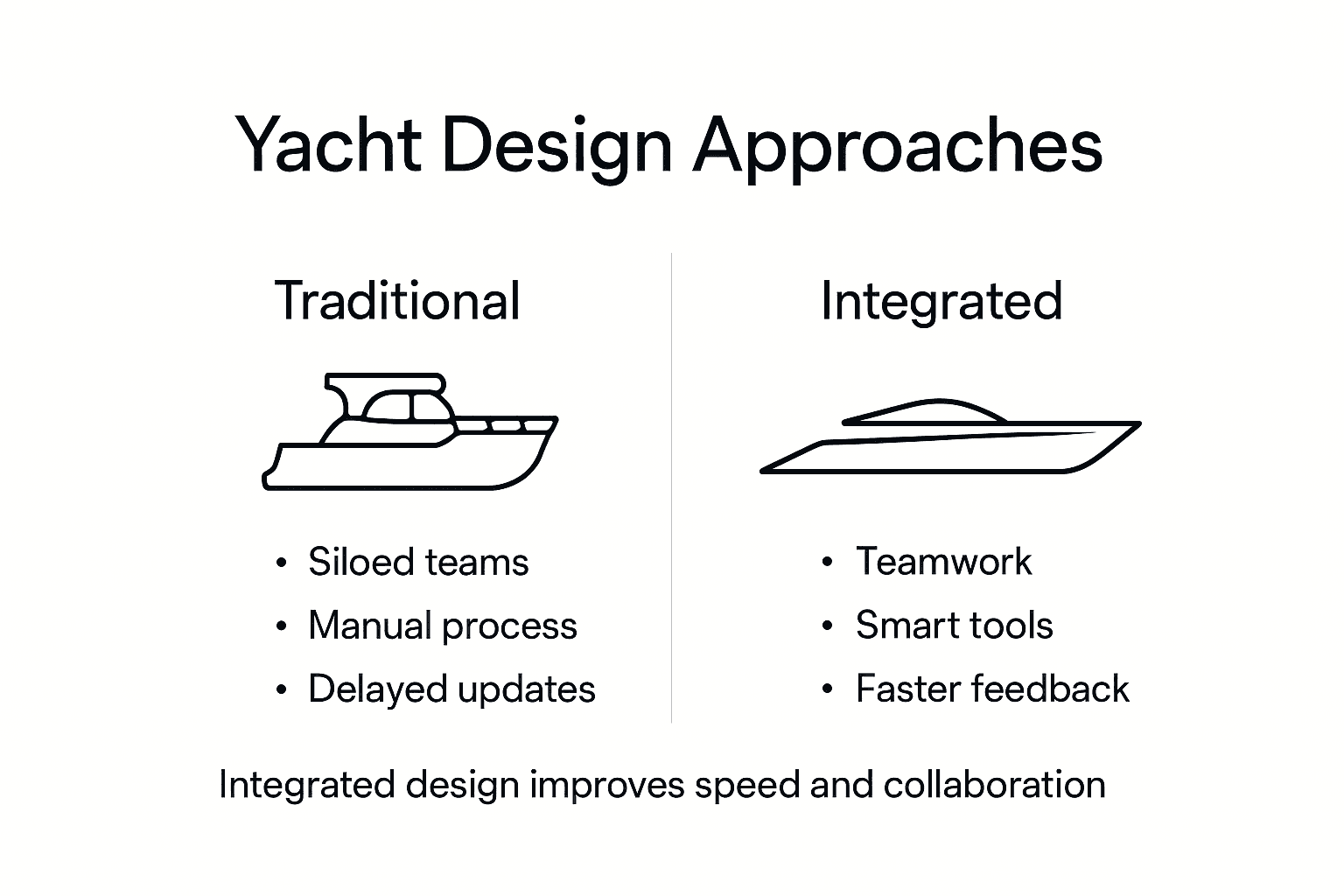
Traditional yacht design methodologies have long been characterized by linear, segmented approaches where different design teams work in isolation, creating significant communication barriers and inefficiencies. In contrast, comprehensive comparative research demonstrates that integrated design methods fundamentally transform the entire yacht development ecosystem by enabling real-time collaboration, dynamic data sharing, and holistic problem solving.
The primary differences between traditional and integrated design methods are profound and multifaceted. Traditional approaches typically involve sequential workflows where naval architects, engineers, and interior designers work in distinct phases, with limited cross-communication. Integrated design methods, by contrast, create a dynamic, interconnected environment where all stakeholders simultaneously contribute, adapt, and optimize design elements. This collaborative approach dramatically reduces development time, minimizes errors, and allows for more innovative and sophisticated design solutions.
Key comparative points between traditional and integrated design methods include:
Communication efficiency
Data integration capabilities
Design iteration speed
Problem solving flexibility
Technological adaptability
Cost management precision
Environmental optimization potential
The evolution from traditional to integrated design represents more than a technological upgrade - it signifies a fundamental reimagining of how complex maritime engineering projects are conceptualized, developed, and executed. By breaking down historical silos and embracing collaborative technologies, integrated design methods enable a more holistic, responsive, and innovative approach to yacht development.
Here is a summary highlighting how integrated yacht design improves outcomes across key dimensions:
Area of Impact | Traditional Design | Integrated Design |
Communication Flow | Sequential, prone to silos | Real-time, cross-discipline |
Design Iteration Speed | Slow, phase-by-phase | Fast, continuous feedback |
Error Rate | Increased due to miscommunication | Reduced through transparency |
Innovation Potential | Limited by rigid workflows | Maximized via collaboration |
Cost Efficiency | Accumulative prototype expenses | Optimized by virtual testing |
Regulatory Adaptation | Reactive, after main design | Proactive, integrated compliance |
Pro tip: Request comprehensive workflow visualization from potential design partners to understand their specific integrated design methodology and collaboration approach.
Discover Next-Level Yacht Innovation with Opalinski Design House
Integrated yacht design challenges traditional luxury yacht creation by demanding seamless collaboration, advanced technology, and personalized solutions**. If you are navigating the complexities of combining cutting-edge digital modeling, sustainability, and customization to craft your dream yacht, Opalinski Design House stands ready to transform your vision into reality. Our expertise with groundbreaking patented features like fold-down transoms and rotational bulkheads aligns perfectly with the article’s emphasis on smart integration and iterative design workflows.
Explore how our unique approach to innovative yacht design overcomes the typical pitfalls of isolated workflows and regulatory complexity. Embrace the future of luxury naval architecture by partnering with a studio that values collaboration, environmental responsibility, and tailored owner experiences. Visit Opalinski Design House today to request a personalized consultation and start your journey toward owning a truly exceptional vessel that fuses technology, artistry, and sustainability into every detail.
Frequently Asked Questions
What is integrated yacht design?
Integrated yacht design is a holistic approach to yacht building that emphasizes collaboration and seamless data sharing across multiple disciplines, including naval architecture, engineering, and interior design. This method contrasts with traditional segmented design processes, resulting in improved efficiency and innovation.
How does integrated yacht design improve communication between teams?
Integrated yacht design fosters real-time collaboration where all stakeholders—including architects, engineers, and designers—work together simultaneously. This interconnected environment minimizes communication barriers and enhances the flow of information, leading to quicker problem-solving and design iterations.
What technological innovations are central to integrated yacht design?
Key technologies in integrated yacht design include advanced computational modeling, artificial intelligence for design optimization, digital twin simulations for performance prediction, and parametric design tools. These innovations allow for real-time testing and refinement of yacht designs, enhancing creativity and precision.
How can sustainability be achieved in yacht design?
Sustainability in yacht design is pursued by integrating eco-friendly materials and energy-efficient systems, such as hybrid propulsion and solar power. Designers focus on minimizing environmental impact while delivering luxury and performance, creating a yacht that meets both owner expectations and ecological standards.
Recommended

Comments