
Master the Yacht Interior Styling Workflow Easily
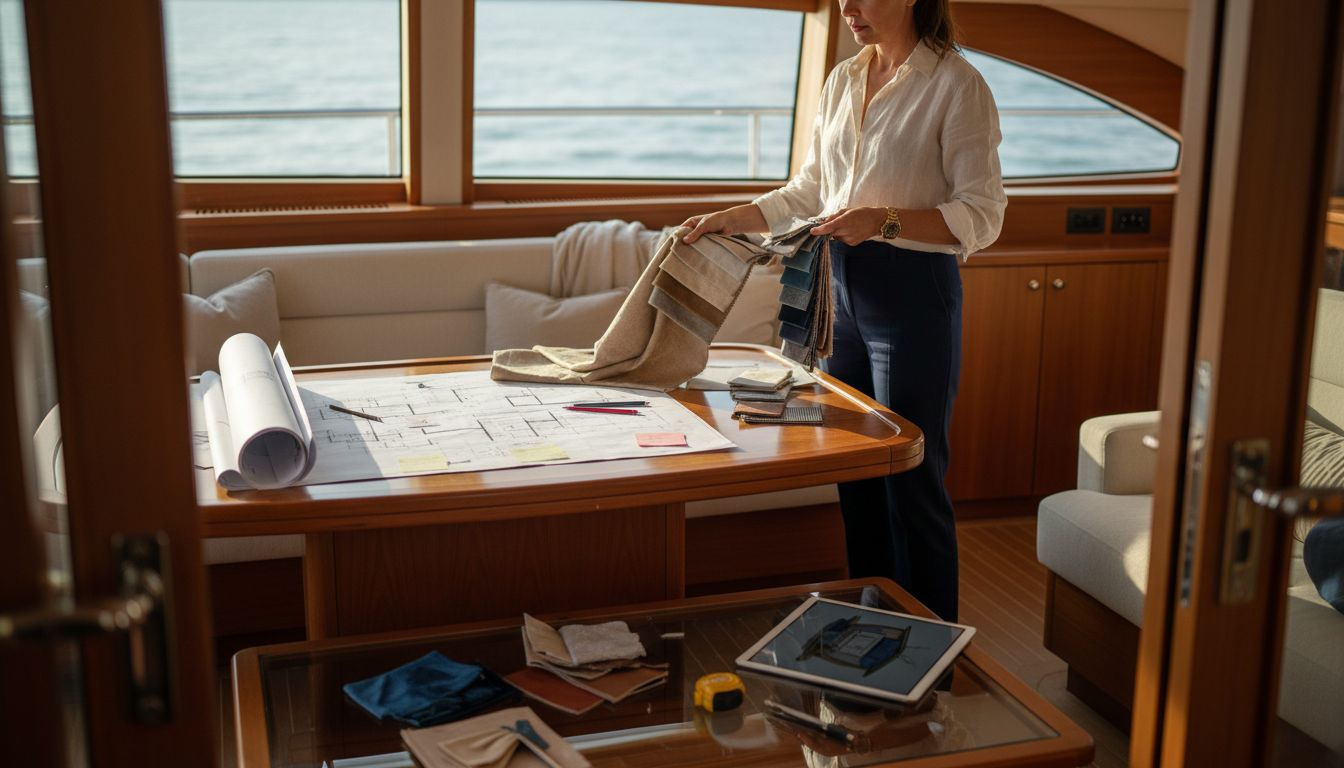
Most American yacht owners expect every detail in their interiors to reflect not just luxury, but also a distinct sense of personal style. The growing demand for customized yacht spaces shows that cookie cutter solutions no longer satisfy. If you want to deliver unforgettable interiors—whether for comfort, function, or aesthetics—you need a clear, strategic process. This guide reveals proven steps that help you define a client’s vision, select the right materials, and create truly bespoke yacht environments.
Table of Contents
Quick Summary
Key Point | Explanation |
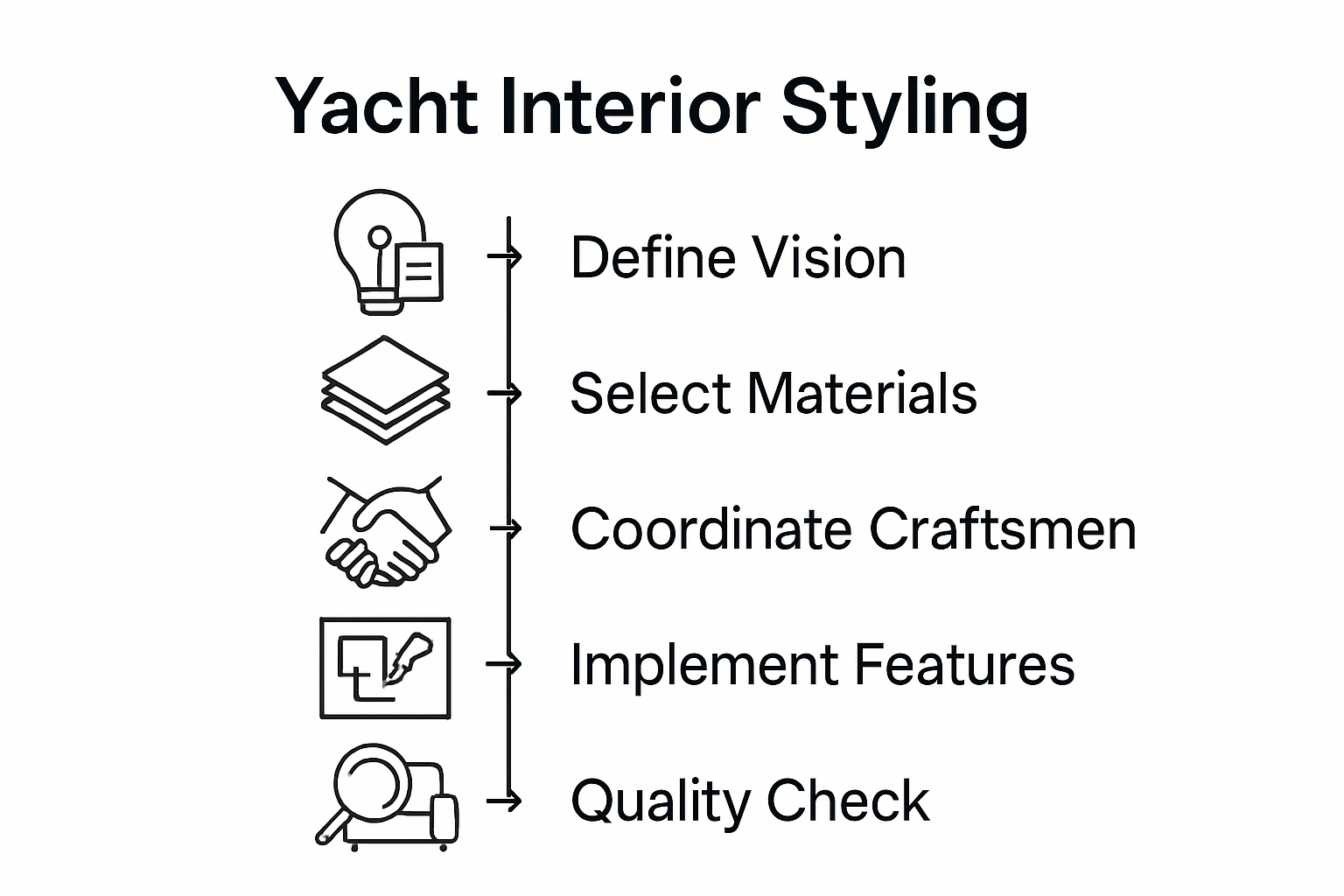
1. Establish a Clear Design Vision | Define your client’s aesthetic and lifestyle needs through thorough consultations and documentation, creating a solid design roadmap. |
2. Choose High-Quality Marine Materials | Select durable, moisture-resistant materials that cater to the yacht environment, ensuring both aesthetics and longevity in design. |
3. Collaborate with Skilled Craftsmen | Engage experienced artisans familiar with marine conditions to ensure precision and quality in craftsmanship during the implementation phase. |
4. Integrate Custom Features Thoughtfully | Focus on bespoke design elements that enhance functionality while reflecting your client’s unique personality and lifestyle preferences. |
5. Conduct a Detailed Quality Check | Verify every aspect of the finished design against original specifications, ensuring functionality and aesthetic integrity before client presentation. |
Step 1: Define design vision and client preferences
Defining your yacht interior design vision starts with understanding your client’s unique aesthetic expectations and lifestyle requirements. This critical first step transforms abstract desires into a concrete design roadmap that will guide every subsequent decision.
To successfully capture client preferences, you’ll want to conduct a comprehensive consultation that goes beyond surface level discussions. Research suggests adopting an empathetic design approach that treats clients as co-creators, which means actively listening and stimulating their creative input. Begin by preparing a detailed questionnaire that explores not just visual preferences, but emotional connections to spaces. Ask about their favorite colors, textures they find comforting, and lifestyle activities they want to accommodate on their yacht.
Utilizing advanced techniques like fuzzy logic and image processing can help quantify aesthetic preferences more precisely, allowing you to translate subjective desires into actionable design parameters. Invite clients to share reference images, mood boards, and personal artifacts that reveal their aesthetic sensibilities. Pay attention to the nuanced details they highlight the stories behind their choices. Are they drawn to minimalist scandinavian designs or opulent mediterranean styles? Do they prefer warm earthy tones or cool contemporary palettes?
Pro tip: Always document these initial conversations meticulously. A comprehensive design vision document will serve as your north star throughout the yacht interior styling process, ensuring every design decision remains true to the client’s original intent.
With a clear design vision established, you’re now ready to move into the conceptual sketching and preliminary design development phase.
Step 2: Select premium materials and furnishings
Selecting the right materials and furnishings for a yacht interior is an art form that balances aesthetic elegance with uncompromising marine performance. Your goal in this step is to curate a collection of materials that not only look stunning but can withstand the challenging maritime environment.

Navigating the complex world of marine interior materials requires a strategic approach that considers durability, weight, moisture resistance, and visual appeal. Start by understanding the unique challenges of marine environments wooden surfaces need to resist saltwater corrosion, fabrics must repel moisture and prevent mildew, and metals require special treatments to prevent oxidation. When evaluating woods, prioritize marine grade teak, mahogany, and white oak which offer exceptional resistance to marine conditions while providing luxurious aesthetics. For upholstery, look for performance fabrics treated with marine protective coatings that can withstand UV exposure, saltwater splashes, and frequent cleaning.
Consider the functional zones within the yacht when selecting materials each area demands a nuanced approach. Deck areas require non slip surfaces with high durability, while interior lounges can showcase more delicate and luxurious materials. Create material boards that combine textures and finishes select lightweight composites for structural elements, incorporate high end leathers for seating, and use marine grade stainless steel for hardware and accent details. Always request material samples and conduct thorough testing natural light conditions and simulated marine environments will reveal how these materials perform over time.
Pro tip: Never compromise on material quality. Investing in premium marine grade materials might seem expensive initially but will save significant maintenance costs and preserve the yacht interior aesthetic for years.
With your premium materials selected, you are now prepared to develop detailed design renderings and specifications for fabrication.
Step 3: Coordinate with specialized craftsmen and suppliers
Coordinating with specialized craftsmen and suppliers is the critical bridge between your design vision and its extraordinary physical realization. This step transforms your conceptual yacht interior design into a meticulously crafted reality that demands precision, expertise, and strategic collaboration.
Comprehensive yacht interior design training emphasizes the importance of effective collaboration with skilled artisans who can translate complex design specifications into exceptional craftsmanship. Begin by creating detailed technical drawings and material specifications that communicate your exact requirements. Seek out craftsmen who specialize in marine environments and understand the unique challenges of yacht interior construction. Look for professionals with proven experience in custom woodworking, upholstery, metalwork, and marine grade finishing techniques. Your ideal team should combine traditional craftsmanship with advanced technical skills specific to maritime design.
Successful yacht interior design requires strategic coordination between designers and specialized suppliers to ensure both functional performance and aesthetic excellence. Develop comprehensive request for proposal documents that outline precise material specifications, quality standards, and performance requirements. Schedule in person consultations and workshop visits to assess the capabilities of potential craftsmen and suppliers. Request detailed portfolios, material samples, and prototype demonstrations that showcase their expertise in marine grade fabrication. Pay close attention to their understanding of maritime engineering constraints such as weight distribution, moisture resistance, and structural integrity.
Pro tip: Always maintain open communication channels with your craftsmen. Regular site visits, detailed progress reports, and collaborative problem solving will help prevent misunderstandings and ensure your design vision remains intact throughout the fabrication process.
With your specialized team assembled and aligned, you are now ready to move into the detailed fabrication and implementation phase of your yacht interior design.
Step 4: Implement styling elements and custom features
Implementing styling elements and custom features is where your yacht interior design transforms from a conceptual blueprint into a breathtaking, personalized living space. This stage demands a delicate balance between creative vision, functional innovation, and meticulous attention to detail.
Yacht interior design requires seamlessly integrating unique styling elements that combine aesthetics, ergonomics, and modern innovations to create an extraordinary living environment. Begin by focusing on bespoke features that elevate the interior beyond standard design conventions. Consider custom built storage solutions that maximize space efficiency while maintaining elegant visual lines. Explore innovative technology integrations like hidden entertainment systems, intelligent lighting controls, and climate management interfaces that can be seamlessly embedded into the interior architecture. Pay special attention to transition spaces transforming typical corridors and passageways into sculptural design experiences that tell a cohesive visual narrative.
Custom features should reflect both functional requirements and the client’s unique personality. Develop signature design elements that become conversation pieces while serving practical purposes. This might include hand crafted wood inlays that double as navigation displays, modular furniture systems that adapt to changing onboard needs, or integrated wellness zones that blur the lines between living spaces and personal retreat areas. Collaborate closely with your specialized craftsmen to ensure each custom feature meets exacting standards of marine engineering performance while delivering uncompromising aesthetic impact.
Pro tip: Document every custom feature with detailed technical drawings and performance specifications. These records will be invaluable for future maintenance, potential modifications, and preserving the design legacy of the yacht interior.
With styling elements and custom features now integrated, you are prepared to conduct final refinements and quality assurance checks.
Step 5: Verify quality and assess final presentation
Verifying quality and assessing the final presentation of your yacht interior design represents the critical culmination of your entire creative journey. This final stage transforms your meticulous planning into a tangible masterpiece that must meet the most exacting professional standards.
Comprehensive interior design strategies demand rigorous assessment of user experience, ergonomics, sustainability, and technological integration to ensure exceptional quality. Conduct a systematic walkthrough of the entire yacht interior, examining each element with a forensic level of detail. Evaluate spatial relationships, checking how different design zones interact and flow. Test every custom feature for smooth functionality light switches, storage mechanisms, technological interfaces and verify they operate seamlessly under various maritime conditions. Pay special attention to how materials respond to potential environmental stressors like humidity, temperature fluctuations, and constant motion.
Advanced generative AI technologies can now help designers verify design accuracy and alignment with original specifications, offering an additional layer of quality assurance. Leverage digital rendering tools to compare the physical implementation against your original design concepts. Look for precise alignment between planned and executed details color consistency, material texture, joinery precision. Engage your client in a comprehensive review process, walking them through each design element and soliciting their feedback. Create a comprehensive documentation package that includes technical specifications, material certifications, installation records, and maintenance guidelines.
Pro tip: Photograph and document every detail during the final verification process. These records serve not just as a project archive but as a potential reference for future design iterations and maintenance protocols.
With quality verification complete, you are now ready to deliver the final yacht interior design to your client.
Elevate Your Yacht Interior Styling Journey with Proven Experts
Mastering the yacht interior styling workflow requires not only a clear design vision but also flawless coordination with specialized craftsmen and premium material selection. This process can be overwhelming as you balance aesthetics, marine durability, and innovative custom features to perfectly fulfill your unique lifestyle and aesthetic expectations. The challenge lies in translating your vision into a luxurious, functional space that withstands the demanding marine environment while reflecting your personality.
At Opalinski Design House, we understand these key pain points deeply. Our team excels at integrating cutting-edge technology with bespoke naval architecture to create interiors that are both stunning and engineered for peak performance. Whether you seek to implement advanced styling elements, coordinate with expert craftsmen, or verify quality down to the smallest detail, our history of industry-changing innovations—such as the patented fold-down transoms—and personalized service ensures your yacht interior design journey is smooth and exceptional.
Discover how you can bring your luxury yacht interior vision to life with a partner who prioritizes your goals and delivers next-level craftsmanship. Visit Opalinski Design House today to explore our portfolio and innovative solutions. Take the first step toward a custom yacht interior design experience tailored precisely to your needs by contacting us now.
Frequently Asked Questions
What are the first steps to define a yacht interior design vision?
To define a yacht interior design vision, start by conducting a detailed consultation with your client to understand their aesthetic preferences and lifestyle requirements. Prepare a comprehensive questionnaire to explore their favorite colors, materials, and desired functionalities within the yacht, ensuring every conversation is documented for future reference.
How can I select the right materials for yacht interiors?
Selecting materials for yacht interiors requires you to prioritize durability and moisture resistance. Focus on premium marine-grade options, such as teak and specialized performance fabrics, and create material boards to visualize combinations that suit different functional zones in the yacht.
What role do specialized craftsmen play in yacht interior design?
Specialized craftsmen are crucial as they translate your design vision into reality with precise craftsmanship. Collaborate closely with skilled artisans experienced in marine environments, ensuring you provide them with detailed technical drawings and clear material specifications to guide the construction process.
How can I integrate custom features into a yacht’s interior?
Integrating custom features involves focusing on bespoke solutions that enhance functionality while reflecting the client’s personality. Collaborate with craftsmen to develop unique design elements, such as custom storage or hidden technology, ensuring they align with the yacht’s marine engineering standards.
What steps should I take during the quality verification process?
During quality verification, conduct a systematic walkthrough of the yacht interior to assess each design element with meticulous attention to detail. Test the functionality of custom features and document everything thoroughly, as this will be essential for future maintenance and potential modifications.
Recommended
Complete Crochet Home Decor Guide for Cozy Spaces – CRAFTISS
How to Curate an Artbook for Collectors and Creators – The Mansion Press

Comments