
What Is Yacht Design and Its Transformative Impact
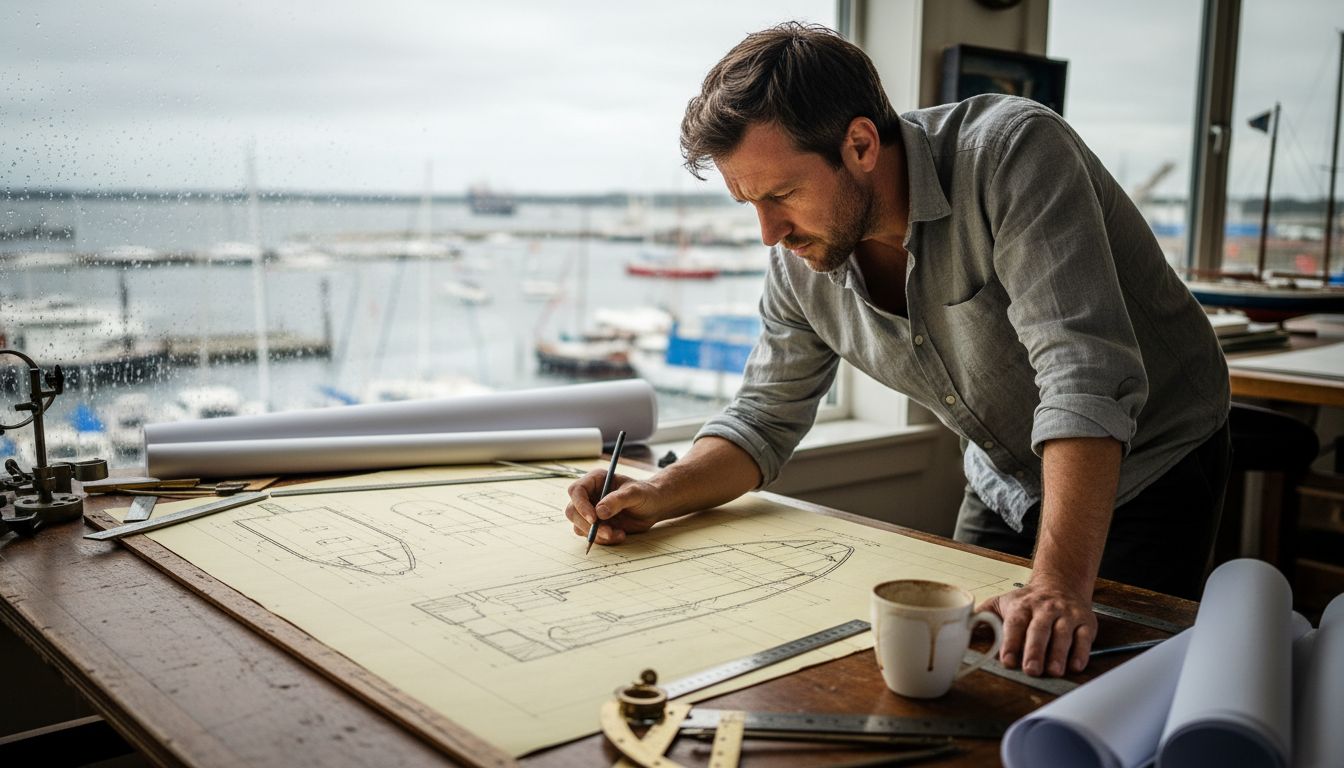
Every American yacht enthusiast knows that true luxury on the water requires more than just sleek looks. Yacht design is a fusion of high-level engineering and artistry, where every detail affects safety, speed, and comfort. With over 5,000 new yachts registered in the United States annually, understanding the fundamentals behind design choices can make all the difference for anyone interested in these extraordinary vessels. This overview highlights what sets exceptional yacht design apart and why it matters for both performance and personal satisfaction.
Table of Contents
Key Takeaways
Point | Details |
Yacht Design Principles | Yacht design balances artistic vision with engineering, focusing on hull geometry, structural integrity, and performance dynamics to create high-performance vessels. |
Yacht Categories | Understanding the primary categories of yachts—Motor Yachts and Sailing Yachts—is crucial, as each type involves unique design considerations and performance metrics. |
Modern Design Elements | Contemporary yacht design leverages advanced materials and technologies, including Computational Fluid Dynamics, to enhance structural integrity and optimize performance. |
Design Process | The yacht design process is iterative, involving stages from conceptual design to validation, requiring collaboration across multiple engineering disciplines. |
Defining Yacht Design and Its Core Principles
Yacht design represents a sophisticated blend of artistic vision and precise engineering, transforming maritime transportation into a harmonious intersection of form and function. At its core, yacht design encompasses the comprehensive process of conceptualizing, planning, and creating watercraft that balance aesthetic appeal with technical performance. Principles of yacht design involve intricate considerations across multiple disciplines, including naval architecture, hydrodynamics, structural engineering, and advanced materials science.
The fundamental principles of yacht design extend far beyond simple aesthetic considerations. Professionals in this field must masterfully integrate complex technical requirements with innovative design strategies. Hull geometry plays a critical role, determining a vessel’s stability, speed, and overall maritime performance. Naval architects meticulously analyze hydrodynamic research to optimize vessel shapes that minimize resistance, maximize efficiency, and ensure exceptional seaworthiness. Key design considerations include:
Structural Integrity: Ensuring vessel strength and durability
Performance Dynamics: Analyzing speed, maneuverability, and energy efficiency
Stability Calculations: Measuring vessel behavior under various maritime conditions
Material Selection: Choosing advanced composites and lightweight materials
Advanced yacht design demands a multidisciplinary approach that synthesizes engineering precision with creative problem solving. Designers must consider not just the vessel’s immediate functionality, but also long term performance, environmental sustainability, and the unique preferences of individual clients. By combining rigorous scientific principles with artistic innovation, yacht designers transform complex maritime engineering challenges into elegant, high-performance watercraft that represent the pinnacle of nautical achievement.
Types of Yachts and Category Distinctions
Yacht classifications represent a complex and diverse spectrum of watercraft, each designed to meet specific maritime needs and preferences. The yacht universe encompasses a wide range of vessel types, distinguished by their purpose, size, propulsion method, and intended use. From sleek racing vessels to luxurious leisure craft, these categories reflect the nuanced world of maritime engineering and design.
Motor Yachts and Sailing Yachts form the two primary foundational categories in yacht design. Sailing yacht classifications reveal intricate distinctions between vessels optimized for racing, cruising, and recreational sailing. Motor yachts, powered by sophisticated engine systems, offer different performance characteristics and design considerations compared to wind-powered sailing vessels. The primary yacht categories include:
Motor Yachts: Powered by internal combustion engines
Displacement hulls
Planing hulls
Semi-displacement designs
Sailing Yachts: Wind-powered vessels
Racing yachts
Cruising sailboats
Performance cruisers
Beyond these fundamental categories, yacht design further branches into specialized subcategories like superyachts, which represent the pinnacle of maritime luxury and technological innovation. These massive vessels typically exceed 79 feet in length and feature complex engineering, advanced navigation systems, and unprecedented levels of customization. Each yacht category demands unique design principles, engineering approaches, and performance metrics, reflecting the incredible diversity and sophistication of modern maritime vessel development.
Essential Elements of Modern Yacht Design
Modern yacht design represents an intricate fusion of cutting-edge technology, advanced materials science, and sophisticated engineering principles. Contemporary yacht design research reveals a complex landscape of technological innovation that goes far beyond traditional maritime construction techniques. The essential elements of modern yacht design encompass a holistic approach that integrates structural integrity, performance optimization, and aesthetic excellence.
The fundamental components of contemporary yacht design include several critical technological dimensions:
Computational Fluid Dynamics (CFD)
Advanced simulation modeling
Precise performance prediction
Aerodynamic and hydrodynamic analysis
Advanced Materials Engineering
Carbon fiber composites
High-strength lightweight materials
Corrosion-resistant alloys
Structural Optimization
Weight distribution analysis
Structural load calculations
Innovative hull geometry design
Navigating the intersection of art and science, modern yacht designers must balance technical performance with aesthetic sophistication. The integration of smart technologies, sustainable design principles, and advanced computational modeling has transformed yacht development into a multidisciplinary field that demands exceptional engineering expertise. Each design element represents a carefully calibrated compromise between speed, efficiency, comfort, and visual appeal, reflecting the remarkable complexity of contemporary maritime engineering.
The Yacht Design Process Step by Step
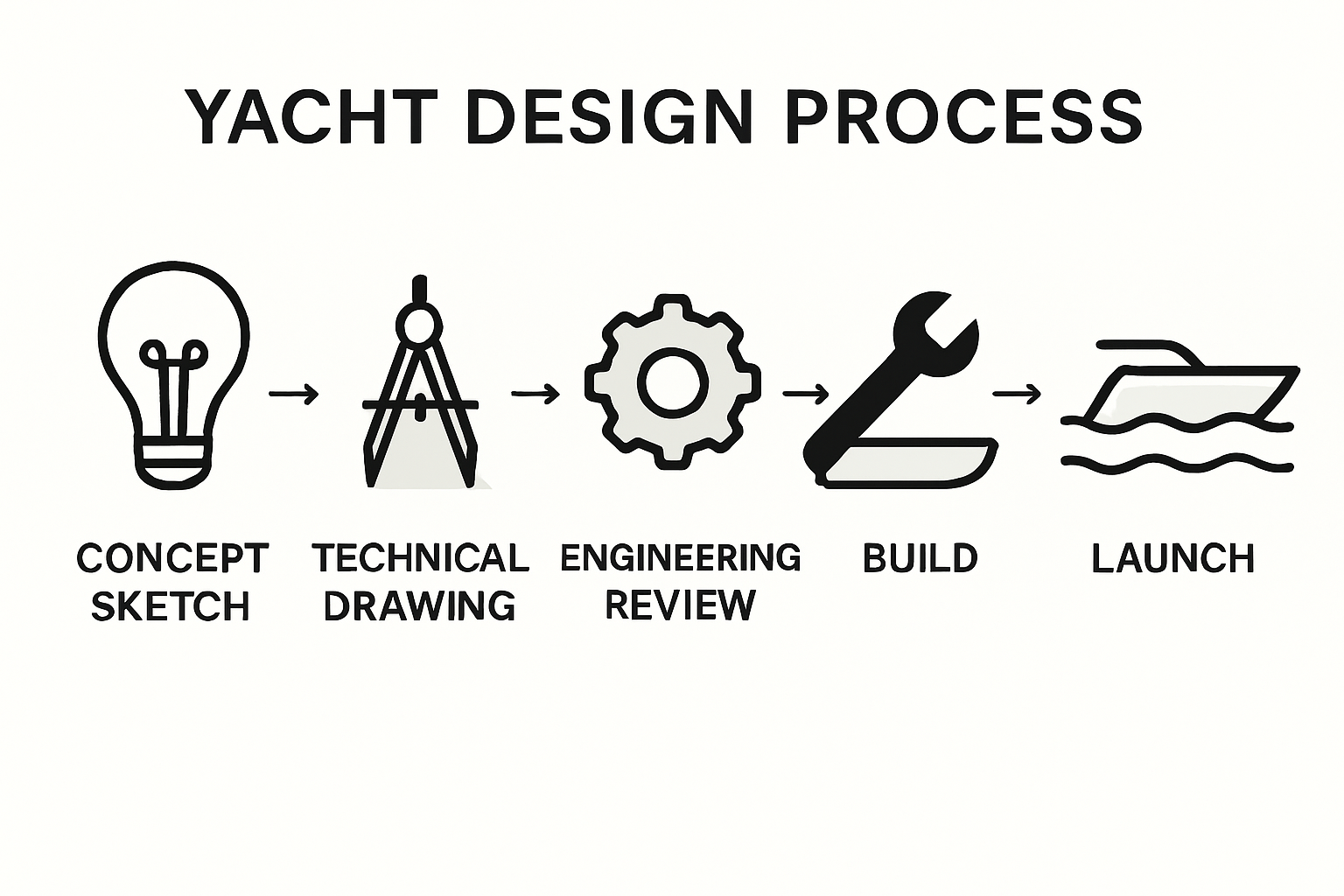
Yacht design methodology represents a meticulously structured journey that transforms initial conceptual ideas into sophisticated maritime vessels. This comprehensive process integrates creative imagination with rigorous engineering principles, requiring naval architects to navigate complex technical and aesthetic challenges. The design process is not linear but an iterative approach that demands continuous refinement and strategic problem solving.
The yacht design process typically unfolds through several critical stages:
Conceptual Design Phase
Client consultation and requirement gathering
Initial sketch development
Preliminary performance specifications
Conceptual 3D modeling
Technical Design Development
Detailed computational modeling
Hydrodynamic performance analysis
Structural integrity simulations
Material selection and engineering
Validation and Testing
Computational fluid dynamics (CFD) testing
Scale model wind tunnel evaluations
Structural load and stress analysis
Performance prediction modeling
Each stage of yacht design demands extraordinary precision and interdisciplinary collaboration. Naval architects must synthesize insights from multiple engineering domains, balancing technical requirements with aesthetic vision. The process transforms abstract concepts into tangible, high-performance vessels that represent the pinnacle of maritime engineering, seamlessly blending scientific rigor with creative innovation. From initial client discussions to final technical specifications, yacht design remains a testament to human ingenuity and technological sophistication.
Customization, Innovation, and Common Pitfalls
Yacht design represents a delicate balance between client vision and technical feasibility, where customization becomes the cornerstone of truly exceptional maritime engineering. The pursuit of personalized vessel design demands an intricate dance between aesthetic desires and structural constraints, challenging naval architects to transform abstract client dreams into tangible, seaworthy realities.
Key areas of yacht customization and potential innovation include:
Performance Optimization
Hull geometry modifications
Advanced propulsion system integration
Weight distribution refinements
Technological Innovations
Smart navigation systems
Sustainable energy solutions
Adaptive structural materials
Aesthetic Personalization
Custom interior layouts
Unique exterior styling
Personalized functional zones
Common pitfalls in yacht design frequently emerge from misaligned expectations and technical overreach. Designers must navigate complex challenges such as maintaining structural integrity while implementing radical customizations, managing client expectations against engineering limitations, and balancing aesthetic ambitions with practical maritime performance requirements. Successful yacht design demands not just technical expertise, but also exceptional communication skills, allowing naval architects to translate client visions into technically viable and aesthetically stunning maritime masterpieces that seamlessly blend innovation, functionality, and personal expression.
Elevate Your Vision with Innovative Yacht Design Solutions
Understanding the complexities of yacht design means recognizing the challenges of balancing structural integrity, hydrodynamic performance, and personalized aesthetics. If you seek to transform your vision into a cutting-edge, sustainable vessel that embodies both technical excellence and luxury, you are facing the exact expertise found at Opalinski Design House. Our pioneering innovations such as the patented fold-down bulkhead transom and rotational transom redefine yacht functionality and style for large vessels.
Discover how bespoke engineering meets artistic innovation through our comprehensive yacht design and naval architecture services. With a commitment to quality and customization, we turn intricate concepts into high-performance, elegant yachts tailored to your lifestyle. Visit Opalinski Design House to explore our portfolio and start your journey toward owning a masterpiece that surpasses traditional design limitations. Contact us today to receive a personalized quote and bring your dream yacht to life.
Frequently Asked Questions
What is yacht design?
Yacht design is the process of conceptualizing, planning, and creating watercraft that balances aesthetic appeal with technical performance, involving principles from naval architecture, hydrodynamics, and advanced materials science.
What are the core principles of yacht design?
The core principles of yacht design include structural integrity, performance dynamics, stability calculations, and material selection, all aimed at ensuring a vessel’s strength, efficiency, and seaworthiness.
How does the yacht design process work?
The yacht design process typically consists of several stages, including conceptual design, technical design development, and validation/testing, integrating creative ideas with rigorous engineering practices.
What types of yachts exist and how are they categorized?
Yachts are primarily categorized into motor yachts and sailing yachts, with further distinctions such as superyachts and various performance models, each designed for specific purposes and preferences.
Recommended
Stunning Yacht Outfits: Discover Your Best Look | Fashion & Style Tips | Fashion Feed| Coveti

Comments