
7 Best Practices in Yacht Design for Luxury and Innovation
- info27745
- Dec 24, 2025
- 9 min read
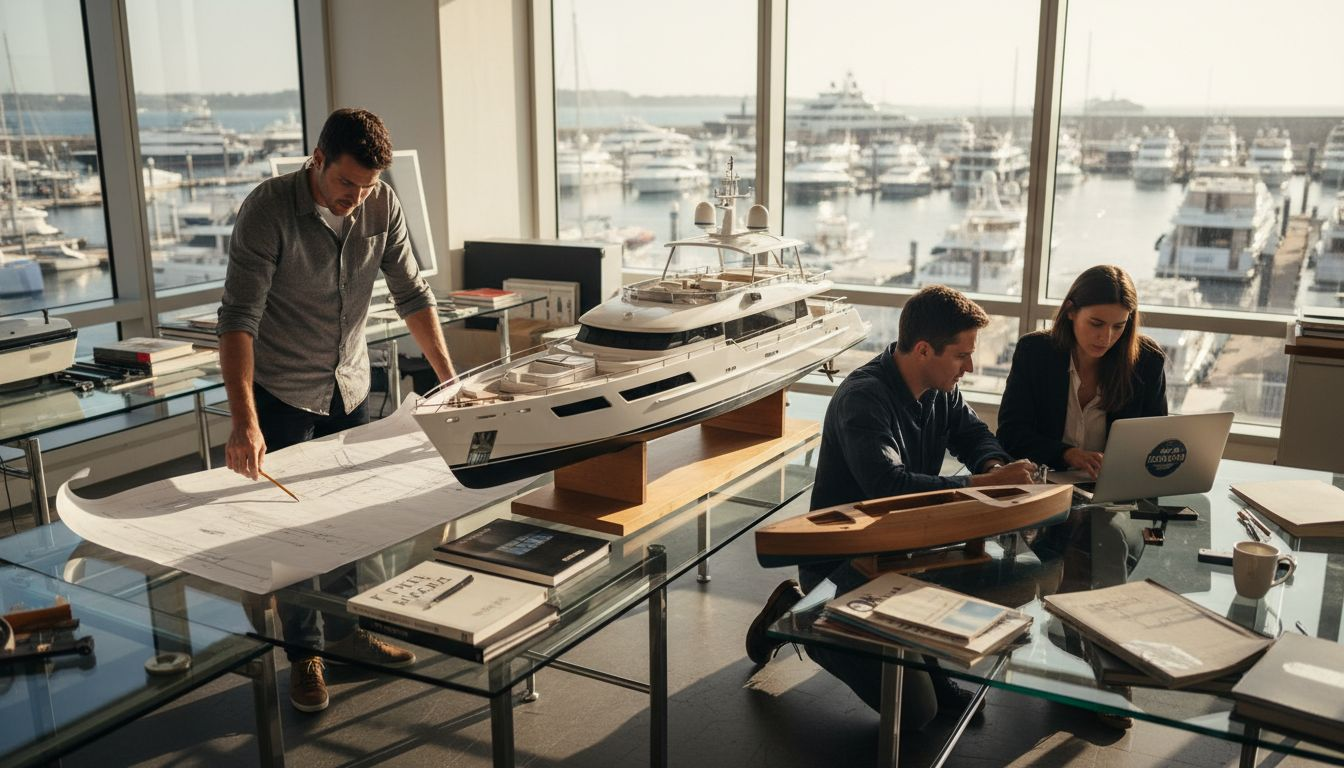
Bold innovation is redefining the luxury yacht experience, with American and European designers setting the pace for bespoke vessels that perfectly reflect individual lifestyles. As more high-net-worth owners demand seamless integration of sustainable materials and cutting edge technology, the yacht market has seen a surge in personalization. Today, custom-built yachts can include over 300 unique design features, tailored to every owner’s desire. Expect ideas here that combine unrivaled artistry, technological mastery, and environmental responsibility for the next generation of ocean living.
Table of Contents
Quick Summary
Key Message | Explanation |
1. Personalize Yacht Design for Owners | Tailor vessels to match each owner’s unique lifestyle and functional needs through comprehensive consultations and detailed understanding. |
2. Leverage Advanced Technologies | Integrate cutting-edge technologies like 3D printing and data modeling to enhance customization, reduce costs, and improve production efficiency. |
3. Integrate Sustainability in Design | Use sustainable materials and energy-efficient solutions that minimize environmental impact without sacrificing luxury or performance. |
4. Optimize Space for Comfort | Employ smart space planning to create multifunctional areas that adapt to various uses, enhancing both comfort and functionality. |
5. Foster Collaborative Teams for Innovation | Encourage collaboration among experts from diverse fields for holistic design solutions, ensuring technical and aesthetic excellence in yacht construction. |
1. Prioritize Personalized Design for Each Owner
Luxury yacht design transcends standard templates by creating a unique vessel tailored specifically to an owner’s lifestyle, preferences, and functional requirements. Innovative yacht design integrates both engineering and design disciplines to develop personalized solutions that reflect individual vision and needs.
Personalization begins with understanding the yacht owner’s specific objectives. This means going beyond aesthetic preferences to explore how they will actually use the vessel. Will it serve as an entertainment platform? A private retreat? A workspace for international business? Each design choice must align with the owner’s precise expectations.
The personalization process involves comprehensive consultations that map out detailed requirements. Naval architects and designers collaborate closely with clients to understand spatial needs, entertainment preferences, technological integrations, and comfort parameters. Custom design elements might include specialized storage solutions, unique entertainment zones, or bespoke technological interfaces.
Practical considerations like ergonomics, functionality, and personal workflow become central to the design strategy. A technology executive might require integrated communication spaces, while an adventure enthusiast could prioritize deck layouts optimized for water sports and exploration.
Pro tip: Schedule multiple design consultation sessions to capture nuanced personal preferences and ensure your yacht represents a true reflection of your individual lifestyle and aspirations.
2. Focus on Innovative Technologies and Patents
Modern yacht design demands more than aesthetic brilliance—it requires cutting edge technological integration and strategic innovation. Emerging technologies like additive manufacturing are fundamentally transforming yacht production methods, offering unprecedented opportunities for customization and engineering precision.
The landscape of yacht design is rapidly evolving through advanced digital technologies. Integrated design methodologies leverage computational modeling, data sharing platforms, and sophisticated simulation tools to create more efficient and optimized vessel designs. Comparing traditional and integrated design approaches reveals significant improvements in modeling flexibility and shape optimization.
Technological innovation extends beyond design processes into material science and manufacturing techniques. 3D printing, for instance, allows for intricate component creation that was previously impossible. Complex geometries, lightweight structural elements, and highly customized parts can now be produced with remarkable precision.
Patents play a crucial role in protecting these technological breakthroughs. Yacht designers who invest in research and develop unique technological solutions can secure intellectual property rights that distinguish their work in a competitive market. This approach not only protects innovation but also creates potential revenue streams through licensing and technology transfer.
Pro tip: Continuously monitor emerging technologies in marine engineering and allocate resources for experimental prototyping to stay ahead of design and technological trends.
3. Integrate Sustainable Materials and Solutions
Sustainability has become a critical driver in modern yacht design, transforming how luxury vessels are conceived, constructed, and experienced. Interior design strategies now prioritize sustainable solutions that enhance user experience and technological integration, signaling a profound shift in marine engineering approaches.
Sustainable yacht design encompasses more than environmental consciousness—it represents a holistic approach to material selection, energy efficiency, and long term performance. Designers are increasingly selecting advanced composite materials, recycled components, and low impact manufacturing processes that reduce environmental footprint without compromising structural integrity or aesthetic appeal.
Key sustainable strategies include incorporating renewable energy systems like solar panels, utilizing lightweight yet durable materials, and implementing advanced waste management technologies. Carbon fiber composites, bio based resins, and recyclable marine grade materials are becoming standard in progressive yacht design. These innovations not only minimize environmental impact but also improve vessel performance and operational efficiency.
Master yacht design students exploring innovative solutions at international maritime events demonstrate the industry’s commitment to pushing technological boundaries. Their research highlights emerging trends like modular design principles, energy recuperation systems, and intelligent material selection that balance luxury with environmental responsibility.
Pro tip: Consult sustainability experts during early design phases to integrate green technologies seamlessly, ensuring your yacht represents both cutting edge luxury and environmental stewardship.
4. Maximize Comfort with Smart Space Planning
Smart space planning transforms yacht interiors from mere living spaces into dynamic, adaptable environments that respond intuitively to an owner’s lifestyle and functional requirements. Interior design research emphasizes the critical importance of spatial solutions that prioritize functionality and comfort in marine settings.
Successful yacht design integrates sophisticated spatial strategies that maximize every square foot of available area. This means creating multifunctional zones that can seamlessly transition between different uses. A dining area might convert into a workspace, while sleeping quarters can incorporate flexible storage solutions that adapt to changing needs.
Innovative nautical architecture projects like Meraki demonstrate how design can create continuous flow between interior and exterior spaces, blurring traditional boundaries and expanding the perceived livable area. Advanced design techniques such as retractable furniture, modular partitions, and intelligent lighting systems enable owners to reconfigure spaces rapidly and effortlessly.
Ergonomic considerations are paramount in marine environments. Designers must account for vessel movement, limited square footage, and the unique challenges of maritime living. This involves creating stabilized storage solutions, implementing curved surfaces that follow natural body mechanics, and designing circulation paths that maintain balance and accessibility.
Pro tip: Work closely with naval architects during initial design phases to develop space planning strategies that optimize both visual aesthetics and functional performance across different maritime conditions.
5. Enhance Safety with Advanced Engineering
Safety in yacht design transcends basic structural considerations—it represents a comprehensive approach to engineering that anticipates and mitigates potential maritime risks. Yacht design programs emphasize rigorous technical design processes focused on structural integrity and performance optimization.
Advanced engineering involves multiple layers of safety considerations. This includes sophisticated hull design that enhances stability in challenging maritime conditions, advanced material selection for structural resilience, and integrated technological systems that provide real time monitoring and emergency response capabilities.
Comprehensive yacht design education ensures engineers develop holistic approaches to safety and functionality, integrating computational modeling, stress analysis, and predictive simulation techniques. Modern yacht safety systems incorporate advanced navigation technologies, redundant communication networks, and intelligent sensor arrays that can detect potential structural or environmental risks before they become critical.
Key safety engineering strategies include developing impact resistant hull designs, implementing advanced fire suppression systems, creating multiple evacuation routes, and designing structural components that can withstand extreme marine environments. These approaches require interdisciplinary collaboration between naval architects, marine engineers, materials scientists, and safety experts.
Pro tip: Conduct regular comprehensive safety audits and invest in ongoing crew training to complement advanced engineering design, ensuring that technological safety features are complemented by human expertise and preparedness.
6. Balance Performance and Aesthetics
Exceptional yacht design represents a delicate harmony between mechanical excellence and visual sophistication, where engineering prowess meets artistic expression. The Meraki project exemplifies how tradition can seamlessly dialogue with modern design principles, creating vessels that are both technically superior and visually breathtaking.
Balancing performance and aesthetics requires a multidimensional approach that goes beyond superficial considerations. Naval architects must understand how every design element influences hydrodynamic efficiency, structural integrity, and visual appeal. Materials are selected not just for their look, but for their weight distribution, stress resistance, and interaction with maritime environments.
Yacht design education emphasizes developing skills that integrate functional engineering with creative design sensibilities, ensuring designers can create vessels that perform exceptionally while maintaining elegant visual narratives. This means carefully analyzing hull lines, considering weight optimization, and understanding how aesthetic choices impact overall vessel performance.
Aesthetic considerations extend beyond external appearance into interior spaces. Designers must create environments that feel expansive and luxurious while maintaining structural efficiency. Smooth transitions between functional zones, strategic use of materials, and intelligent spatial planning become critical in achieving this delicate balance.
Pro tip: Collaborate with multidisciplinary teams during design conception, ensuring engineers, designers, and performance specialists contribute perspectives that create holistic yacht solutions.
7. Ensure Seamless Collaboration with Experts
World class yacht design emerges from strategic collaboration between diverse professional disciplines, creating solutions that transcend individual expertise. Professional training programs highlight the critical importance of connecting academic knowledge with industry insights.
Successful yacht design requires assembling multidisciplinary teams that bring specialized perspectives from naval architecture, marine engineering, materials science, ergonomics, and aesthetic design. Each expert contributes unique insights that collectively transform conceptual visions into extraordinary maritime experiences.
Industry events like the Cannes Yachting Festival demonstrate how direct professional engagement drives innovation, allowing designers to interact with technological pioneers, materials specialists, and performance engineers. These interactions create opportunities for knowledge exchange that push technological boundaries and challenge conventional design thinking.
Effective collaboration involves establishing clear communication protocols, creating shared digital platforms for design iteration, and fostering an environment of mutual respect where technical expertise can be openly shared. This means developing integrated workflows that allow seamless information exchange between naval architects, engineers, interior designers, and manufacturing specialists.
Pro tip: Implement robust project management tools that facilitate real time communication and design tracking, ensuring every team member can contribute their specialized knowledge efficiently and transparently.
Below is a comprehensive table summarizing the main strategies and considerations in luxury yacht design as discussed in the article.
Strategy | Implementation | Expected Results |
Prioritize Personalized Design | Conduct comprehensive consultations to understand the owner’s lifestyle and needs. | Creates a yacht uniquely tailored to individual preferences and functional requirements. |
Focus on Innovative Technologies | Integrate emerging technologies and protect innovations with patents. | Enhances customization, engineering precision, and competitive advantage. |
Integrate Sustainable Materials | Use recycled components, renewable energy systems, and low-impact methods. | Reduces environmental footprint and improves vessel performance. |
Maximize Comfort with Smart Space Planning | Utilize multifunctional zones and ergonomic designs. | Transforms interiors into adaptable environments enhancing comfort and functionality. |
Enhance Safety with Advanced Engineering | Implement hull designs, fire suppression systems, and technological safety systems. | Ensures structural integrity and anticipates maritime risks efficiently. |
Balance Performance and Aesthetics | Collaborate on materials and design to merge engineering with visual appeal. | Achieves a harmonious blend of functionality and sophisticated design. |
Ensure Seamless Collaboration with Experts | Foster multidisciplinary teamwork and use robust communication tools. | Facilitates innovation and creates exceptional solutions across expertise areas. |
Elevate Your Yacht Design Experience with Personalized Innovation
Designing a luxury yacht today involves balancing personalization, cutting-edge technology, and sustainability while maximizing comfort and safety. If you seek a vessel that truly reflects your lifestyle and visions, the challenges described in “7 Best Practices in Yacht Design for Luxury and Innovation” resonate deeply. From embracing patented solutions like fold-down transoms to integrating advanced materials and smart space planning, addressing these complex needs requires expertise and creativity.
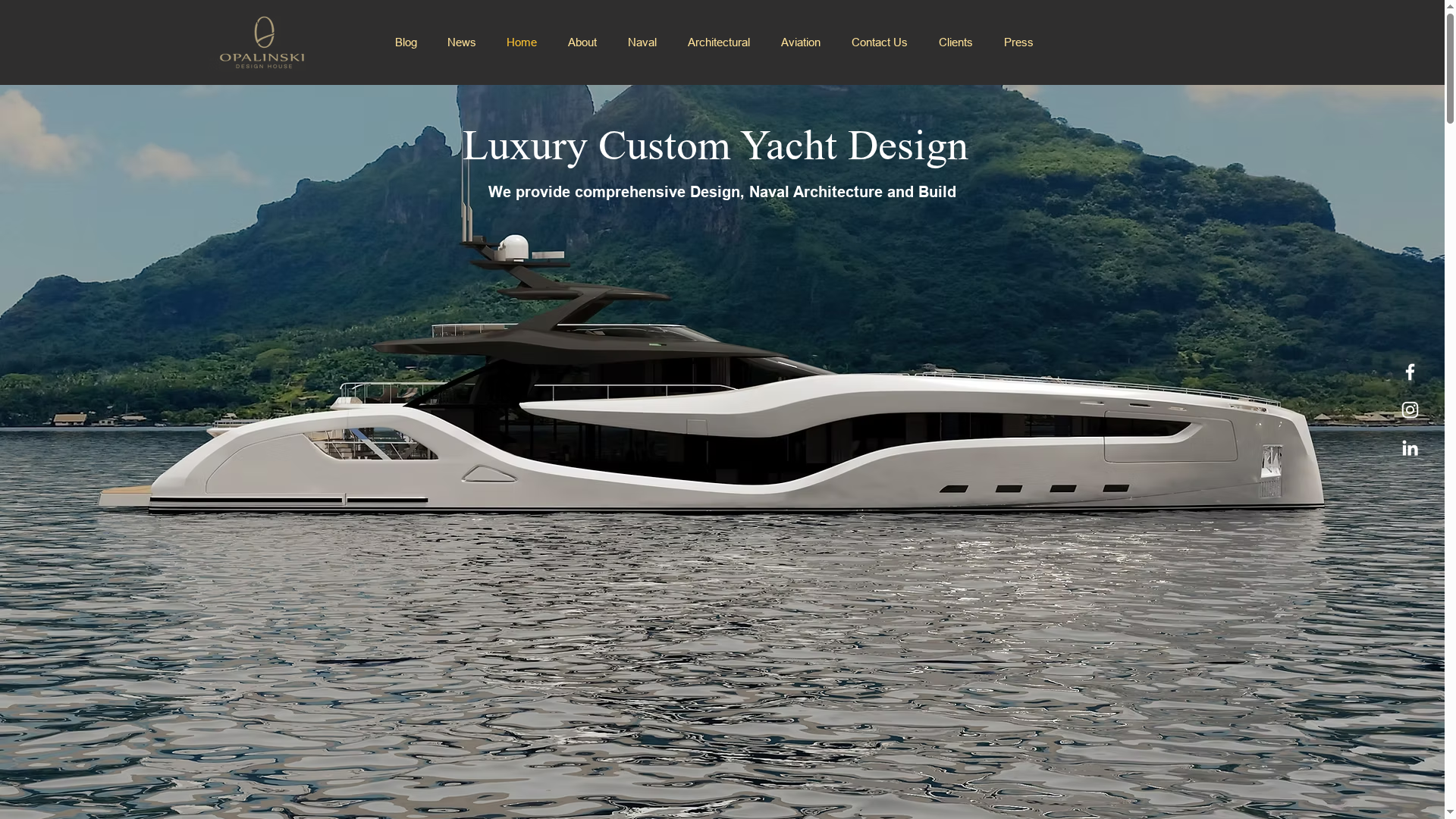
Opalinski Design House stands at the forefront of this era of innovation. With a proven history of transforming yacht design through bespoke naval architecture and patented technological features, we partner closely with clients to turn their aspirations into luxurious realities. Discover how our unique approach to yacht design, sustainability, and engineering excellence sets us apart and can elevate your next project.
Explore Our Expertise and start a conversation about creating your personalized, technologically advanced yacht today. Experience Our Innovations firsthand by reviewing our portfolio and patented designs. Don’t wait to make your ultimate luxury yacht vision come to life through the innovative solutions that only a leader in the industry can provide.
Frequently Asked Questions
What are personalized design elements in luxury yacht design?
Personalized design elements in luxury yacht design include tailored features that reflect an owner’s lifestyle, such as specialized storage solutions and unique entertainment zones. To begin creating personalized designs, schedule comprehensive consultations with a naval architect to define your specific needs and preferences.
How can innovative technologies enhance yacht design?
Innovative technologies improve yacht design by enabling advanced digital modeling, 3D printing, and integrated communication systems. Invest time in researching emerging technologies and consider incorporating 3D printing for custom components to enhance both performance and creativity in your yacht.
What sustainable materials should I consider for yacht design?
Sustainable materials such as advanced composites, recycled components, and bio-based resins are essential for modern yacht design. Work with design experts to select materials that maximize energy efficiency while minimizing environmental impact, aiming to integrate renewable energy solutions like solar panels.
How can smart space planning improve comfort on my yacht?
Smart space planning allows for the creation of multifunctional areas that can adapt to different uses, such as converting a dining space into a workspace. Engage with designers early in the process to discuss layout options that enhance comfort and aesthetic appeal across various maritime conditions.
What safety features are crucial in yacht engineering?
Crucial safety features in yacht engineering include advanced hull designs, real-time monitoring systems, and multiple evacuation routes. Conduct regular safety audits and collaborate with safety experts throughout the design process to ensure robust protective systems are in place.
How do I ensure successful collaboration with yacht design experts?
Successful collaboration with design experts is achieved through clear communication and the establishment of integrated workflows among all parties involved. Use project management tools to track progress and ensure that every expert’s input is valued and seamlessly incorporated into the design.
Recommended