
Creative Process in Yacht Design: Innovation to Impact

Over eighty percent of American yacht owners expect their vessels to stand out for both style and innovation. Creative yacht design matters because it merges artistry with high-level engineering to create floating spaces that reflect personal identity and lifestyle. In this guide, you will discover how American design principles blend advanced technology, environmental responsibility, and a deep understanding of client vision to shape truly remarkable yachts.
Table of Contents
Key Takeaways
Point | Details |
Holistic Design Approach | Successful yacht design integrates aesthetic innovation, functional performance, and advanced technology to create vessels that are both beautiful and efficient. |
Client Collaboration | Understanding and integrating client needs and lifestyle preferences are crucial for personalizing yacht design and ensuring satisfaction. |
Technological Integration | Utilizing advanced computational modeling and artificial intelligence is essential for developing innovative, efficient, and safe yacht designs. |
Sustainability Focus | Modern yacht design emphasizes eco-friendly materials and renewable energy systems, positioning environmental responsibility at the core of the creative process. |
Core Principles of Creative Yacht Design
Creative yacht design represents a sophisticated fusion of artistic vision and technical precision, transforming maritime engineering into extraordinary floating masterpieces. At its core, this discipline demands an intricate balance between aesthetic innovation, functional performance, and advanced technological integration. Naval architects must simultaneously consider multiple complex factors when conceptualizing vessel designs.
The fundamental principles of creative yacht design emerge from rigorous research and technological understanding. Principles of Yacht Design highlights critical considerations that guide contemporary design strategies. These key principles include:
Hydrodynamic Efficiency: Creating hull shapes that minimize water resistance
Structural Integrity: Ensuring vessels can withstand maritime environmental challenges
Ergonomic Space Planning: Designing interiors that maximize functionality and comfort
Sustainable Technology Integration: Incorporating environmentally conscious propulsion and energy systems
Successful yacht design transcends mere aesthetic appeal. It requires a holistic approach where engineering precision meets creative imagination. Designers must anticipate complex interactions between vessel geometry, material properties, and environmental conditions. By understanding these interconnected dynamics, naval architects can develop vessels that are not just transportation mechanisms, but floating expressions of technological artistry and human ingenuity.
The evolutionary journey of yacht design demonstrates an ongoing commitment to pushing technological boundaries. From traditional wooden constructions to contemporary carbon fiber composites, each design iteration represents a nuanced dialogue between human creativity and technological advancement. Modern yacht designers leverage advanced computational modeling, materials science, and aerodynamic principles to craft vessels that challenge conventional maritime engineering paradigms.
Stages of Concept Development and Ideation
The yacht design process begins with a complex and nuanced conceptualization stage that transforms abstract ideas into potential maritime realities. This initial phase requires naval architects to synthesize client aspirations, technological capabilities, and creative vision into a cohesive design framework. Strategic ideation involves multiple interconnected approaches that challenge traditional design boundaries and push technological innovation.
The concept development journey typically unfolds through several critical stages:
Client Vision Exploration
Initial consultation and detailed requirement gathering
Understanding aesthetic preferences and functional needs
Identifying performance expectations and lifestyle considerations
Preliminary Sketching and Conceptualization
Hand-drawn and digital preliminary design iterations
Rapid prototyping of initial geometric concepts
Exploring potential hull configurations and structural frameworks
Technical Feasibility Assessment
Computational fluid dynamics modeling
Structural integrity simulations
Performance projection and analysis
Successful yacht design demands a delicate balance between creative imagination and engineering precision. Designers must navigate complex technical constraints while maintaining the artistic essence of the vessel. Each conceptual iteration represents a sophisticated negotiation between aesthetic ambition and practical limitations.

Advanced computational tools have revolutionized the ideation process, enabling designers to simulate and refine concepts with unprecedented accuracy. Modern naval architects leverage sophisticated 3D modeling software, advanced materials science, and complex simulation technologies to transform initial sketches into highly detailed, technologically sophisticated design proposals. This approach allows for increasingly precise visualization and validation of design concepts before physical prototyping begins.
Integrating Client Vision and Lifestyle Needs
Custom yacht design represents a deeply personal journey of transforming individual dreams into tangible maritime experiences. Client collaboration stands at the heart of this intricate process, requiring naval architects to develop profound insights into the unique lifestyle, preferences, and aspirational contexts of each vessel owner. This approach transcends traditional design methodologies, positioning the client’s vision as the primary architectural catalyst.
The integration of client vision involves a multifaceted approach that encompasses several critical dimensions:
Personal Narrative Exploration
Understanding individual life experiences
Identifying emotional connections to maritime environments
Extracting nuanced lifestyle requirements
Functional Lifestyle Mapping
Analyzing entertainment preferences
Evaluating professional and recreational usage scenarios
Designing spaces that reflect personal aesthetic and practical needs
Customization Parameters
Technological integration preferences
Comfort and ergonomic considerations
Performance expectations aligned with personal objectives
Successful yacht design demands an almost intuitive understanding of how architectural spaces can reflect and enhance personal narratives. Designers must skillfully translate abstract client desires into concrete spatial configurations, creating environments that are simultaneously functional and emotionally resonant. This requires a delicate balance between technical precision and artistic interpretation, where every design element serves both practical and experiential purposes.
Modern yacht design has evolved into a highly personalized art form, where technological capabilities enable unprecedented levels of customization. Advanced computational modeling and materials science allow designers to create bespoke solutions that can adapt to increasingly complex and unique client requirements. From modular interior configurations to adaptive technological systems, contemporary yacht design represents a sophisticated dialogue between human aspiration and engineering innovation.
Cutting-Edge Technology and Engineering Solutions
The frontier of yacht design is increasingly defined by technological innovation that transforms traditional maritime engineering paradigms. Emerging technologies are reshaping how naval architects conceptualize, develop, and realize sophisticated vessel designs, pushing the boundaries of what was previously considered possible in maritime engineering.
Contemporary design methodologies now leverage advanced computational approaches to expand creative possibilities. The C-K design theory provides a revolutionary framework for organizing design reasoning, enabling designers to systematically generate unprecedented maritime solutions. This approach allows for:
Computational Design Strategies
Advanced simulation modeling
Predictive performance analytics
Complex geometric exploration
Artificial Intelligence Integration
AI-driven ideation systems for concept generation
Machine learning performance optimization
Intelligent design parameter analysis
Materials Science Innovations
Lightweight composite development
Adaptive structural configurations
Enhanced durability technologies
Innovative engineering solutions are fundamentally transforming yacht design from a purely aesthetic discipline into a sophisticated intersection of art, technology, and scientific precision. Designers now utilize complex computational tools that can simulate hydrodynamic performance, structural integrity, and environmental interactions with unprecedented accuracy. These technologies enable the creation of vessels that are not just visually stunning, but scientifically optimized for maximum efficiency and performance.
The future of yacht design lies in the seamless integration of human creativity and technological capability. Advanced computational modeling, artificial intelligence, and materials science are converging to create a new generation of maritime vessels that challenge traditional design limitations. From adaptive hull configurations to intelligent energy management systems, cutting-edge technology is redefining the potential of maritime engineering, transforming each yacht into a dynamic, responsive ecosystem of innovation.
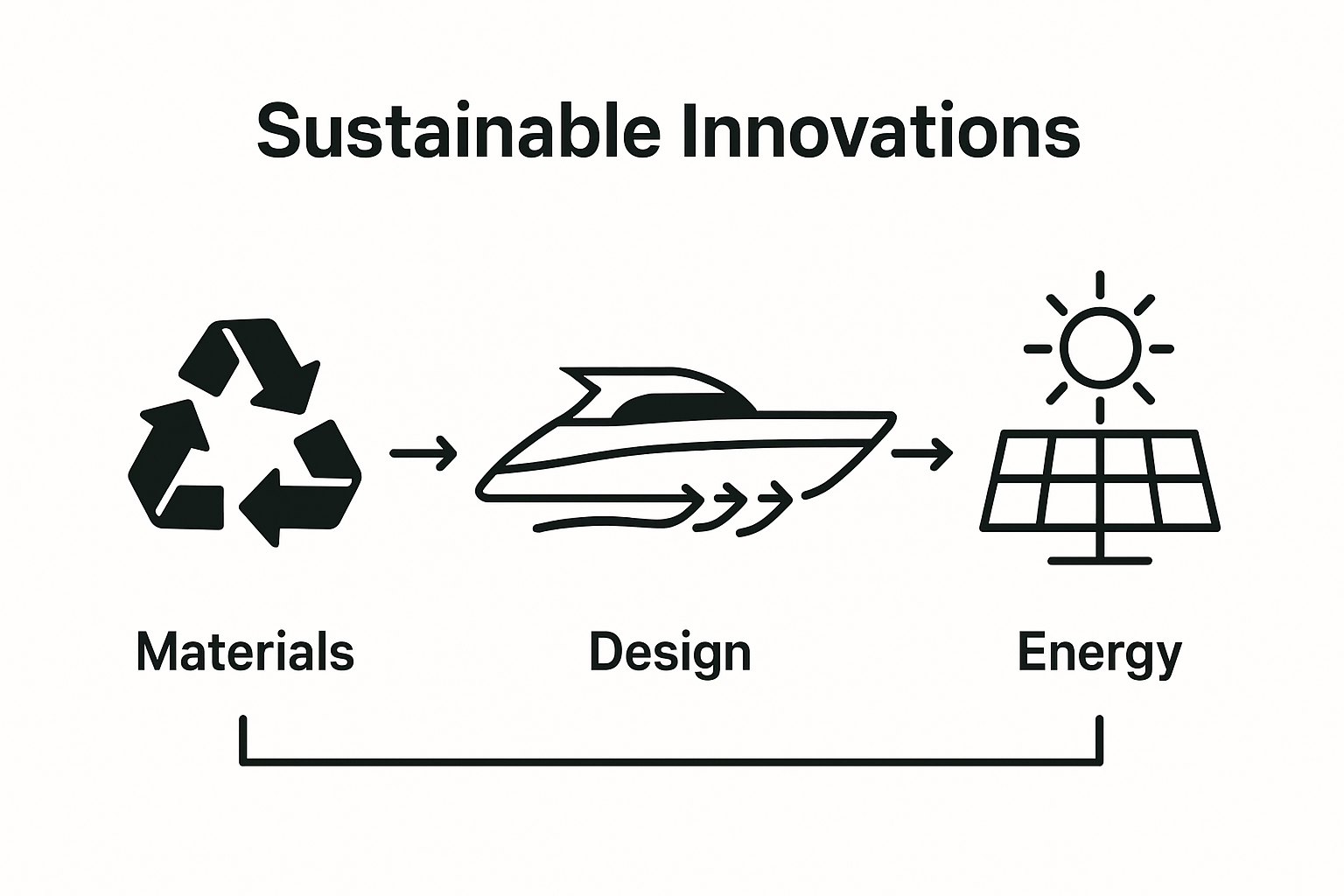
Sustainable Innovations and Material Choices
The contemporary yacht design landscape is experiencing a transformative shift towards sustainability, with ecological consciousness becoming a fundamental design principle rather than a peripheral consideration. Naval architects are now integrating environmental stewardship directly into the core of vessel conception, reimagining maritime engineering through the lens of ecological responsibility and advanced material science.
Sustainable yacht design encompasses multiple critical dimensions of environmental and technological innovation:
Renewable Energy Systems
Solar panel integration
Hybrid propulsion technologies
Regenerative power management
Advanced Ecological Materials
Recycled composite structures
Low-carbon manufacturing processes
Biodegradable internal components
Environmental Performance Metrics
Reduced carbon footprint designs
Minimal marine ecosystem disruption
Energy efficiency optimization
The evolution of sustainable yacht design represents a profound reimagining of maritime engineering principles. Designers are now developing vessels that not only minimize environmental impact but actively contribute to marine ecosystem preservation. Innovative material choices like carbon-neutral composites, advanced recyclable polymers, and lightweight structural configurations are enabling unprecedented levels of ecological performance without compromising design integrity or technological sophistication.
Future yacht design will increasingly blur the boundaries between technological innovation and environmental stewardship. By embracing regenerative technologies, circular design principles, and holistic ecological thinking, naval architects are creating a new generation of vessels that represent more than transportation mechanisms. These are living systems that embody a deep commitment to planetary health, demonstrating how human engineering can harmonize with natural systems to create truly sustainable maritime experiences.
Avoiding Pitfalls in Custom Yacht Projects
Custom yacht projects represent complex architectural endeavors where even minor miscalculations can result in significant financial and functional challenges. Strategic planning becomes paramount in navigating the intricate landscape of maritime design, requiring meticulous attention to detail and comprehensive foresight from initial conceptualization through final implementation.
Key potential pitfalls in custom yacht development include:
Communication Breakdowns
Misaligned expectations between client and design team
Insufficient documentation of specific requirements
Lack of transparent ongoing dialogue
Technical Design Challenges
Unrealistic performance specifications
Inadequate structural compatibility assessments
Overlooking environmental interaction dynamics
Financial Risk Management
Scope creep and budget overruns
Underestimating complexity of custom features
Hidden maintenance and operational costs
Successful yacht projects demand a proactive approach that anticipates potential complications before they manifest. Designers must develop comprehensive risk assessment frameworks that thoroughly evaluate technical feasibility, client expectations, and long-term operational sustainability. This requires deep technical expertise, psychological insight, and the ability to translate abstract client desires into pragmatic engineering solutions.
Navigating the complex terrain of custom yacht development requires a holistic perspective that balances creative vision with practical constraints. By implementing rigorous design protocols, maintaining transparent communication, and developing adaptive problem-solving strategies, naval architects can transform potential challenges into opportunities for innovative solutions. The most exceptional yacht designs emerge not from avoiding difficulties, but from developing the sophisticated technical and interpersonal skills necessary to overcome them with elegance and precision.
Elevate Your Vision with Expert Yacht Design Innovation
Navigating the complex journey from creative concept to impactful yacht design requires expertise that merges artistic imagination with engineering excellence. If you are striving to overcome challenges like balancing hydrodynamic efficiency, sustainable technology integration, and personalized lifestyle needs, discover how a partnership with a proven leader transforms ideas into extraordinary vessels. At Opalinski Design House you benefit from patented innovations like fold-down transoms and bespoke solutions that empower your yacht to perform flawlessly while showcasing cutting-edge design.
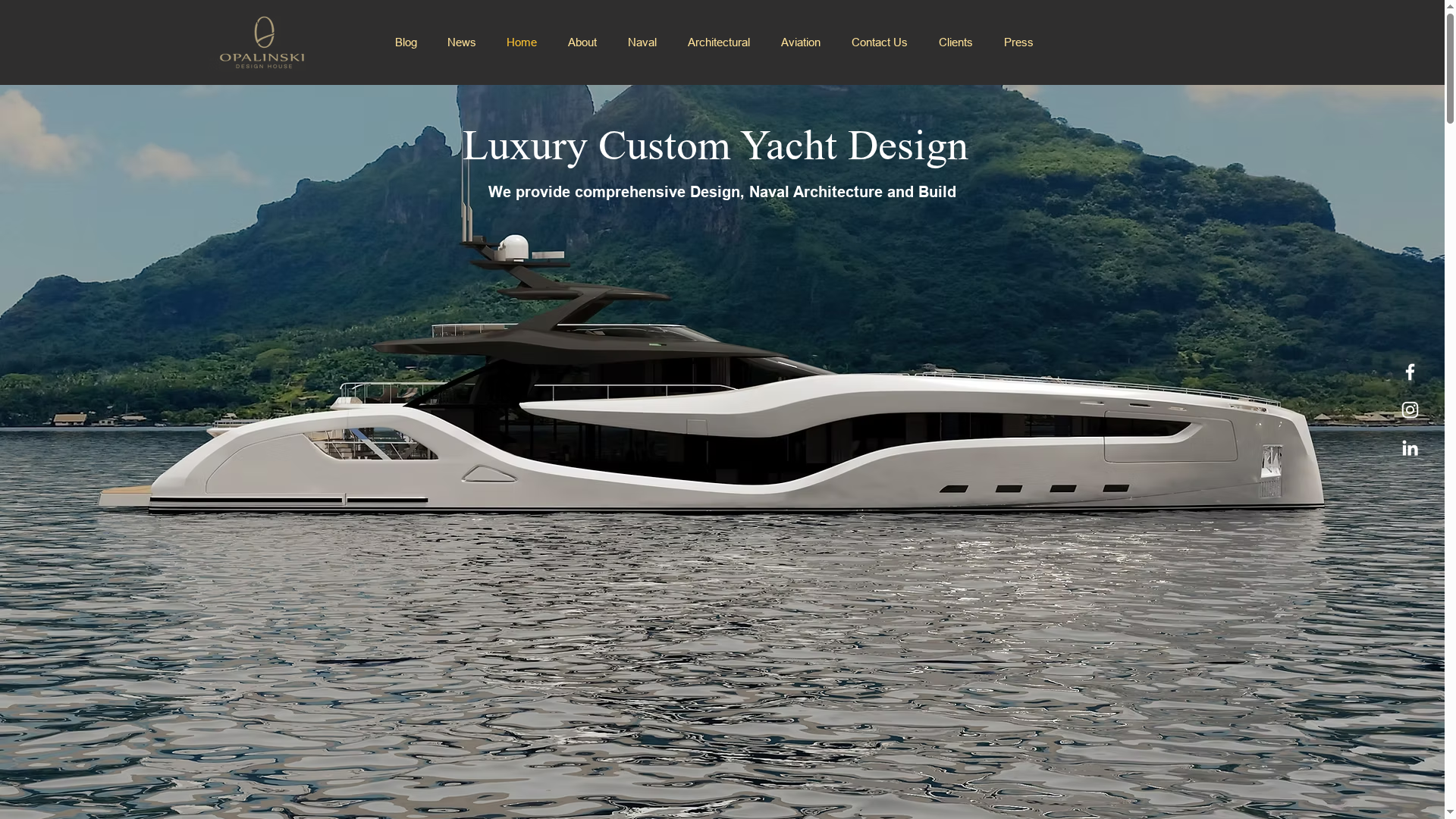
Explore how our pioneering approach and deep industry experience solve the very problems detailed in the creative yacht design process. Don’t settle for standard results when you can realize a truly custom, sustainable, and technologically advanced yacht. Visit Opalinski Design House and see why forward-thinking owners and shipbuilders trust us to innovate every detail from naval architecture to interior styling. Your next masterpiece awaits. Contact us today to start your bespoke yacht design journey.
Frequently Asked Questions
What are the core principles of creative yacht design?
The core principles of creative yacht design include hydrodynamic efficiency, structural integrity, ergonomic space planning, and sustainable technology integration. These elements ensure that designs balance aesthetics, functionality, and environmental responsibility.
How does client vision influence yacht design?
Client vision is integral to the yacht design process. Designers explore personal narratives and lifestyle needs to create customized environments that enhance the owner’s experience, aligning the design with their preferences and aspirations.
What role does technology play in modern yacht design?
Technology plays a crucial role in yacht design, enabling advanced computational modeling, materials science innovations, and the integration of artificial intelligence. These advancements help create vessels that are not only visually appealing but also technically optimized for performance and efficiency.
How can potential challenges be avoided in custom yacht projects?
Avoiding challenges in custom yacht projects involves strategic planning, clear communication between clients and designers, and thorough risk assessments. By anticipating complications and maintaining transparent dialogue, designers can navigate the complexities of custom projects successfully.
Recommended
Comments