
Custom Interior Design for Yachts: Personalizing Luxury on the Water
- info27745
- Dec 25, 2025
- 7 min read
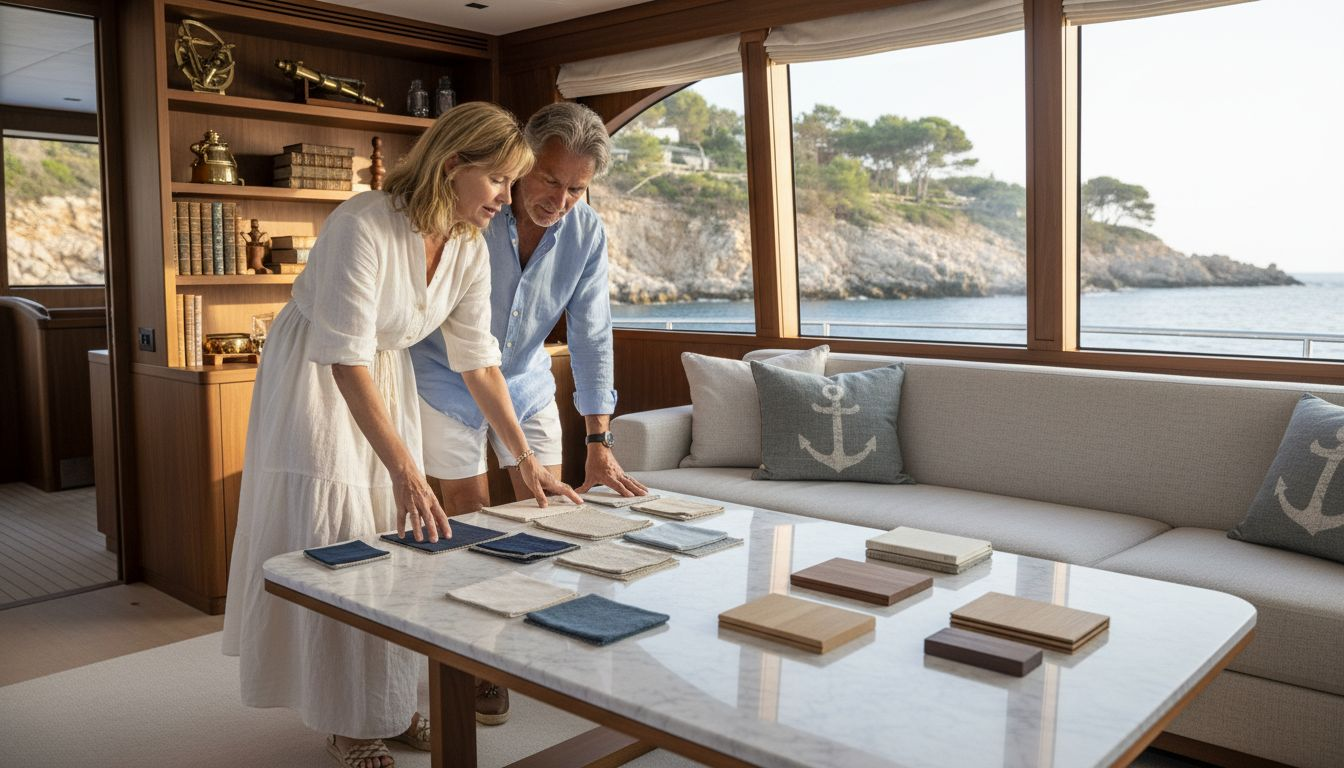
Most American yacht owners demand interiors that reflect both innovative design and personal sophistication. Custom yacht interior design now blends advanced technology with luxury, turning vessels into private residences on the water. With the yacht furnishings sector showing a 30 percent increase in demand for bespoke solutions worldwide, you can discover how tailored design elevates comfort, safety, and uniqueness while addressing the challenges of marine living.
Table of Contents
Key Takeaways
Point | Details |
Custom Yacht Interior Design | Aims to blend aesthetics and functionality while meeting marine engineering requirements, resulting in luxurious, personalized living spaces. |
Personalization Opportunities | Owners can reshape layouts, select premium materials, and create unique furniture pieces that reflect their individual styles. |
Technological Integration | Advances in smart technology allow for enhanced control of the onboard environment, elevating comfort and functionality. |
Cost Considerations | Be prepared for significant expenses driven by the need for specialized materials and complex design challenges; allocate a contingency budget for unexpected costs. |
Defining Custom Yacht Interior Design
Custom yacht interior design represents a sophisticated blend of architectural precision and personalized artistic expression, transforming marine vessels into floating masterpieces of individual style. The interior yacht design sector has dramatically evolved from traditional nautical aesthetics into a multidisciplinary field that integrates domestic comfort with maritime functionality.
At its core, custom yacht interior design transcends mere decoration, becoming a holistic approach to creating living spaces that reflect an owner’s unique personality while meeting stringent marine engineering requirements. Designers must masterfully balance aesthetic preferences with technical constraints, considering factors like weight distribution, material durability, and navigational ergonomics. This intricate process involves deep collaboration between naval architects, interior specialists, and yacht owners to craft spaces that are simultaneously luxurious, practical, and deeply personal.
The design philosophy encompasses several critical dimensions: spatial optimization, material selection, ergonomic planning, and technological integration. Successful custom yacht interiors seamlessly blend bespoke elements like handcrafted furniture, custom millwork, and personalized color palettes with advanced marine-grade materials and cutting-edge technological systems. Each design becomes a narrative of individual taste, transforming nautical environments from mere transportation into extraordinary floating residences.
Pro tip: When approaching custom yacht interior design, prioritize functionality alongside aesthetic vision, ensuring your design elegantly meets both emotional and practical maritime living requirements.
Major Variations and Personalization Options
Custom yacht interior design offers an extraordinary spectrum of personalization possibilities, transforming vessels into truly unique floating environments. Advanced yacht interior projects are defined by intricate design choices that span comprehensive dimensions including layout configuration, material selection, lighting design, and bespoke furniture creation.
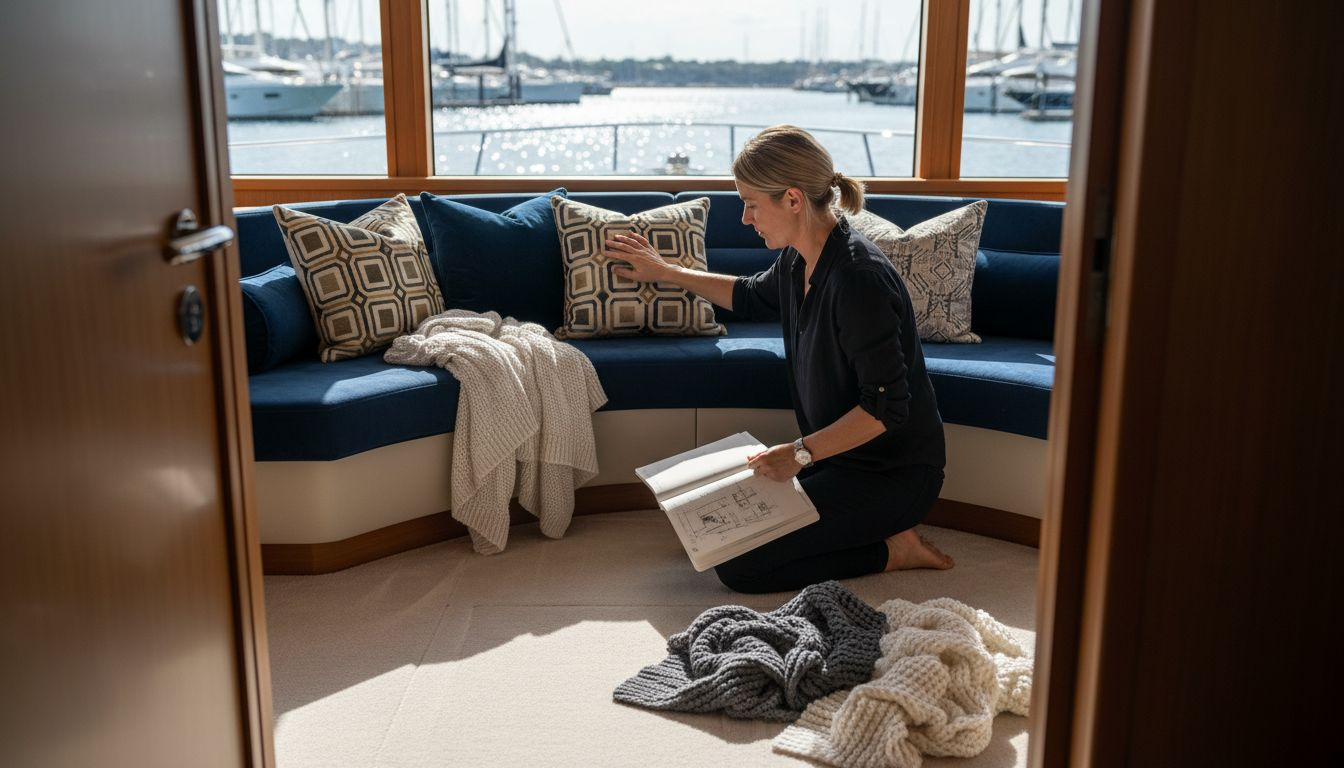
The primary personalization variations typically encompass several key architectural and aesthetic domains. Space planning represents the foundational element, where owners can dramatically reshape interior volumes through custom layout configurations. This might involve reimagining traditional compartment designs, creating open-concept living areas, integrating multifunctional spaces, or developing unique zoning strategies that maximize both visual appeal and practical functionality. Designers can modify room proportions, adjust ceiling heights, incorporate sliding partitions, and create innovative storage solutions that reflect individual lifestyle preferences.
Material selection offers another profound avenue for personalization. Yacht interiors can incorporate everything from exotic hardwoods and rare stone surfaces to advanced synthetic materials engineered for marine environments. Clients might select custom-sourced materials like Brazilian rosewood, Italian marble, hand-woven textiles, or cutting-edge composites that provide superior durability and aesthetic sophistication. Color palettes, texturing techniques, and material combinations become powerful tools for expressing individual design narratives, allowing each yacht interior to become a genuine reflection of its owner’s sensibilities.
Pro tip: When exploring yacht interior personalization, collaborate closely with designers who understand both aesthetic vision and technical maritime constraints to create truly transformative design experiences.
Here’s how major personalization domains in custom yacht interiors compare:
Domain | Typical Choices | Impact on Experience |
Space Planning | Open layouts, zoning | Enhances comfort, flexibility |
Material Selection | Marble, hardwoods | Boosts luxury, durability |
Lighting Design | LED, ambient | Sets atmosphere, saves energy |
Furniture Creation | Handcrafted pieces | Reflects personal style |
Key Features and Technological Innovations
The contemporary yacht interior design landscape has been dramatically transformed by cutting-edge technological innovations that redefine onboard experiences. Emerging design technologies are blending interior and exterior spaces through advanced architectural techniques, creating unprecedented levels of spatial fluidity and sensory engagement.
Smart technology integration represents a revolutionary dimension of modern yacht interior design. Advanced systems now enable comprehensive environmental control, allowing owners to manage temperature, lighting, acoustics, and security through sophisticated digital interfaces. Intelligent sensors can automatically adjust interior conditions based on external weather patterns, occupancy, and individual preferences. Cutting-edge innovations include embedded touchscreen panels, voice-activated control systems, biometric access mechanisms, and adaptive climate management technologies that create seamlessly personalized living environments.
Technological advancements extend beyond comfort controls into structural design and materials engineering. Yacht interiors now incorporate revolutionary materials like self-cleaning surfaces, adaptive color-changing composites, and lightweight yet ultra-durable synthetic compounds. Modular design concepts enable rapid reconfiguration of interior spaces, allowing owners to transform living areas with minimal effort. Augmented reality design tools and 3D modeling technologies have also revolutionized the conceptualization and visualization process, enabling unprecedented levels of precision and creative exploration during the design development stages.
Pro tip: When integrating advanced technologies into yacht interiors, prioritize systems that offer both aesthetic elegance and practical functionality to create truly transformative design experiences.
Custom Interior Design Process Explained
Custom yacht interior design represents a sophisticated, multifaceted journey that transforms conceptual visions into extraordinary maritime living spaces. Comprehensive design methodologies now integrate collaborative tools and advanced data sharing systems that enable unprecedented levels of precision and personalization throughout the design development process.
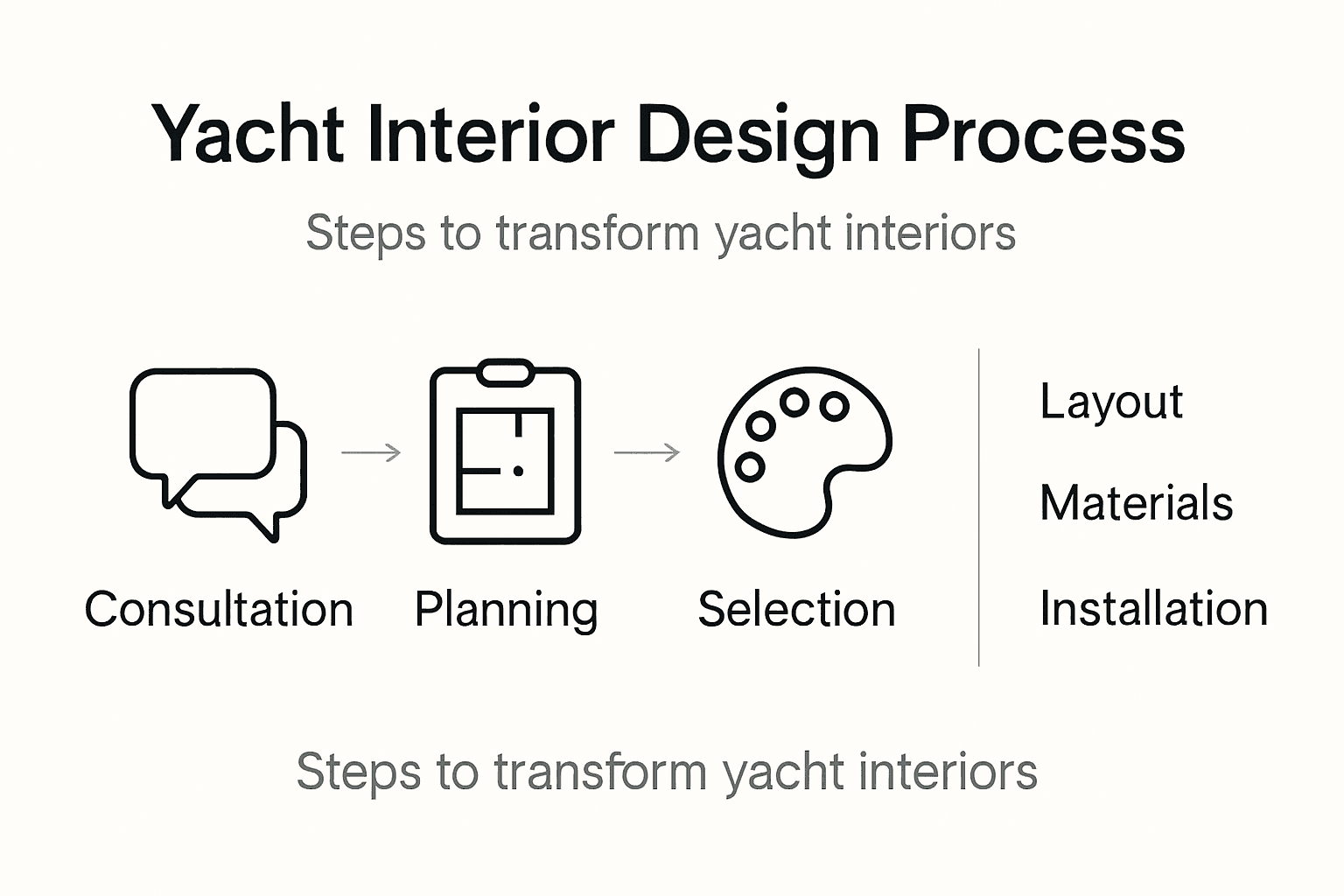
The initial phase centers on in-depth client consultation and conceptual exploration. Designers engage in comprehensive discussions to understand the owner’s lifestyle, aesthetic preferences, functional requirements, and unique vision. This collaborative stage involves creating detailed mood boards, preliminary sketches, and initial 3D renderings that capture the essence of the proposed interior design. Advanced visualization technologies allow clients to virtually experience potential design concepts, enabling real-time feedback and iterative refinement before physical implementation begins.
Subsequent stages involve meticulous technical planning and material selection. Designers develop comprehensive technical drawings that integrate structural considerations, ergonomic principles, and maritime engineering constraints. This phase requires intricate coordination between interior designers, naval architects, and specialized craftsmen to ensure that aesthetic choices align perfectly with the vessel’s technical specifications. Detailed material selection processes consider factors like durability, weight distribution, aesthetic quality, and compliance with marine safety regulations. Each design element undergoes rigorous analysis to create a harmonious, functional, and visually stunning interior environment that reflects the owner’s unique personality.
Pro tip: During the yacht interior design process, maintain open communication and be prepared to provide detailed insights about your lifestyle to help designers create truly personalized maritime living spaces.
Cost Factors and Common Challenges
Custom yacht interior design represents a significant financial investment with complex cost considerations that extend far beyond traditional interior design projects. Industry experts highlight the unique cost drivers inherent in marine environments, including specialized material requirements, intricate engineering constraints, and rigorous safety regulations that dramatically impact overall project expenses.
Material selection emerges as a primary cost determinant in yacht interior design. Marine-grade materials must simultaneously meet extraordinary durability standards, aesthetic expectations, and weight restrictions. Specialized composites, corrosion-resistant metals, high-performance textiles, and custom-engineered surfaces can exponentially increase project budgets. Owners typically encounter price ranges from $500 to $5,000 per square foot for premium yacht interiors, with ultra-custom designs potentially exceeding $10,000 per square foot. These costs reflect not just material expenses, but the extensive design expertise, precision engineering, and handcrafted detailing required to create maritime living spaces that withstand extreme environmental conditions.
Technical challenges further complicate the design and implementation process. Yacht interiors must integrate complex mechanical systems, maintain precise weight distribution, comply with international maritime safety regulations, and provide exceptional functionality within extremely confined spaces. Designers must simultaneously address structural integrity, ergonomic comfort, aesthetic vision, and technical performance—a multidimensional challenge that requires extraordinary interdisciplinary collaboration. Unexpected complications like weight variations, material compatibility issues, and regulatory compliance can introduce substantial additional costs and project delays, making comprehensive planning and expert consultation absolutely critical.
Cost drivers and common project challenges at a glance:
Cost Driver | Description | Typical Impact |
Premium materials | Marine-grade, custom finishes | Raises budget |
Engineering needs | Safety, weight, mechanical systems | Increases complexity |
Regulatory compliance | Must meet maritime regulations | May cause delays |
Project challenges | Space constraint, technical issues | Risk of cost overruns |
Pro tip: Allocate a minimum 20% contingency budget for your yacht interior project to accommodate unexpected technical challenges and design refinements.
Elevate Your Yacht Experience with Bespoke Interior Design Solutions
Custom yacht interior design demands more than aesthetics It requires balancing luxury, marine engineering, and personal style while overcoming challenges like space constraints and technical complexities. If you seek to transform your vessel into a unique and highly functional floating masterpiece that reflects your vision while integrating advanced materials and smart technology then expert guidance is essential. Opalinski Design House specializes in delivering innovative yacht interiors that combine cutting-edge naval architecture with personalized styling tailored to your lifestyle.
Discover how our patented innovations like fold-down transoms and modular design elevate onboard comfort and functionality Enjoy true maritime luxury with bespoke materials and handcrafted details crafted for durability and aesthetics Explore our portfolio and comprehensive design services today at Opalinski Design House. Take the next step to bring your custom yacht interior vision to life and secure your personalized quote now.
Frequently Asked Questions
What are the key features of custom yacht interior design?
Custom yacht interior design focuses on spatial optimization, material selection, ergonomic planning, and technological integration, creating luxurious living spaces that reflect individual style while meeting marine engineering requirements.
How does the personalization process work in yacht interior design?
The personalization process begins with in-depth client consultations that explore lifestyle preferences, followed by space planning, material selection, and technical planning to create custom layouts, unique materials, and personalized design elements.
What types of materials are commonly used in yacht interiors?
Yacht interiors often feature a variety of materials, including exotic hardwoods, rare stone surfaces, marine-grade composites, and high-performance textiles, which provide durability and aesthetic appeal suitable for the maritime environment.
What are common challenges and cost factors in custom yacht interior design?
Cost factors include the need for premium materials that meet stringent marine standards, engineering challenges associated with weight distribution and safety compliance, and the complexities of integrating mechanical systems within confined spaces.
Recommended

Comments