
How to Design a Luxury Yacht: Step-by-Step Guide
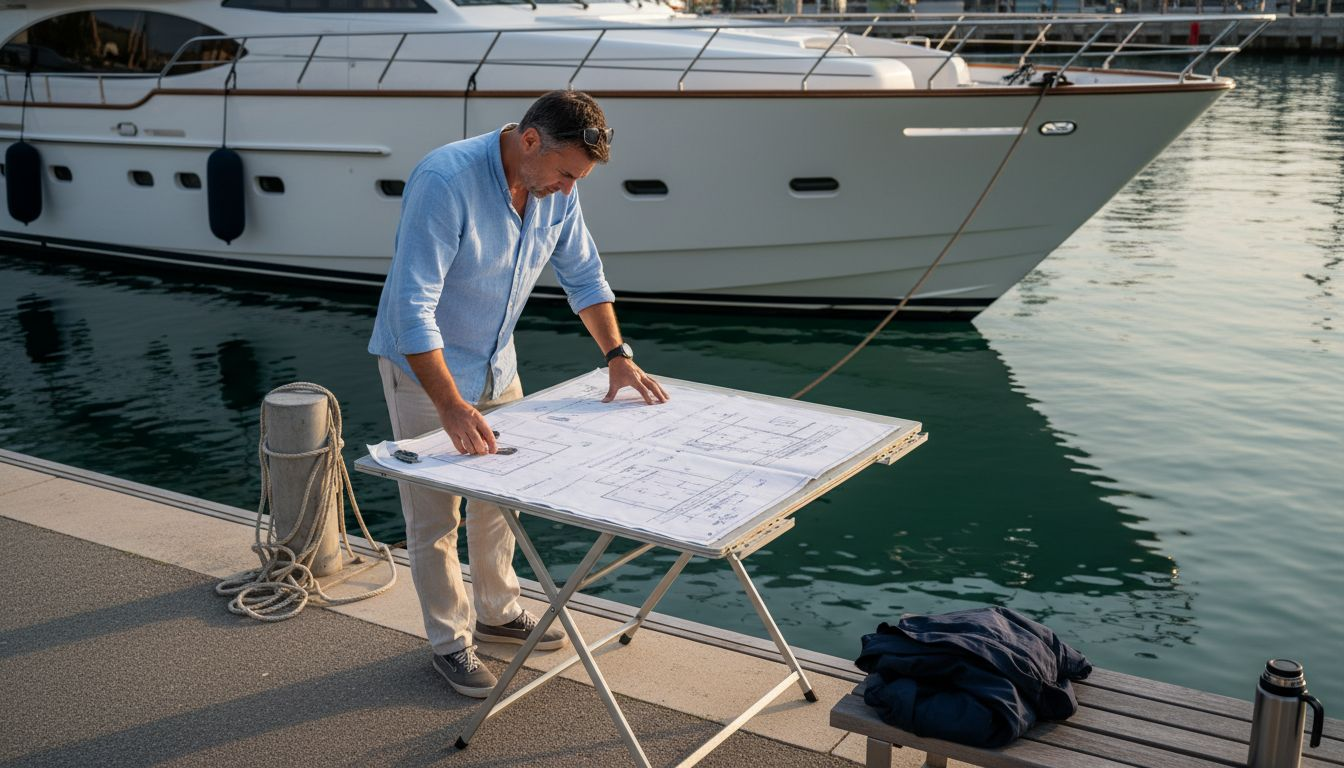
Most American yacht owners pursue designs that break the mold, seeking vessels as distinctive as their personal tastes. With the global superyacht market valued at over $9 billion, the pressure to turn individual dreams into breathtaking realities is higher than ever. Luxury yacht design begins with understanding each owner’s vision in detail, setting the stage for every creative and technical decision that will follow.
Table of Contents
Quick Summary
Key Point | Explanation |
1. Understand Owner’s Vision | Clearly define the owner’s lifestyle and preferences to guide the yacht’s design effectively. |
2. Create Design Concepts | Develop both exterior and interior ideas that encapsulate the owner’s taste and functional needs through iterative sketches. |
3. Integrate Advanced Technologies | Incorporate modern tech and eco-friendly solutions to enhance user experience and environmental responsibility. |
4. Utilize Naval Architecture Expertise | Engage with architects to balance functional performance and aesthetic appeal during the refinement of design. |
5. Validate Final Design Thoroughly | Review models and simulations to ensure the final yacht meets all specifications before beginning construction. |
Step 1: Define owner vision and requirements
Designing a luxury yacht starts with understanding the owner’s ultimate dream. This critical first step transforms abstract desires into a concrete blueprint that will guide every subsequent design decision. Meeting the expectations of discerning clients means going beyond standard maritime regulations.
Successful yacht design requires a comprehensive discovery process that explores not just technical specifications but the owner’s lifestyle, aesthetic preferences, and functional needs. During initial consultations, naval architects will conduct deep interviews to unpack everything from intended usage patterns to personal style preferences. Are you planning extended ocean voyages or coastal weekend getaways? Do you prefer minimalist modern interiors or classic nautical elegance? Will the yacht host business meetings, family gatherings, or serve as a private ocean retreat? Each answer shapes fundamental design choices.
Typically, this vision mapping involves creating detailed preference profiles that consider multiple dimensions beyond pure aesthetics. Judges evaluating yacht designs consistently examine how well the final product supports both owner and crew needs. Expect comprehensive discussions covering technical capabilities, comfort requirements, entertainment spaces, crew accommodations, and sustainability features.
Pro tip: Create a visual mood board before your first design consultation. Collect images of interiors, exterior designs, color palettes, and specific features that inspire you. This gives designers an immediate visual shorthand for understanding your personal aesthetic and functional preferences.
Here is a summary of key considerations for defining a luxury yacht owner’s vision:
Consideration Area | Example Questions | Impact on Design |
Intended Usage | Long voyages or short trips? | Influences size and range |
Aesthetic Style | Modern or classic tastes? | Determines interior themes |
Entertainment Needs | Large parties or privacy? | Affects layout and features |
Crew Arrangements | Owner-operator or full crew? | Shapes crew quarters and logistics |
Sustainability | Preference for eco-features? | Drives technology selection |
Step 2: Develop exterior and interior concepts
Now that you understand the owner’s vision, it is time to transform abstract ideas into tangible design concepts for both the yacht’s exterior and interior spaces. From initial conceptualization to final implementation, this phase requires a sophisticated blend of technical and creative skills.
The exterior concept development involves creating preliminary sketches and 3D renderings that capture the yacht’s overall aesthetic and functional profile. Naval architects will explore hull shapes, deck configurations, and structural proportions that balance performance, style, and the owner’s specific requirements. Meanwhile, interior concept development focuses on translating personal preferences into livable spaces. A yacht’s interior design should be a precise reflection of the owner’s taste while maintaining effective functionality.
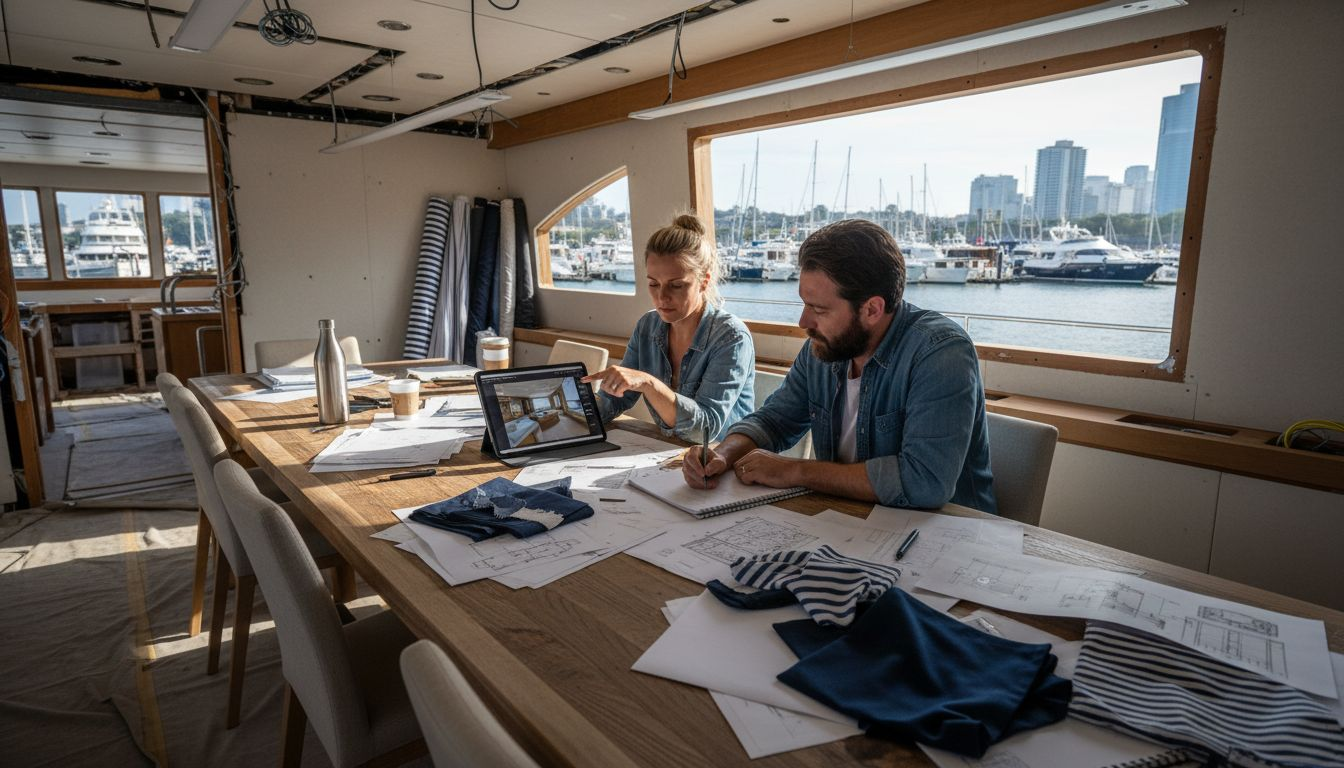
During this stage, design teams will generate multiple concept iterations that explore different design languages visual themes and spatial arrangements. These concepts typically include detailed mood boards, material palettes, color studies, and initial layout drawings. Expect collaborative sessions where designers present various design directions, allowing the owner to provide feedback and gradually refine the overall vision.
Pro tip: Request photorealistic 3D renderings of your yacht concepts. These advanced visualizations will help you understand how different design choices will look and feel in real-world contexts, making it easier to make informed decisions about exterior and interior design elements.
Step 3: Integrate advanced technology and sustainability
Designing a modern luxury yacht means seamlessly blending cutting-edge technological capabilities with environmental consciousness. Luxury yachts now incorporate sophisticated smart home technologies that allow owners and guests to control virtually every aspect of their onboard experience from smartphones and tablets.
The integration of advanced technology involves selecting systems that enhance both operational efficiency and user experience. This includes state-of-the-art navigation technologies, automated climate control, intelligent energy management systems, and comprehensive security networks. Sustainability becomes a critical consideration, moving beyond traditional design approaches to create vessels that minimize environmental impact. Naval architects will explore innovative materials, energy-efficient propulsion systems, waste reduction technologies, and renewable energy solutions that align with modern ecological standards.
Technological integration requires collaborative input from multiple specialized experts engineers, marine technologists, sustainability consultants, and design professionals. They will assess how different technological systems interact holistically within the yacht environment ensuring seamless functionality while maintaining aesthetic integrity. The goal is creating a vessel that feels intuitively responsive intelligent and environmentally responsible.
Pro tip: Prioritize modular technological systems that can be easily upgraded. Technology evolves rapidly, so selecting adaptable infrastructure allows your yacht to incorporate future innovations without requiring a complete redesign.
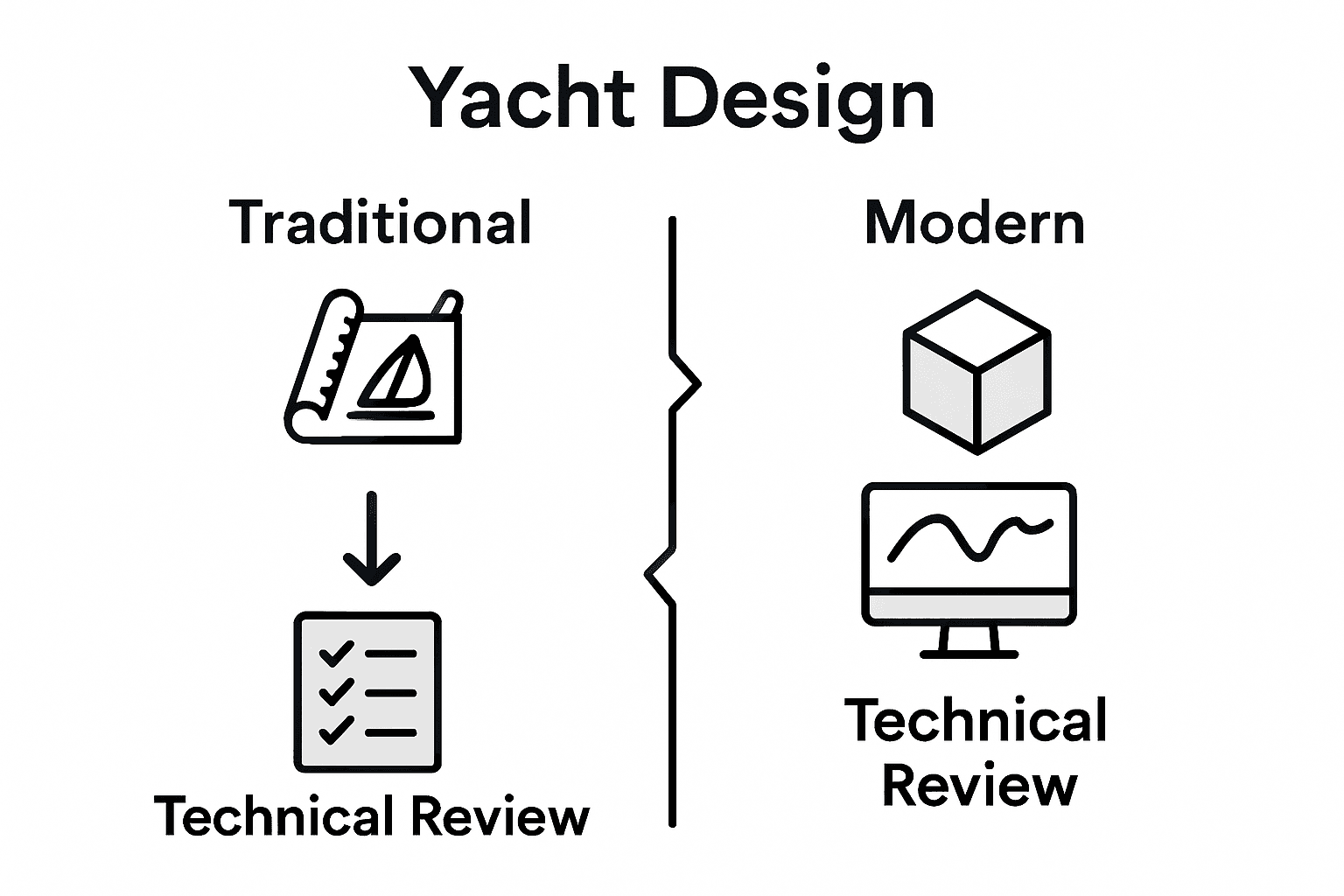
This table contrasts traditional yacht design with modern, technology-driven approaches:
Aspect | Traditional Design | Modern Tech-Driven Design |
Technology Level | Basic navigation and safety | Integrated smart systems |
Sustainability Focus | Limited consideration | Advanced eco-solutions |
Customization | Standard options | Highly personalized spaces |
User Control | Manual systems | Smartphone/tablet management |
Upgrade Flexibility | Fixed installations | Modular, adaptable components |
Step 4: Refine design with naval architecture expertise
Design driven innovation requires naval architects to look beyond traditional technical specifications and understand the deeper emotional meanings users attach to their yacht experience. This refinement stage transforms initial concepts into precise technical blueprints that balance aesthetic vision with engineering excellence.
Naval architects will conduct intensive technical analysis examining hydrodynamic performance structural integrity weight distribution and ergonomic functionality. Each design element undergoes rigorous computational modeling and simulation to validate its performance potential. The refinement process involves creating detailed 3D models computational fluid dynamics simulations and structural stress analyses that test every aspect of the yacht design against real world maritime conditions.
The collaborative refinement process draws expertise from multiple disciplines marine engineers computational designers material scientists and ergonomics specialists. They will systematically evaluate and optimize design elements ensuring that the final yacht meets the highest standards of performance safety and aesthetic sophistication. Groundbreaking yacht designs often emerge from this intense collaborative process of reimagining maritime design language.
Pro tip: Request multiple iterative design reviews with your naval architecture team. Each review should include detailed performance simulations and 3D renderings that allow you to understand how subtle design modifications impact the yachts overall performance and aesthetic experience.
Step 5: Review, validate, and present final designs
The final stage of yacht design transforms technical blueprints into tangible representations that bring your vision to life. Mockup models play a critical role in this process by providing functional prototypes that enable comprehensive testing and error correction before actual construction begins.
Validation involves multiple sophisticated evaluation methods including physical scale models digital simulations and comprehensive performance assessments. Design teams will conduct thorough reviews examining every aspect of the yacht from structural integrity and hydrodynamic performance to aesthetic coherence and ergonomic functionality. These reviews involve detailed presentations where naval architects computational designers and engineering specialists systematically walk through each design element demonstrating how the final concept meets and exceeds the original project requirements.
In a competitive luxury yacht market where innovation is constantly pushing boundaries the pursuit of design perfection becomes an intricate dance of technical precision and creative vision. The presentation phase is your opportunity to see your yacht design transform from abstract concept to a meticulously crafted visual and technical representation that captures your unique maritime dreams.
Pro tip: Request comprehensive digital walkthroughs and immersive virtual reality presentations during the final design review. These advanced visualization techniques will help you experience the yacht design from multiple perspectives and make more informed decisions about subtle design nuances.
Elevate Your Luxury Yacht Vision with Expert Design and Innovation
Designing a luxury yacht involves transforming your personal lifestyle needs and aesthetic preferences into a striking and highly functional vessel. If you seek to integrate advanced technology, sustainability, and innovative architectural features into your yacht design, understanding how to tackle complex challenges like optimizing hull performance and creating bespoke interiors is essential. At Opalinski Design House, we offer tailored solutions that align perfectly with your unique vision, leveraging industry-leading patented technologies such as fold-down transoms to elevate both style and functionality.
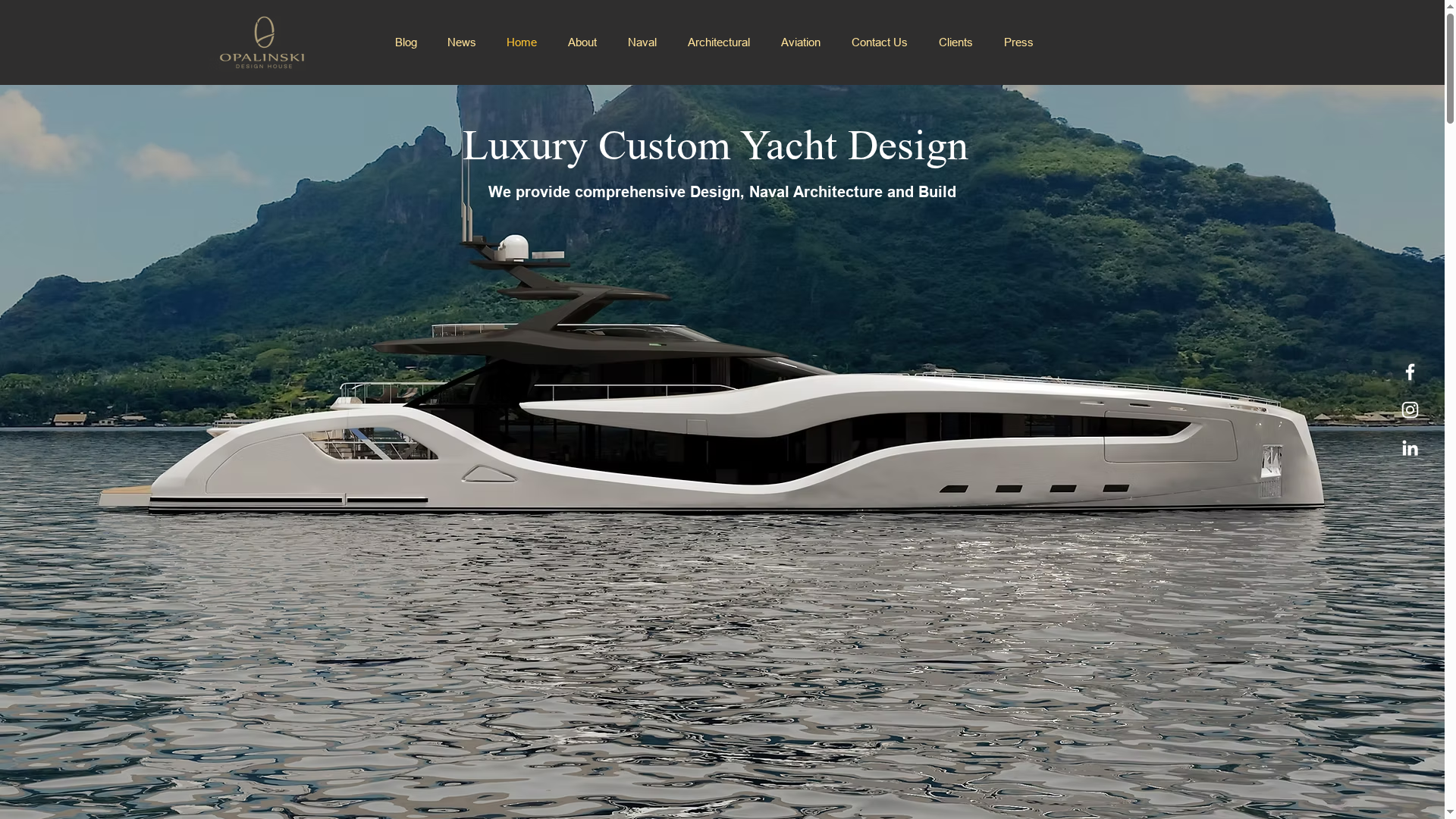
Discover how your dream yacht can become reality by partnering with experts who specialize in innovative yacht design and naval architecture. Visit Opalinski Design House to explore our portfolio, learn about our cutting-edge design process, and request a personalized quote. Start your journey now to create a sustainable, technologically advanced yacht that truly reflects your lifestyle and aspirations. Explore more about our Innovative Naval Architecture Approach and how we bring visionary concepts to life with unmatched expertise.
Frequently Asked Questions
How can I define my vision and requirements for a luxury yacht?
To define your vision and requirements, engage in detailed discussions about your lifestyle, aesthetic preferences, and intended usage. Consider creating a visual mood board of inspirations to share with your design team for a clearer understanding of your desires.
What are the key steps in developing design concepts for a yacht?
The key steps include creating preliminary sketches, 3D renderings, and mood boards that reflect both aesthetic and functional elements. Schedule collaborative sessions to review these concepts and provide feedback to refine your design direction.
How can I ensure advanced technology and sustainability in my yacht design?
Select systems that enhance efficiency and user experience while focusing on eco-friendly innovations, such as energy-efficient propulsion and smart home technologies. Prioritize modular systems that can be easily upgraded to adapt to future technological advancements.
What should be included in the refinement stage of yacht design?
During the refinement stage, meet with naval architects to transform initial concepts into precise technical blueprints, focusing on hydrodynamic performance and ergonomic functionality. Request multiple design reviews to analyze how adjustments impact performance and aesthetic aspects.
How can I validate and present the final yacht design effectively?
Validation of the final design should involve creating scale models and conducting performance assessments. Organize a presentation session with your design team to thoroughly review each element, ensuring the final product meets your original vision and requirements.
Recommended
Comments