
Master Luxury Yacht Design Process 2025 for Custom Success
- info27745
- Jan 13
- 8 min read

Most luxury yacht projects stall before construction because the initial client vision is not defined with enough precision. For American owners and builders competing on a global stage, capturing every detail—lifestyle goals, advanced materials, groundbreaking tech—can make all the difference. This guide breaks down proven steps for translating bespoke ideas into truly innovative, sustainable superyachts, highlighting strategies that keep the world’s most discerning clients ahead of industry trends.
Table of Contents
Quick Summary
Essential Insight | Detailed Explanation |
1. Understand Client Aspirations | Conduct thorough consultations to uncover deeper lifestyle needs, which will guide the yacht’s design and features. |
2. Embrace Innovative Design Approaches | Use advanced materials and technologies to create stunning, functional designs that exceed traditional luxury expectations. |
3. Prioritize Sustainable Material Choices | Select materials that offer aesthetic and environmental benefits, enhancing the yacht’s performance while being eco-friendly. |
4. Create Detailed 3D Renderings | Utilize professional 3D modeling software to visualize the yacht, ensuring every design element is clearly communicated to clients. |
5. Engage Experts for Validation | Assemble a team of specialists to review and critique the design, ensuring technical feasibility and compliance with safety standards. |
Step 1: Define Client Vision and Requirements
Designing a luxury yacht begins with understanding exactly what your client wants. Intensive client consultations serve as the critical first phase where designers transform abstract dreams into actionable design blueprints. Your goal is to uncover not just surface preferences, but the deeper lifestyle aspirations that will shape every aspect of the vessel.
The consultation process involves comprehensive discussions covering multiple dimensions. You will explore how the client intends to use the yacht potential geographic routes, specific onboard requirements, desired cabin configurations, and functional expectations. This means asking targeted questions about entertainment spaces, technological integrations, crew requirements, and personal comfort zones. Professional yacht designers conduct these conversations like skilled detectives uncovering nuanced preferences sometimes the client themselves have not fully articulated.
These initial discussions will directly influence hull design, general arrangements, system selections, and ultimately create a vessel that feels personally tailored. Budget parameters and project timeline expectations also get carefully integrated during these early strategic conversations to ensure alignment between vision and practical implementation.
Pro tip: Always record client conversations and create detailed summary documents to prevent miscommunication and provide a clear reference point throughout the design process.
Step 2: Incorporate Innovative Design Elements
Transforming a yacht design from standard to extraordinary requires strategic innovation that goes beyond traditional approaches. Cutting-edge yacht design demands a holistic approach that balances aesthetic appeal with functional excellence. This means reimagining every element of the vessel not just as a mechanical component, but as an opportunity for breakthrough engineering and personalized luxury.
Successful innovation starts with understanding emerging technological trends and materials science. Consider integrating advanced composites that reduce weight while increasing structural integrity, implementing smart glass technologies for dynamic interior spaces, or exploring renewable energy solutions like solar integration and hybrid propulsion systems. Each design element should serve multiple purposes maximizing efficiency, comfort, and visual drama. For instance, fold-down terraces can transform exterior spaces, while adaptive hull designs can improve performance across varied maritime conditions.
The key is creating a design narrative that feels simultaneously futuristic and timeless. This requires deep research into emerging technologies, careful material selection, and an unwavering commitment to pushing design boundaries. Engage with specialists across disciplines marine engineering, industrial design, and sustainable technology to bring truly revolutionary concepts to life.
Pro tip: Always prototype and digitally simulate innovative design elements before final implementation to validate their feasibility and performance under real world conditions.
Step 3: Select Premium Materials and Technologies
Selecting the right materials and technologies transforms a yacht from merely luxurious to truly exceptional. Luxury yacht design trends in 2025 demand a sophisticated approach that balances cutting-edge performance with environmental responsibility. Your material selection process must go beyond traditional aesthetic considerations to incorporate advanced engineering principles and sustainability goals.
Premium yacht construction now emphasizes innovative materials that deliver multiple benefits. Explore reclaimed wood alternatives that provide warmth and character while reducing environmental impact. Investigate plant-based composites that offer superior strength-to-weight ratios compared to traditional materials. Consider advanced technologies like hybrid propulsion systems and integrated solar power solutions that dramatically enhance vessel efficiency. Smart materials such as self-healing composites or adaptive thermal technologies can provide unprecedented levels of functionality and comfort.
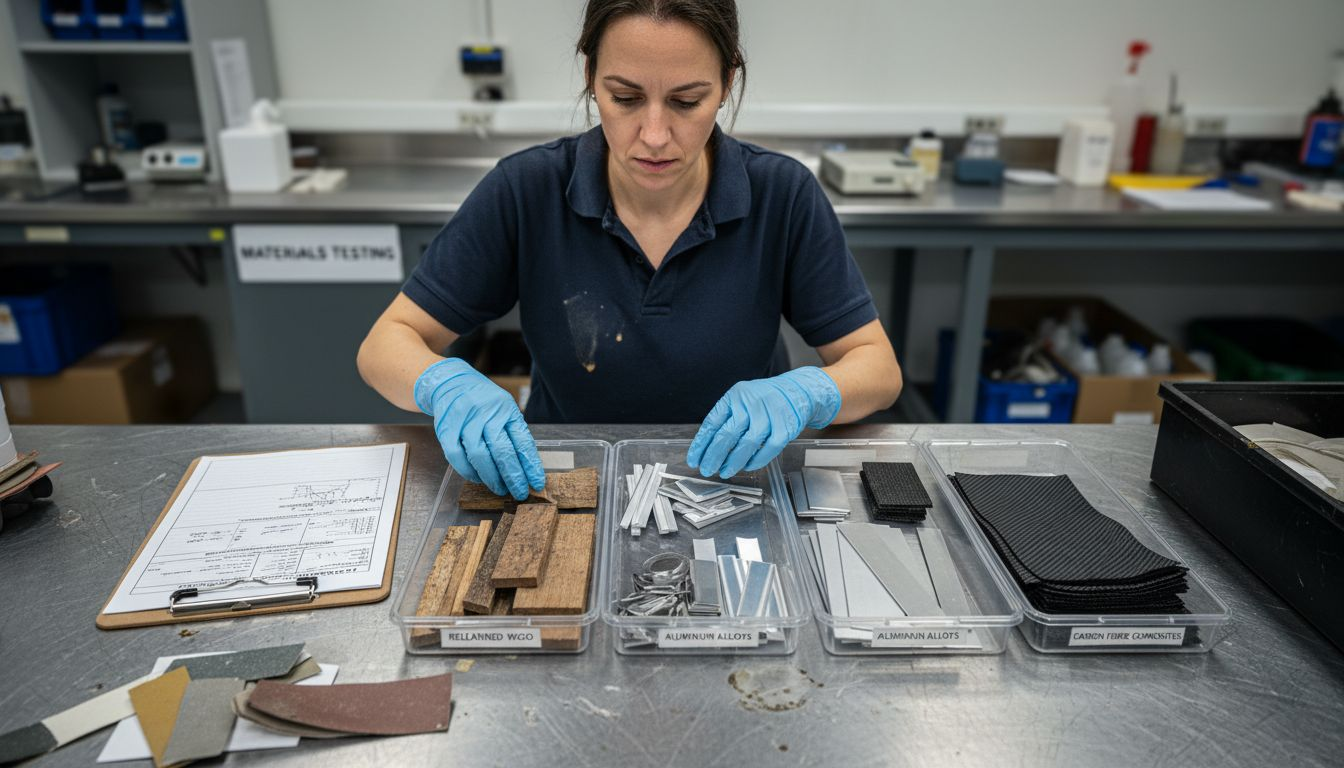
Here is a comparison of innovative materials and their impact on luxury yacht design:
Material Type | Key Benefits | Sustainability Impact |
Reclaimed Wood | Warmth, unique aesthetics | Reduces deforestation |
Plant-Based Composites | Lightweight, high strength | Lower carbon footprint |
Smart Materials | Self-healing, adaptable | Extends lifespan, less waste |
Advanced Composites | Enhanced durability | Efficient resource use |
The selection process requires comprehensive evaluation across several dimensions performance characteristics, aesthetic qualities, sustainability metrics, and long-term durability. Work closely with materials engineers and sustainable design specialists to understand the nuanced properties of emerging technologies. Conduct rigorous testing and simulation to validate each material and technological component before final integration. Remember that true luxury in 2025 is defined not just by appearance, but by intelligent design that anticipates and exceeds client expectations.
Pro tip: Always request material samples and conduct independent performance testing before committing to large-scale implementation in your yacht design.
Step 4: Create Detailed 3D Yacht Renderings
Converting conceptual yacht designs into precise 3D renderings requires advanced technological skills and a deep understanding of visualization techniques. How to design a luxury yacht demands mastery of sophisticated digital modeling tools that transform abstract concepts into photorealistic representations. Your goal is to create immersive visual experiences that communicate every intricate design detail with stunning clarity and precision.
Begin by selecting professional grade 3D rendering software specifically engineered for complex marine design projects. Programs like Rhino 3D, SolidWorks, and Autodesk Fusion 360 offer advanced capabilities for developing intricate hull geometries, interior spaces, and mechanical systems with exceptional accuracy. Focus on creating multiple rendering layers that showcase different perspectives exterior profiles, interior layouts, mechanical systems, and detailed component interactions. Utilize high resolution texturing techniques to simulate authentic material properties including metal finishes, wood grains, glass reflectivity, and surface treatments that make your renderings indistinguishable from actual photographs.
The rendering process is an iterative journey that requires continuous refinement and collaboration. Work closely with naval architects, interior designers, and engineering specialists to ensure every visual representation accurately reflects the technical specifications and aesthetic vision. Incorporate dynamic lighting scenarios, environmental context, and realistic surface interactions that help clients visualize their future vessel with unprecedented emotional and technical clarity.
Pro tip: Invest in cloud rendering services to dramatically reduce processing time and generate multiple high quality visualization iterations simultaneously.
Step 5: Validate Design with Industry Experts
Validating your yacht design requires a systematic and comprehensive review process that brings together the most respected minds in marine engineering and luxury vessel construction. Superyacht innovation insights reveal that successful validation involves extensive collaborative reviews by specialized professionals who scrutinize every technical and aesthetic aspect of the design.
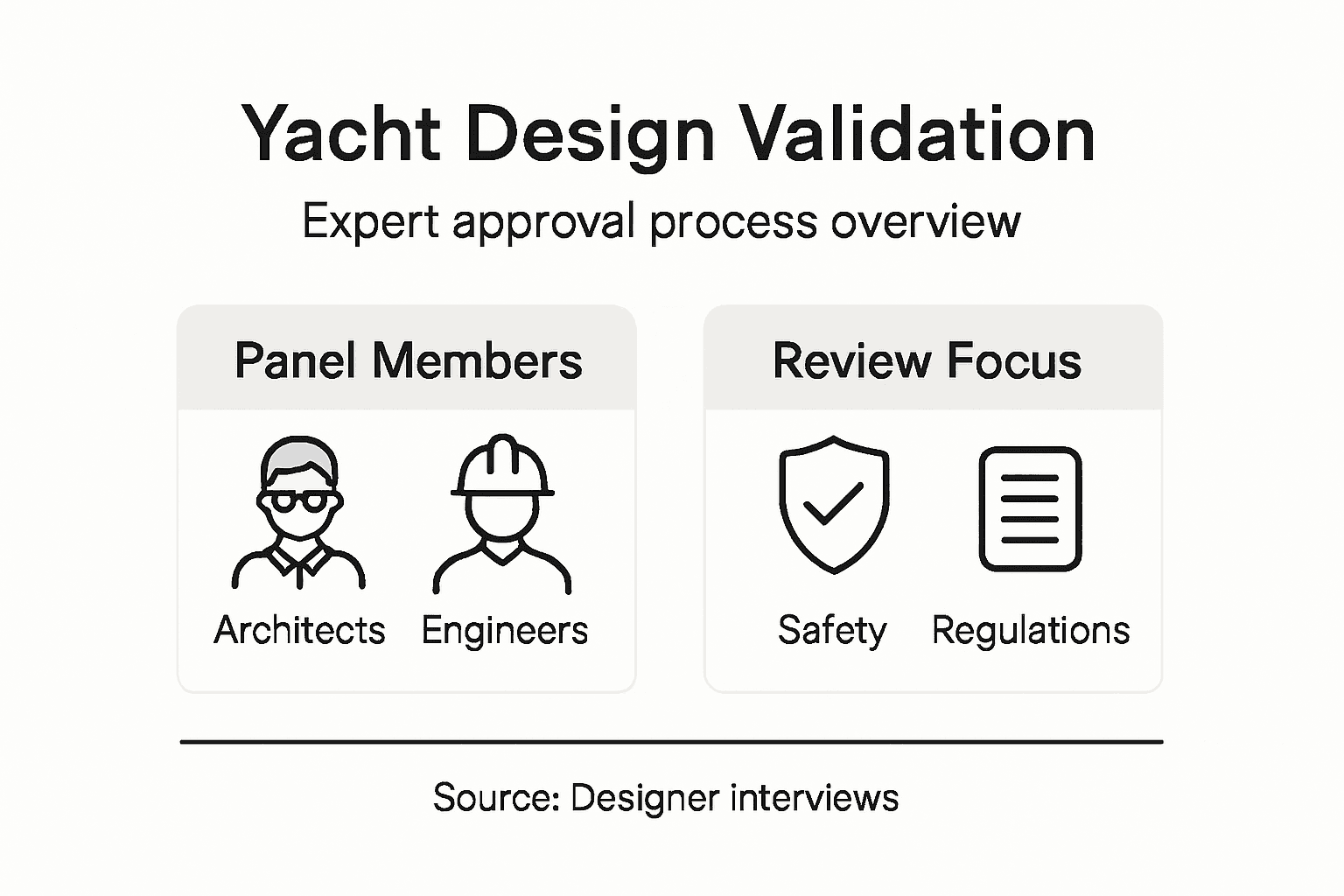
Assemble a multidisciplinary expert panel that includes naval architects, marine engineers, safety specialists, regulatory compliance consultants, and advanced materials experts. Each specialist will examine the design from their unique perspective technical feasibility, structural integrity, performance characteristics, safety standards, and regulatory requirements. Prepare comprehensive design documentation including 3D renderings, technical specifications, material selections, and performance projections. Schedule structured review sessions where experts can provide detailed feedback and challenge critical design assumptions. Be prepared to receive robust technical critique and demonstrate willingness to iterate and refine your design based on professional recommendations.
The validation process is not about defending your initial concept but creating the most exceptional yacht possible. Engage experts who have proven track records in pushing maritime design boundaries. Their insights will help you identify potential performance limitations, safety concerns, and innovative opportunities that might not be immediately apparent. Maintain open communication channels, document all feedback meticulously, and be ready to make strategic modifications that elevate your design from good to extraordinary.
Pro tip: Schedule validation reviews in sequential stages to manage complexity and allow incremental design improvements without overwhelming your expert panel.
Step 6: Finalize and Prepare for Construction
Transitioning your meticulously designed yacht concept into actual construction requires precision planning and strategic documentation. Yacht design workflow demands comprehensive preparation that transforms complex design blueprints into actionable manufacturing specifications. Your goal is to create a seamless bridge between conceptual design and physical realization.
Compile an exhaustive technical package that includes detailed engineering drawings, material specifications, structural calculations, and precise manufacturing tolerances. This documentation serves as the definitive blueprint for shipyard teams and will determine the ultimate quality and performance of your vessel. Work closely with naval architects and manufacturing specialists to translate 3D renderings into precise technical schematics. Develop comprehensive build specifications that outline exact material requirements, structural reinforcement details, mechanical system integrations, and finish specifications. Ensure every technical detail is meticulously documented and cross referenced to prevent potential manufacturing ambiguities.
The finalization stage is about creating a comprehensive roadmap that guides shipbuilders through every stage of construction. Conduct multiple review sessions with key stakeholders shipyard managers, engineering leads, and project managers to validate the technical documentation. Anticipate potential implementation challenges and develop contingency strategies. Your objective is to create a documentation package so precise and clear that it eliminates potential misunderstandings and provides a crystal clear vision of the final yacht.
Pro tip: Create digital and physical documentation archives with version control to track every design iteration and maintain a comprehensive historical record of your yacht design process.
This summary contrasts the focus and outcomes of each design phase:
Design Phase | Primary Goal | Main Outcome |
Consultation | Understand client vision | Actionable design requirements |
Innovation | Integrate new technology | Distinct luxury features |
Material Selection | Optimize durability | Premium, sustainable yacht |
3D Rendering | Visualize concepts | Detailed digital representations |
Validation | Ensure compliance | Approved, refined designs |
Finalization | Prepare construction | Complete technical documents |
Elevate Your Luxury Yacht Design Journey Today
Mastering the luxury yacht design process in 2025 means overcoming complex challenges like merging innovative technologies with a client’s unique vision while ensuring sustainable, high-performance materials are chosen carefully. You want to transform initial client consultations into actionable, stunning designs enhanced by cutting-edge features and meticulous 3D renderings that bring every detail to life.
At Opalinski Design House, we specialize in turning these challenges into opportunities for creating truly bespoke vessels. Our proven expertise in innovative yacht design and patented technologies like the fold-down transom ensure your yacht stands apart both in style and function. We work closely with clients to refine materials, validate designs with industry experts, and prepare comprehensive technical documentation that makes building your dream yacht seamless.
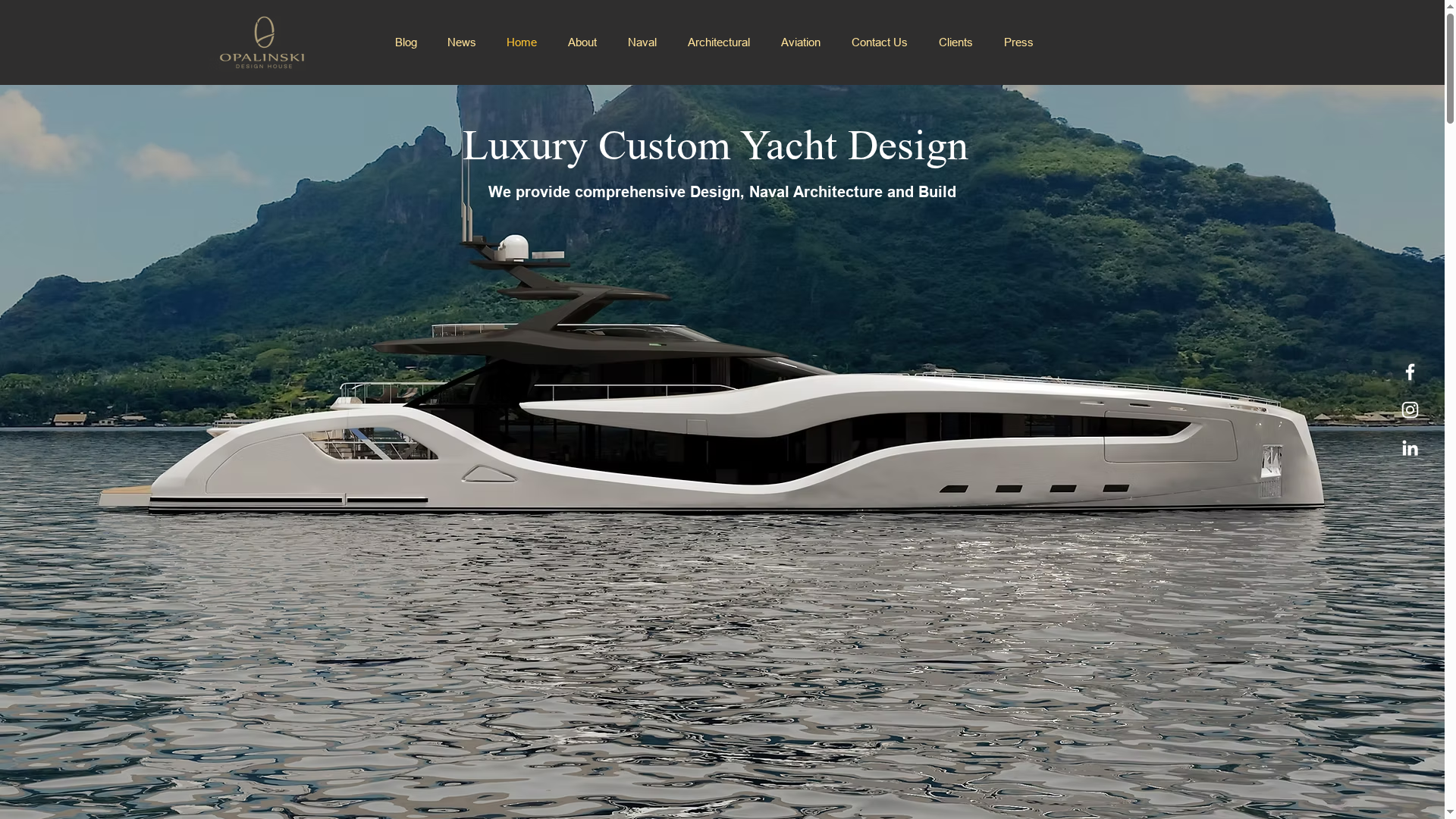
Start your voyage toward an extraordinary custom yacht now. Visit Opalinski Design House for a detailed look at our portfolio and reach out for a personalized consultation that sets your project on a course for success.
Frequently Asked Questions
How do I start the luxury yacht design process in 2025?
To begin the luxury yacht design process, conduct in-depth consultations with your client to uncover their vision and requirements. Schedule initial meetings to discuss preferences such as cabin configurations, entertainment spaces, and budget considerations.
What innovative design elements should I incorporate into my yacht?
Focus on integrating cutting-edge materials and technologies that enhance both performance and luxury. Consider options like advanced composites, smart glass, and hybrid propulsion systems to elevate the yacht’s design and functionality.
How do I select the best materials for yacht construction?
Choose materials based on their performance characteristics, aesthetic qualities, and sustainability impact. Evaluate options like reclaimed wood, plant-based composites, and smart materials to ensure your yacht meets modern luxury standards.
What is the importance of creating detailed 3D renderings?
Creating detailed 3D renderings is crucial for visualizing the yacht design and communicating intricate details to clients. Use professional-grade software to produce high-quality visualizations that represent both the technical specifications and aesthetic vision of the vessel.
How can I ensure my yacht design complies with industry standards?
Engage a panel of industry experts to validate your design and ensure it meets technical and safety standards. Conduct structured review sessions where specialists from various fields can provide feedback and suggest improvements to refine the design.
What documentation is necessary before construction begins?
Compile an exhaustive technical package that includes engineering drawings, material specifications, and manufacturing tolerances. Ensure that this documentation is thorough to provide clear guidance for shipyard teams throughout the construction process.
Recommended

Comments