
Luxury Yacht Innovation Guide for Cutting-Edge Design Success
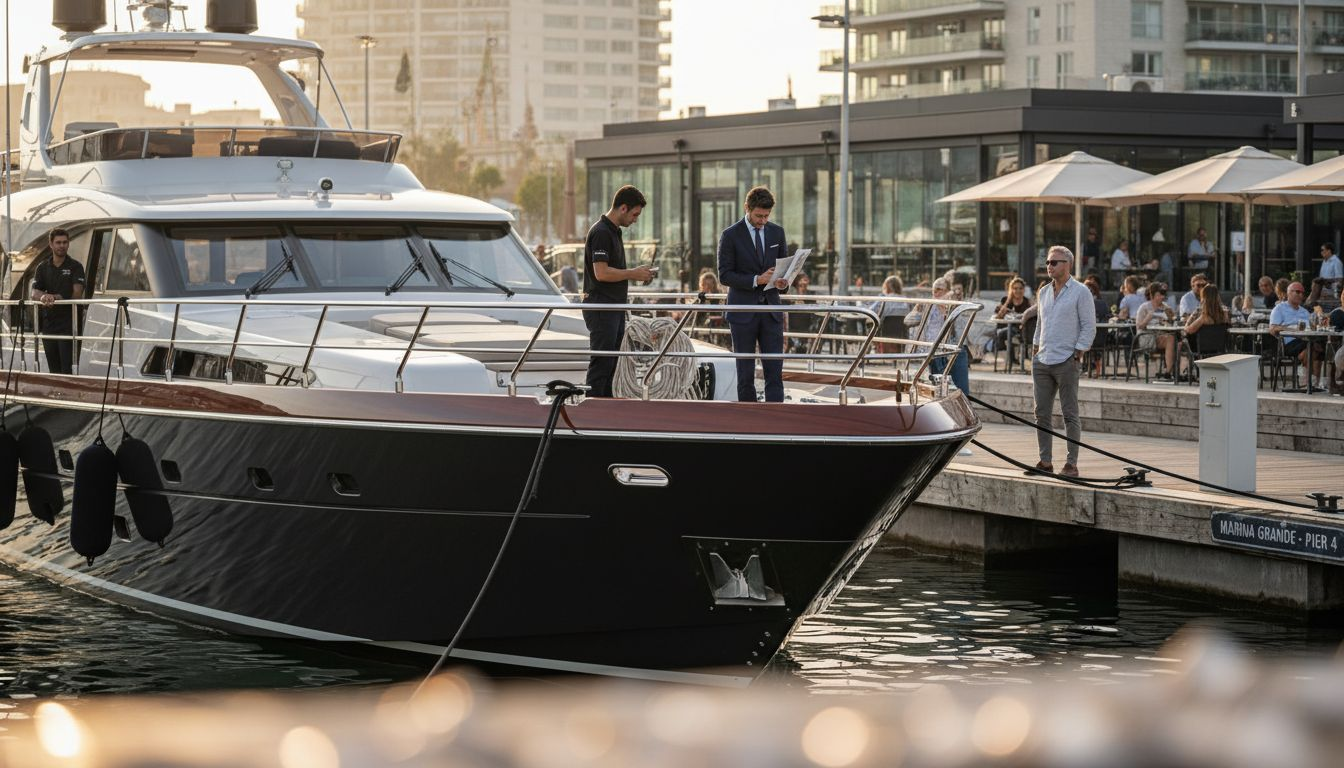
Choosing a bespoke yacht design is more than a style decision—it’s a journey that transforms personal vision and advanced engineering into a unique luxury experience on the water. With evolving expectations for performance, comfort, and sustainability, each factor must be considered with precision and creativity. This guide highlights how the most discerning yacht owners and industry professionals turn their ideas into reality, exploring the intersection of innovative materials and tailored design to craft truly remarkable vessels.
Table of Contents
Quick Summary
Key Insight | Explanation |
1. Define Unique Design Needs | Clearly outline lifestyle uses and performance expectations to tailor your yacht to personal requirements. |
2. Research Advanced Materials | Explore innovative materials and technologies for lightweight, sustainable, and high-performance yacht construction. |
3. Collaborate with Experts | Find experienced naval architects to communicate your vision and ensure alignment in design philosophy. |
4. Integrate Sustainable Solutions | Implement renewable energy and eco-friendly materials to enhance performance while reducing environmental impact. |
5. Conduct Comprehensive Testing | Verify yacht quality through structural, performance, and systems testing to ensure operational excellence and safety. |
Step 1: Define bespoke yacht design requirements
Defining bespoke yacht design requirements involves a comprehensive process of understanding an owner’s unique vision, lifestyle needs, and technical specifications. Yacht design requires an intricate balance between aesthetic preferences, performance capabilities, and individual functional demands.
To successfully develop your custom yacht design, you’ll need to consider several critical factors that transform a standard vessel into a personalized maritime masterpiece. These requirements typically encompass:
Lifestyle Usage: Determine primary vessel purposes (recreational cruising, entertainment, extended voyages)
Performance Parameters: Define speed, range, and maneuverability expectations
Accommodation Specifications: Outline guest capacity, cabin configurations, and onboard amenities
Technical Constraints: Identify size limitations, propulsion preferences, and navigation requirements
Navigating these design requirements demands a meticulous approach. Sustainable marine design principles suggest working closely with naval architects who can translate your vision into technical specifications while maintaining structural integrity and performance standards.
Here’s how critical yacht design factors interact and impact final outcomes:
Key Requirement | Owner Impact | Design Challenge |
Lifestyle Usage | Onboard comfort experience | Space allocation |
Performance Parameters | Speed and travel flexibility | Hull engineering |
Accommodation Specs | Guest satisfaction | Layout optimization |
Technical Constraints | Long-term vessel reliability | Compliance with regulations |
Every design detail impacts subsequent choices, making a holistic approach crucial for creating a truly bespoke vessel.
Collaborating with experienced designers allows you to refine each aspect of your yacht, ensuring that every element reflects your unique perspective and functional needs. The process involves multiple iterative design cycles that progressively transform your conceptual vision into a precise technical blueprint.
Pro tip: Prepare a comprehensive mood board and detailed lifestyle questionnaire before initial design consultations to help naval architects understand your exact requirements more precisely.
Step 2: Research advanced materials and patented technologies
Researching advanced materials and patented technologies is a critical step in creating a cutting-edge yacht design that stands out in the competitive luxury maritime market. Digital technologies and innovative materials are transforming yacht design by enabling more sustainable, flexible, and sophisticated vessel construction.
To effectively explore advanced materials, consider investigating the following key technological domains:
Smart Composites: Explore lightweight, high-strength materials that reduce vessel weight
Computational Design Technologies: Research digital fabrication techniques that enhance design precision
Sustainable Manufacturing Methods: Examine zero-tool and additive manufacturing approaches
Integrated Computational Systems (ICS): Study materials that enable enhanced onboard experiences
Advanced manufacturing techniques are revolutionizing how yacht designers approach material selection and production. These innovations provide unprecedented opportunities to create vessels that are not just aesthetically stunning but also technologically superior and environmentally responsible.
Cutting-edge materials are not just about performance - they represent a holistic approach to yacht design that balances innovation, sustainability, and owner experience.
Engaging with naval architects and material science experts will help you navigate the complex landscape of advanced yacht design technologies. By understanding emerging trends in composite materials, computational design, and sustainable manufacturing, you can develop a yacht that represents the pinnacle of maritime engineering.

Pro tip: Attend specialized marine design conferences and maintain subscriptions to technical journals to stay ahead of the latest material science and yacht design innovations.
Step 3: Collaborate with innovative naval architects
Collaborating effectively with innovative naval architects is crucial for transforming your yacht design vision into a remarkable maritime masterpiece. Role of collaboration in yacht design represents the cornerstone of creating exceptional maritime vessels that push technological and aesthetic boundaries.
To establish a productive partnership with naval architects, focus on these key strategies:
Clear Communication: Articulate your vision, lifestyle requirements, and performance expectations
Technical Expertise: Select architects with proven experience in luxury yacht innovation
Design Philosophy: Ensure alignment between your design objectives and their creative approach
Portfolio Evaluation: Review past projects demonstrating cutting-edge design solutions
Developing a strong collaborative relationship requires mutual understanding and respect for each other’s expertise. Naval architecture solutions demand a sophisticated approach that balances technical precision with creative imagination.
Successful yacht design emerges from a symbiotic relationship between owner vision and architectural expertise.
Effective collaboration involves transparent communication, regular design reviews, and a willingness to explore innovative solutions. By establishing clear expectations and maintaining open dialogue, you can work together to create a yacht that represents the pinnacle of maritime engineering and personal expression.
Pro tip: Prepare a comprehensive design brief that includes not just technical specifications, but also your lifestyle preferences, aesthetic sensibilities, and long-term maritime goals.
Step 4: Integrate sustainable and smart solutions
Sustainable yacht design represents the future of luxury maritime experiences, blending technological innovation with environmental responsibility. Digital technologies and intelligent composite systems are revolutionizing how we approach yacht construction and operational efficiency.
To effectively integrate sustainable solutions, consider implementing these strategic approaches:
Renewable Energy Systems: Incorporate solar panels, hybrid propulsion technologies
Smart Automation: Develop intelligent energy management systems
Eco-Friendly Materials: Select lightweight, recyclable composite materials
Efficient Design: Optimize hull design for reduced environmental impact
Sustainable yacht technologies enable owners to maintain luxury standards while significantly reducing their maritime carbon footprint. These innovations represent a sophisticated approach to responsible yacht ownership that does not compromise performance or aesthetic appeal.
Sustainability in yacht design is not a compromise - it’s an opportunity for technological excellence and environmental stewardship.
Successful integration requires a holistic approach that considers energy efficiency, material selection, and technological innovation. By working closely with naval architects who specialize in sustainable design, you can create a yacht that represents the cutting edge of maritime engineering and environmental consciousness.
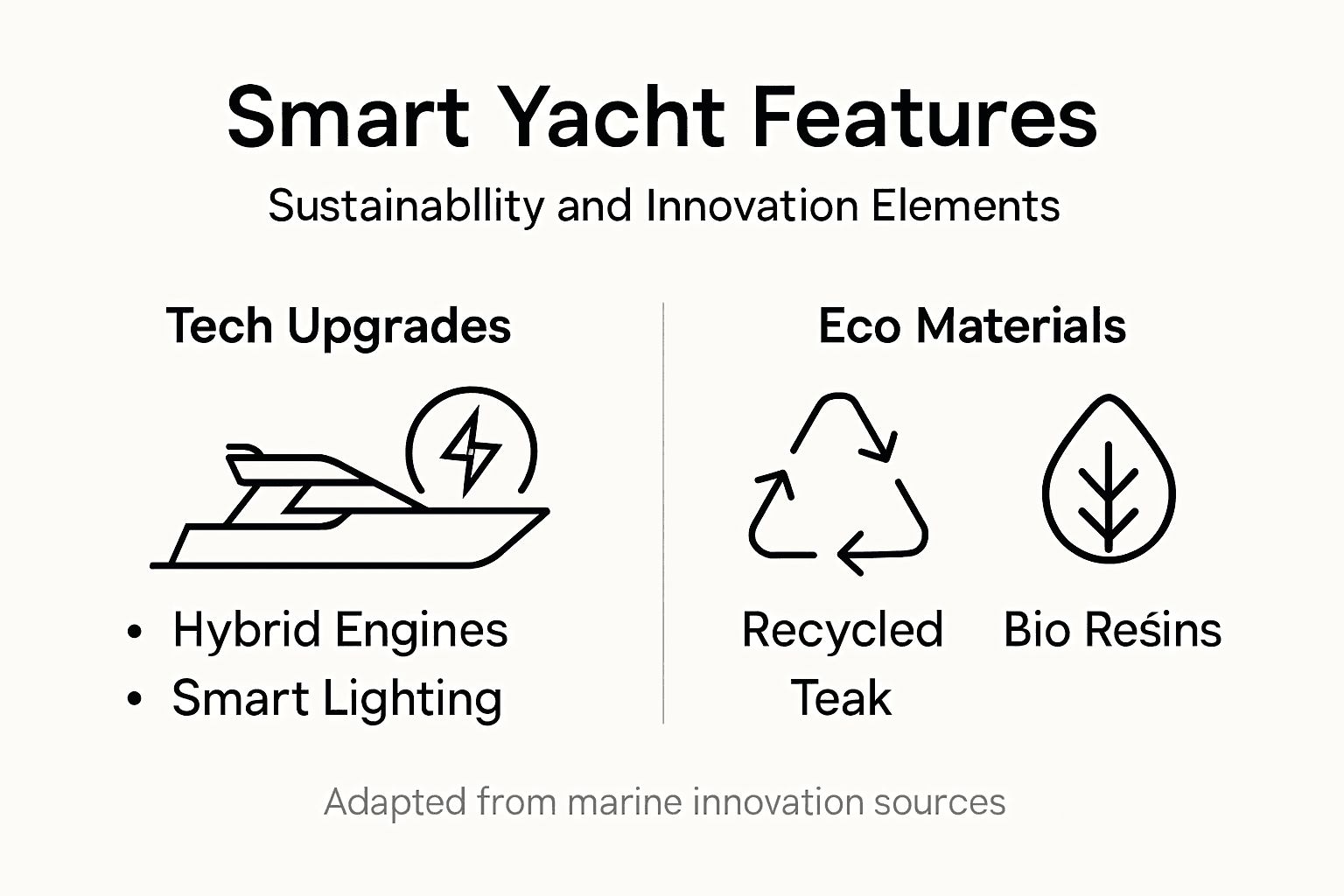
Here is a quick reference for smart and sustainable yacht solutions:
Solution | Main Benefit | Typical Application |
Solar/Hybrid Propulsion | Lower emissions and fuel use | Engine and power systems |
Smart Automation | Optimized energy efficiency | Onboard control systems |
Recyclable Composites | Lightweight and eco-friendly | Hull and superstructure |
Efficient Hull Design | Reduced environmental impact | Lower drag, fuel savings |
Pro tip: Develop a comprehensive sustainability benchmark that goes beyond regulatory requirements, establishing your yacht as a model of environmental innovation in the luxury maritime sector.
Step 5: Verify quality and performance through thorough testing
Ensuring the exceptional quality and performance of your luxury yacht demands a rigorous, multifaceted testing approach that goes beyond standard maritime evaluations. Luxury yacht testing protocols are critical for identifying potential structural, material, and operational challenges before they become costly problems.
To conduct comprehensive yacht performance verification, implement these essential testing strategies:
Structural Integrity Testing: Assess hull strength and material fatigue resistance
Performance Simulations: Use parametric modeling and fluid dynamics analysis
Environmental Stress Testing: Evaluate vessel performance under extreme maritime conditions
Systems Functionality Verification: Test navigation, propulsion, and onboard technology systems
Yacht design optimization techniques enable precise evaluation of vessel characteristics including noise reduction, stability, and operational efficiency. These comprehensive assessments ensure your yacht meets the highest standards of safety, comfort, and performance.
Quality verification is not a single event, but a continuous process of refinement and validation.
Engaging specialized marine testing experts who understand the nuanced requirements of luxury yacht construction will provide the most comprehensive performance insights. These professionals use advanced diagnostic tools and real-world trials to validate every aspect of your vessel’s design and functionality.
Pro tip: Schedule periodic independent inspections and maintain detailed documentation of all testing results to preserve your yacht’s long-term value and performance integrity.
Elevate Your Yacht Design Vision with Expert Innovation
Navigating the complexities of bespoke yacht design requires a partner who understands the balance between cutting-edge technology, sustainable solutions, and your unique lifestyle goals. If you seek to overcome challenges such as integrating advanced materials, optimizing hull performance, and embedding smart automation, our team at Opalinski Design House offers unmatched expertise to transform your vision into an extraordinary reality. We specialize in patented innovations like fold-down transoms that redefine yacht functionality without compromising elegance.
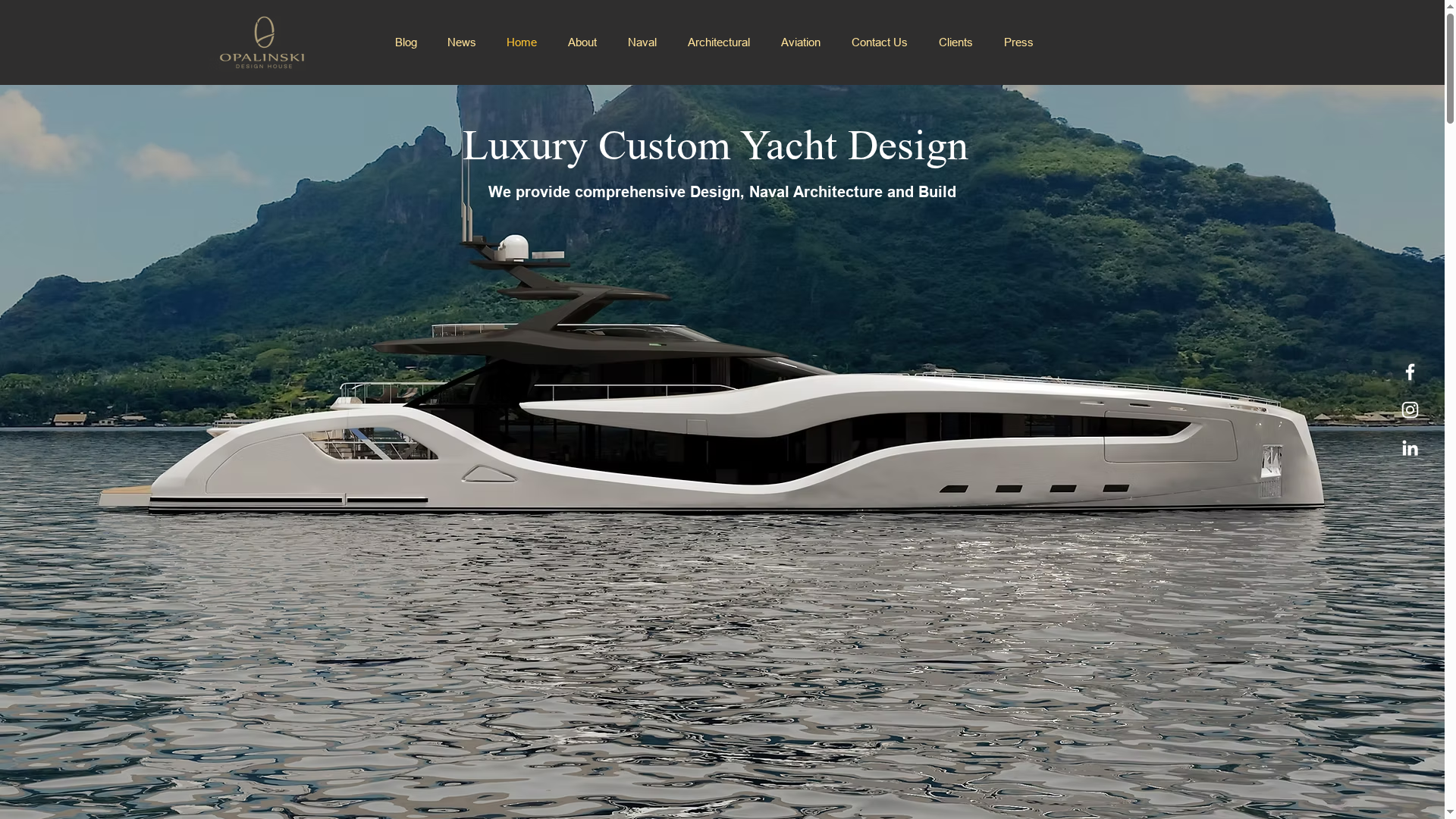
Discover how our collaborative approach to luxury yacht design and naval architecture delivers tailored solutions that exceed expectations. Don’t settle for conventional choices when you can pioneer the future of maritime excellence. Visit Opalinski Design House now to explore our portfolio and request a personalized consultation. Your next-level yacht begins here.
Frequently Asked Questions
What are the key factors to consider when defining bespoke yacht design requirements?
Defining bespoke yacht design requirements involves considering lifestyle usage, performance parameters, accommodation specifications, and technical constraints. Start by outlining your primary vessel purposes and desired features, ensuring your vision is comprehensive and clear.
How can I research advanced materials and technologies for yacht design?
To research advanced materials and technologies, explore smart composites, computational design techniques, and sustainable manufacturing methods. Delve into specific domains like lightweight materials and digital fabrication to make informed choices for your yacht’s construction.
What steps should I follow to collaborate effectively with naval architects?
To collaborate effectively with naval architects, start with clear communication, outlining your vision and performance expectations. Review their portfolios to ensure their design philosophy aligns with your objectives, and schedule regular design reviews to maintain alignment during the project.
How can I integrate sustainable solutions into yacht design?
Integrating sustainable solutions involves incorporating renewable energy systems, using eco-friendly materials, and optimizing design for efficiency. Prioritize features like hybrid propulsion and intelligent automation to significantly reduce your yacht’s environmental impact.
What testing strategies are essential for verifying yacht quality and performance?
Essential testing strategies include structural integrity testing, performance simulations, and environmental stress testing. Conduct thorough assessments to validate system functionality and hull strength, ensuring your yacht meets high standards before final delivery.
Recommended

Comments