
7 Modern Yacht Styling Ideas for Luxury and Innovation
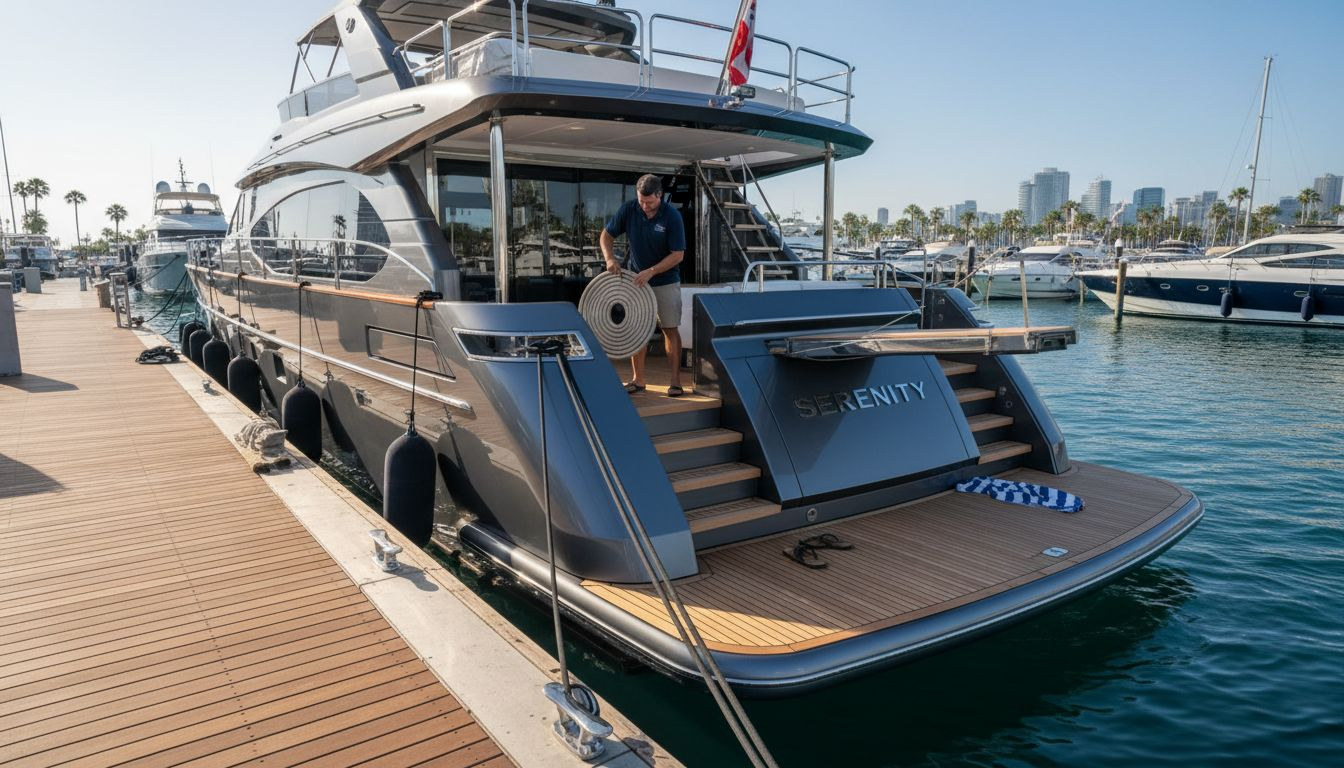
Most American yacht owners are surprised to learn that minimalist interior design can make their vessels feel up to twice as spacious compared to traditional layouts. As demand for luxury and comfort rises, creating open, functional, and serene onboard environments has become a driving priority across the yachting world. This guide explores the most effective strategies for designing an American yacht interior that feels modern, airy, and truly personal.
Table of Contents
Quick Summary
Key Insight | Explanation |
1. Embrace Minimalist Design | Use open floor plans and neutral palettes to create a spacious yacht interior that feels sophisticated. |
2. Implement Advanced Lighting | Use automated LED lighting systems to enhance ambiance and adapt to different activities on your yacht. |
3. Utilize Fold-Down Transoms | Implement fold-down transoms to blend indoor and outdoor spaces, expanding usable living areas on deck. |
4. Select Sustainable Materials | Choose eco-friendly materials for construction that reduce environmental impact while providing luxury and performance. |
5. Integrate Smart Technology | Employ smart home automation systems to control various functions of your yacht easily and enhance comfort. |
1. Embracing Minimalist Interior Design for Spaciousness
Minimalist yacht interior design transforms luxury vessels from cluttered spaces into serene, expansive sanctuaries. By strategically reducing visual noise and maximizing functional elegance, yacht owners can create an environment that feels dramatically larger and more sophisticated.
The core philosophy of minimalist design centers on intentional simplicity and strategic space management. Luxury yacht interior trends increasingly emphasize open floor plans, neutral color palettes, and clever storage solutions that make interiors feel simultaneously spacious and refined. This approach goes beyond aesthetic preference - it represents a sophisticated understanding of spatial perception.
Implementing minimalist design requires thoughtful material selection and layout planning. Choose furniture with clean lines and multipurpose functionality. Opt for neutral tones like warm whites, soft grays, and muted earth colors that create visual continuity and make spaces appear larger. Integrate hidden storage compartments that maintain smooth surface lines while providing practical organization.
Key strategies include selecting low profile furniture, utilizing reflective surfaces like glass and polished metals, and maintaining uncluttered horizontal spaces. Incorporate large windows that blur boundaries between interior and exterior, allowing natural light to enhance the sense of openness. Select furniture pieces that serve multiple functions - a sleek ottoman with interior storage or a dining table that converts into a workspace.
Pro Tip: When designing a minimalist yacht interior, prioritize quality over quantity. Select 2-3 statement pieces with exceptional craftsmanship and design integrity that can anchor your space without overwhelming it.
2. Incorporating Advanced Lighting Solutions for Ambience
Advanced lighting technologies have revolutionized yacht interior design by transforming illumination from a basic necessity into a dynamic, mood-defining element. Modern yacht lighting goes far beyond simple brightness - it creates immersive experiences that adapt to your environment and emotional state.
Automated lighting systems represent the cutting edge of marine illumination technology. These sophisticated setups enable yacht owners to control lighting through intelligent presets, allowing instant transformation of interior spaces. Imagine transitioning from bright work mode to soft evening ambient lighting with a single touch.
Modern yacht lighting leverages LED technology with remarkable precision. Marine LED innovations offer unprecedented color rendering, directional capabilities, and energy efficiency. These systems provide nuanced lighting control that can highlight architectural features, create depth, and generate specific emotional atmospheres.
Practical implementation involves strategic zoning and layered lighting approaches. Create distinct lighting zones that serve different functions - task lighting for work areas, soft ambient lighting for relaxation spaces, and dramatic accent lighting for entertainment zones. Consider installing dimmable LED strips along floors, cabinets, and ceilings to generate visual interest and improve spatial perception.
Key design considerations include selecting waterproof fixtures, choosing color temperatures that complement your interior palette, and integrating smart control systems that allow remote management. Select fixtures with marine grade materials that can withstand saltwater environments while maintaining aesthetic elegance.
Pro Tip: When designing yacht lighting, install multiple light sources at different heights to create depth and prevent harsh shadows, ensuring a sophisticated and comfortable visual environment.
3. Utilizing Fold-Down Transoms for Enhanced Outdoor Living
Fold-down transoms represent a revolutionary design concept that blurs the boundaries between interior and exterior yacht spaces. These innovative architectural features transform traditional vessel layouts by creating seamless connections that maximize usable living areas.
Modern yacht design has embraced fold-down transoms as a sophisticated solution for expanding onboard living spaces. These dynamic architectural elements can dramatically increase usable deck area with a simple mechanical movement, offering unprecedented flexibility for entertainment and relaxation.
Functional Design Principles drive the development of fold-down transoms. By creating expandable platforms that extend from the vessel’s rear, these features allow yacht owners to dramatically increase their usable outdoor space. The mechanism typically involves hydraulic or electric systems that smoothly lower platform sections, creating large terraces that connect directly with water environments.
Innovative outdoor living concepts demonstrate how fold-down transoms can transform a vessel’s social dynamics. When deployed, these platforms create beach club areas perfect for sunbathing, water access, or hosting intimate gatherings. The design integrates safety features like sturdy railings and non-slip surfaces to ensure secure outdoor experiences.
Consider multiple configuration options when implementing fold-down transoms. Some designs offer partial extensions for smaller gatherings, while others provide full platform deployments for maximum space utilization. Select materials resistant to marine environments such as marine grade aluminum, specialized composites, and corrosion-resistant hardware.
Pro Tip: When selecting a fold-down transom design, prioritize models with integrated safety mechanisms and smooth operational systems that can be easily managed by a single crew member.
4. Selecting Sustainable Materials for Eco-Friendly Yachts
Sustainability in yacht design has evolved from a niche concept to a critical consideration for modern vessel construction. Selecting environmentally responsible materials represents a powerful approach to reducing marine industry ecological impact while maintaining exceptional performance and luxury.
Advanced sustainable materials are transforming yacht manufacturing through innovative solutions that minimize environmental footprint. Composite materials derived from recycled plastics, renewable carbon fiber alternatives, and responsibly sourced wood provide remarkable strength and aesthetic appeal while significantly reducing ecological strain.
Implementing sustainable material strategies requires comprehensive understanding of performance characteristics. Key considerations include durability, weight efficiency, thermal properties, and long-term environmental impact. Naval architecture best practices emphasize selecting materials that balance technical requirements with ecological responsibility.
Practical implementation involves strategic material selection across different yacht components. Consider bio-based composites for hull construction, recycled marine grade aluminum for structural elements, and sustainably harvested wood for interior finishes. Advanced resins made from plant based sources can replace traditional petroleum derived alternatives, reducing carbon emissions without compromising structural integrity.
Materials like bamboo composite panels, cork insulation, and reclaimed wood offer exceptional environmental credentials while providing unique aesthetic qualities. Modern sustainable materials often outperform traditional options in weight reduction, thermal efficiency, and long term durability.
Pro Tip: When selecting sustainable yacht materials, request comprehensive lifecycle assessment documentation from manufacturers to verify true environmental performance beyond initial marketing claims.
5. Integrating Smart Technology and Automation Features
Smart technology has revolutionized yacht design by transforming vessels from static environments into intelligent living spaces that anticipate and respond to owner preferences. Modern yacht automation represents a sophisticated fusion of cutting edge technology and personalized comfort.
Automated yacht systems now offer unprecedented levels of control and customization. These intelligent networks integrate multiple onboard functions including lighting, climate control, entertainment, and security through seamless touch, voice, and mobile interfaces. Imagine controlling your entire vessel environment with a single smartphone application.
Technological Integration Principles drive the development of smart yacht systems. Advanced sensors and artificial intelligence enable real time environmental adaptation, allowing systems to automatically adjust lighting, temperature, and energy consumption based on occupancy, time of day, and external conditions. Marine lighting technologies now incorporate adaptive capabilities that can shift color temperature and brightness to match natural circadian rhythms.
Practical implementation requires selecting modular, scalable automation platforms compatible with marine environments. Key considerations include waterproof interfaces, robust wireless connectivity, redundant power systems, and intuitive user interfaces. Look for solutions offering comprehensive integration across multiple onboard systems while maintaining reliable performance in challenging maritime conditions.
Smart yacht technologies extend beyond convenience into critical safety and efficiency domains. Automated systems can monitor critical vessel parameters, provide predictive maintenance alerts, optimize energy consumption, and enhance security through intelligent surveillance and access control mechanisms.
Pro Tip: When designing a smart yacht automation system, prioritize platforms with open architecture that allow future upgrades and seamless integration of emerging technologies.
6. Customizing Outdoor Lounges with Flexible Furniture
Outdoor yacht lounges represent more than static seating areas they are dynamic social spaces that demand intelligent design and maximum adaptability. Modern yacht owners seek furniture solutions that can transform seamlessly to accommodate changing social scenarios and personal preferences.
Contemporary catamaran interior design emphasizes modular furniture systems that offer unprecedented flexibility. These innovative furniture collections enable rapid reconfiguration from intimate conversation areas to expansive entertainment zones with minimal effort.
Practical implementation requires selecting furniture with multiple configuration capabilities. Look for pieces that can serve multiple functions such as seating that converts into sunbeds, tables with adjustable heights, and sectional components that can be rearranged quickly. Materials should be marine grade resistant to saltwater exposure ultraviolet radiation and temperature variations.
Strategic furniture selection involves considering weight distribution lightweight aluminum frames weatherproof synthetic textiles and quick release connection mechanisms. Advanced modular systems incorporate integrated storage compartments electrical charging ports and adjustable ergonomic features that enhance comfort and utility.
Design considerations should prioritize smooth transitions between configurations. Select furniture with intuitive connection points smooth sliding mechanisms and minimal moving parts to ensure ease of transformation. Color palettes that complement your yacht interior while maintaining practical marine performance will create a cohesive aesthetic experience.
Pro Tip: Invest in furniture systems with standardized connection points that allow future expansion and customization as your entertainment needs evolve.
7. Choosing Signature Color Palettes for a Unique Look
Color selection represents the visual signature of a yacht interior transforming functional spaces into personalized expressions of individual style and aesthetic sensibility. A thoughtfully curated color palette can elevate a vessel from mere transportation to a profound sensory experience.
Luxury yacht interior design trends emphasize sophisticated neutral foundations complemented by strategic accent colors. This approach creates visual depth and emotional resonance while maintaining a sense of timeless elegance.
Practical color palette development involves understanding how different hues interact with maritime environments. Yacht interior design specialists recommend combining warm neutrals like sand beige soft taupe and muted grays with subtle oceanic accents such as marine blues seafoam greens and soft coral tones. These color combinations reflect natural marine landscapes while providing visual tranquility.
Materials play a critical role in color perception. Consider how different textures natural wood grains matte metal finishes and subtle textile variations can enhance your chosen color scheme. Metallic accents in brushed bronze soft silver or warm copper can add sophisticated visual interest without overwhelming the primary color narrative.
Design strategy involves creating a harmonious gradient of colors that flow seamlessly between interior and exterior spaces. Select a primary neutral tone for large surface areas like walls and floors with complementary accent colors introduced through furniture textiles and decorative elements. This approach ensures visual continuity and prevents color fatigue.
Pro Tip: When selecting your yacht color palette test material samples under various lighting conditions maritime sunlight can dramatically transform color perception.
Below is a comprehensive table summarizing the key concepts and strategies discussed throughout the article on minimalist yacht design and its various elements.
Topic | Description | Key Considerations |
Minimalist Yacht Interiors | Transform cluttered spaces into expansive sanctuaries through simplicity and space management. | Use neutral color palettes, hidden storage, and multifunctional furniture. |
Lighting Solutions | Advanced lighting defines mood and adapts environments with LED technology. | Implement zoning, choose marine grade fixtures, and integrate smart controls. |
Fold-Down Transoms | Enhance living spaces with structural elements that expand deck area. | Consider hydraulic systems and marine grade materials. |
Sustainable Materials | Use eco-friendly materials to reduce ecological impact while maintaining performance. | Opt for recycled composites, responsibly sourced woods, and durable alternatives. |
Smart Technology | Transform yachts into intelligent environments using automation. | Select scalable platforms and ensure robust connectivity. |
Outdoor Flexibility | Design dynamic social spaces with adaptable furniture. | Choose modular systems with marine grade materials and easy reconfiguration. |
Color Palettes | Create personalized spaces with strategic color use. | Utilize neutral foundations with oceanic accents, considering material textures. |
Elevate Your Yacht Experience with Customized Innovation and Luxury
Creating a luxurious and innovative yacht means addressing key challenges like maximizing spaciousness with minimalist design, seamlessly blending indoor and outdoor living through fold-down transoms, and integrating smart technology for effortless control. These important elements unlock a new level of sophistication and comfort on the water. If you want your vessel to reflect these modern styling ideas while embracing sustainability and advanced automation, expert guidance is essential.
At Opalinski Design House, we specialize in transforming visionary concepts into reality. Our patented fold-down bulkhead transoms, pioneered since 2010, redefine outdoor living space and enhance your yacht’s seamless flow. Combined with bespoke interior styling and smart system integration, we deliver tailored solutions that address your unique lifestyle needs with precision and elegance.
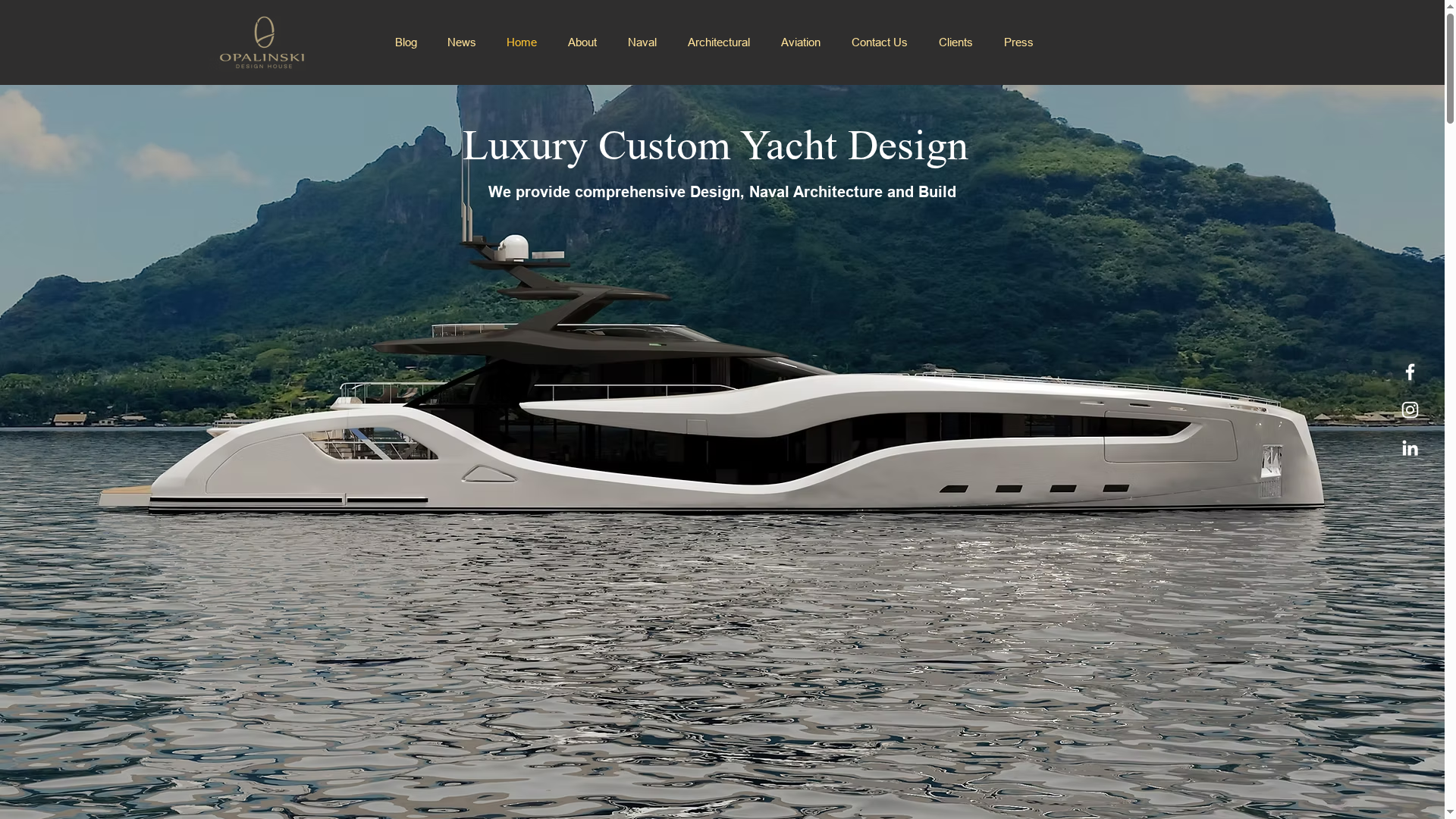
Discover how our forward-thinking yacht design and naval architecture services can turn your aspirations into a masterpiece of luxury and innovation. Visit Opalinski Design House today to explore our portfolio and start your journey toward owning a sustainable yacht designed for ultimate comfort and cutting-edge functionality. Your perfect yacht awaits—contact us now for a personalized consultation.
Frequently Asked Questions
How can minimalist interior design enhance my yacht’s spaciousness?
Minimalist interior design can create a more spacious feel by using intentional simplicity and reducing visual clutter. Focus on utilizing open floor plans, neutral color palettes, and multifunctional furniture to maximize the perception of space within your yacht.
What lighting solutions work best for creating ambiance on a yacht?
Advanced lighting solutions, such as automated LED systems, can effectively create different moods and atmospheres on your yacht. Consider installing dimmable lights and layered lighting zones to easily transition from bright work areas to cozy relaxation settings.
How do fold-down transoms improve outdoor living on a yacht?
Fold-down transoms can dramatically expand usable outdoor space, allowing for seamless transitions between indoor and outdoor areas. Design these features to be easily deployable and safe, enhancing flexibility for entertaining or relaxing.
What sustainable materials should I consider for my yacht’s design?
Choosing sustainable materials like bio-based composites, recycled aluminum, and responsibly sourced wood can reduce your yacht’s environmental impact. Focus on materials that provide durability and aesthetic appeal while also supporting eco-friendly practices.
How can smart technology enhance my yacht experience?
Integrating smart technology allows for greater control over lighting, climate, and security systems, creating a more personalized and efficient yacht environment. Implement systems that can be controlled via mobile devices to adapt settings according to your preferences easily.
What features should I look for in outdoor lounge furniture for my yacht?
When selecting outdoor lounge furniture, opt for modular systems that can be easily reconfigured to suit various social scenarios. Prioritize weather-resistant materials and features that enhance comfort and storage capabilities to maximize functionality.
Recommended

Comments