
Master the Naval Architecture Workflow for Luxury Yachts
- info27745
- Dec 13, 2025
- 8 min read
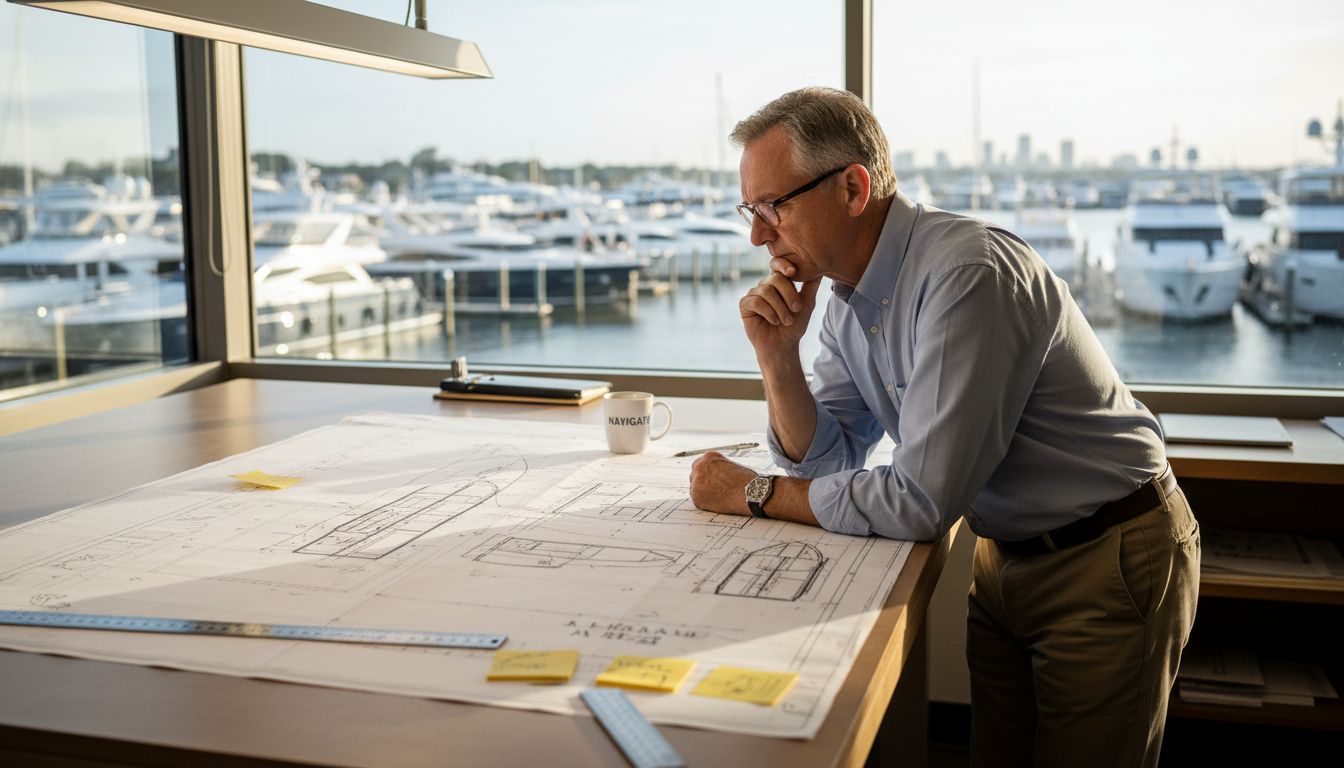
Every ambitious American yacht owner dreams of a vessel that turns heads from Florida to California, yet few realize how every design triumph begins long before construction. Defining clear owner requirements and design objectives is what separates exceptional yachts from ordinary builds. In fact, over 80 percent of successful custom yacht projects credit this step as the foundation for achieving unmatched craftsmanship, tailored aesthetics, and flawless performance. Discover how this early phase shapes your entire yachting experience.
Table of Contents
Quick Summary
Key Insight | Explanation |
1. Define Owner’s Vision | Engage in thorough discussions to capture the owner’s requirements and design goals for a tailored yacht experience. |
2. Develop Conceptual Designs | Explore multiple initial sketches to visualize different spatial configurations and architectural approaches for your yacht. |
3. Integrate Advanced Technologies | Incorporate cutting-edge tech and sustainable solutions to enhance yacht performance and minimize environmental impact. |
4. Refine Structural Engineering | Focus on optimizing hull geometry and system configurations to ensure structural integrity and operational efficiency. |
5. Validate Performance with Testing | Conduct comprehensive testing and quality checks to ensure the yacht meets rigorous performance and quality standards. |
Step 1: Define owner requirements and design objectives
Understanding the precise requirements and design objectives is the foundational blueprint for creating a luxury yacht that perfectly matches an owner’s vision. This crucial initial phase involves an extensive collaborative process where naval architects transform abstract client desires into tangible technical specifications.
The journey begins with comprehensive discussions about intended yacht usage and performance goals. You’ll want to explore every dimension of potential yacht deployment - whether it’s private leisure cruising, international chartering, long-distance ocean voyages, or specialized maritime activities. Each intended purpose dramatically influences core design parameters such as accommodation capacity, range, vessel endurance, and specialized service areas.
During these initial consultations, you and your naval architecture team will systematically document key design criteria. This includes establishing precise performance expectations like desired cruising speed, draft limitations, stability requirements, and maneuverability characteristics. Owners frequently contribute specific aesthetic preferences - whether they lean towards classic maritime elegance or contemporary minimalist design. Special feature requests such as helicopter landing platforms, onboard swimming pools, private cinema spaces, or custom gym areas will also be meticulously incorporated into the preliminary design framework.
Pro tip: Always maintain open and transparent communication throughout this phase. The more precisely you can articulate your vision, the more accurately naval architects can translate your dreams into a functional, breathtaking maritime masterpiece.
Step 2: Develop initial concepts and technical layouts
With owner requirements carefully documented, the next critical phase involves transforming abstract design goals into tangible initial yacht concepts and technical layouts. This step represents where creative vision begins to intersect with precise engineering principles.
Your naval architecture team will start by generating multiple preliminary design sketches that explore different spatial configurations and architectural approaches. These initial renderings will map out key functional zones like living quarters, deck spaces, mechanical areas, and specialized amenities discussed during the requirements gathering phase. Conceptual drawings will typically include top down views, side profile perspectives, and 3D volumetric representations to help you visualize potential design directions.

Technical layout development requires balancing aesthetic aspirations with practical engineering constraints. Designers will carefully analyze how proposed configurations impact vessel performance characteristics such as weight distribution, stability, hydrodynamic efficiency, and structural integrity. Computational modeling tools allow architects to simulate and evaluate different design iterations rapidly prototype potential solutions. Pay close attention during these early stages and provide candid feedback each time new concept drawings are presented. Your input helps refine and optimize the evolving design.
Pro tip: Request multiple concept variations that explore different architectural approaches. This strategy ensures you can compare and contrast design solutions, ultimately selecting the most compelling vision for your custom yacht.
Step 3: Integrate advanced technologies and sustainable solutions
Advanced technological integration represents the cutting edge of modern yacht design where innovation meets exceptional maritime performance. This critical phase transforms your yacht from a simple vessel into an intelligent maritime ecosystem that combines sophisticated engineering with environmental consciousness.
Your naval architecture team will explore multiple technological domains to enhance your yacht’s capabilities. This includes evaluating advanced propulsion systems like hybrid electric marine engines, intelligent energy management platforms, and regenerative power solutions that minimize environmental impact while maximizing operational efficiency. Sustainable material selections become paramount sustainable composites, recycled marine grade aluminum, and carbon fiber alternatives that reduce weight and improve overall vessel performance will be carefully considered.
Smart onboard systems will be another focal point technological integrations like advanced navigation computers, automated climate control mechanisms, predictive maintenance sensors, and comprehensive security networks transform your yacht into an intelligent living environment. These systems not only enhance comfort and safety but also provide real time performance monitoring and diagnostic capabilities. Connectivity solutions including satellite communications, high bandwidth marine internet, and integrated entertainment systems will be seamlessly incorporated to ensure you remain connected regardless of your maritime location.
Pro tip: Always request a comprehensive technology roadmap that outlines not just current integrations but potential future upgrade paths. This approach ensures your yacht remains technologically relevant and adaptable to emerging maritime innovations.
Step 4: Refine structure and system engineering details
Structure and system engineering refinement represents the precision phase where theoretical design concepts transform into technically executable maritime blueprints. This critical stage demands meticulous attention to engineering complexities that ensure your yacht’s structural integrity and operational performance.
Your naval architecture team will employ advanced computational techniques to optimize hull geometry and structural configurations. Sophisticated shape optimization pipelines will be utilized to analyze and minimize drag while maximizing hydrodynamic efficiency. These techniques involve complex computational modeling that simulates fluid dynamics interactions, evaluating multiple design iterations to identify the most optimal structural approach. Reduced order modeling and advanced simulation tools allow engineers to explore intricate design variables without requiring extensive physical prototyping.
Structural resilience modeling becomes paramount during this phase. Engineers will carefully analyze primary structural elements including decks, bulkheads, and hull shell configurations to ensure maximum strength while minimizing material usage. Advanced optimization techniques will help balance safety requirements with weight considerations, using black box algorithmic approaches to explore potential structural configurations. Computational models will simulate extreme maritime conditions to validate the proposed design against potential environmental challenges.
Pro tip: Request comprehensive simulation reports that demonstrate how proposed structural configurations perform under various maritime stress scenarios. This approach ensures your yacht not only looks exceptional but can withstand real world maritime challenges.
Step 5: Validate performance with testing and quality checks
Performance validation represents the critical final phase where theoretical design meets real world maritime performance expectations. This comprehensive testing stage transforms your yacht from a conceptual blueprint into a fully validated maritime masterpiece that meets the most stringent quality and performance standards.
Your naval architecture team will conduct a multilayered testing approach that encompasses computational simulations and physical prototype evaluations. This process involves sophisticated performance modeling that analyzes every aspect of vessel functionality including hydrodynamic efficiency, structural integrity, propulsion system performance, and overall maritime behavior under diverse environmental conditions. Advanced computational tools will generate comprehensive performance metrics that simulate potential scenarios ranging from calm coastal waters to challenging open ocean environments.
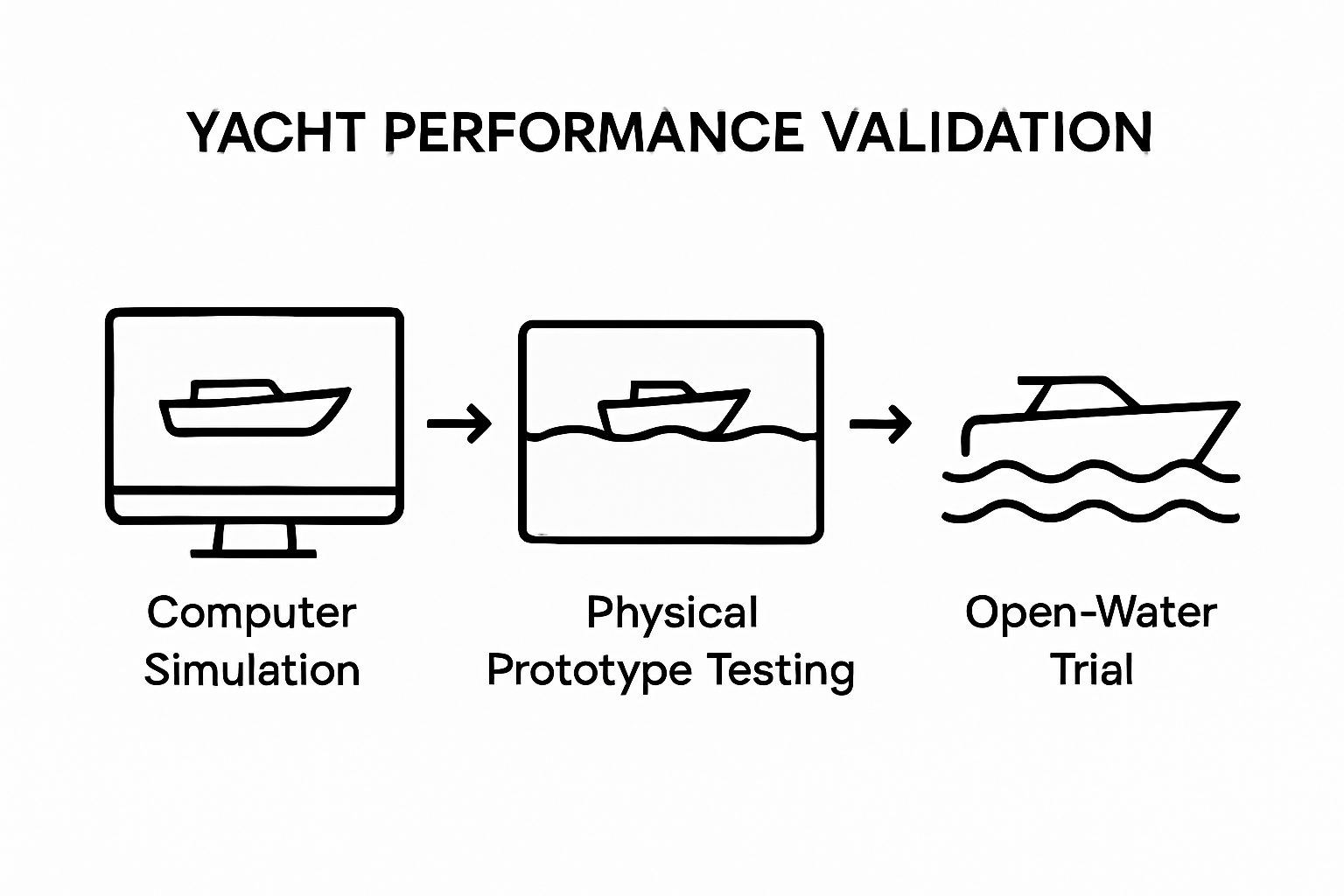
Quality assurance protocols will involve rigorous physical testing across multiple domains. Marine engineers will conduct extensive sea trials to validate computational models, measuring actual performance against predicted specifications. This includes comprehensive evaluations of propulsion efficiency, maneuverability, stability, fuel consumption, and structural response to varying maritime conditions. Specialized testing equipment and sensor networks will capture real time performance data, allowing for precise calibration and refinement of the yacht’s engineering systems.
Pro tip: Request a detailed performance validation report that provides transparent insights into every testing phase. This documentation will not only demonstrate the yacht’s exceptional capabilities but also provide a comprehensive record of its engineering excellence.
Step 6: Present finalized design for client approval
Procedural yacht design strategies culminate in this pivotal moment where your maritime vision transforms from conceptual blueprint to tangible presentation. This stage represents the critical intersection between technical precision and personalized client expectations, where every design detail must eloquently communicate the vessel’s unique character and functional capabilities.
Contemporary yacht design demands more than technical specifications. Your naval architecture team will craft a comprehensive presentation that goes beyond traditional rendering techniques. This will include immersive 3D visualizations, detailed technical schematics, interactive digital walkthroughs, and meticulously prepared documentation that illustrates how each design element harmonizes functionality with your specific lifestyle requirements. Expect a multilayered presentation that reveals not just a yacht, but a personalized maritime environment tailored precisely to your preferences.
The presentation will strategically showcase design elements through multiple perspectives. High resolution renderings will demonstrate exterior aesthetics, while detailed interior layouts will highlight spatial configurations, material selections, and technological integrations. Performance data, efficiency metrics, and comprehensive engineering insights will provide transparent validation of the design’s capabilities. Your naval architects will walk you through each design choice, explaining how specific features address your original requirements and potentially suggesting innovative enhancements that elevate the initial concept.
Pro tip: Approach the presentation with an open and collaborative mindset. While the design represents the culmination of extensive engineering expertise, your feedback remains crucial in refining the final vessel configuration.
Elevate Your Luxury Yacht Vision with Expert Naval Architecture
Crafting a luxury yacht that perfectly blends innovative technology, sustainable solutions, and personalized design requires mastering every step of the naval architecture workflow. From defining your specific requirements and exploring advanced propulsion systems to rigorous structural engineering and performance validation, each phase demands precision and creativity. If you are looking to transform complex concepts like fold-down bulkhead transoms or rotational transoms for vessels over 50 meters into reality, finding the right expert partner is essential.
Discover how Opalinski Design House brings unmatched expertise in bespoke yacht design and patented innovations to every project. With a commitment to quality and a personalized approach, they help yacht owners and builders navigate the entire design process with confidence. Don’t settle for ordinary when your vision calls for exceptional. Visit Opalinski Design House today and take the first step toward creating a breathtaking maritime masterpiece tailored to your lifestyle and performance goals.
Frequently Asked Questions
How do I define my requirements and design objectives for a luxury yacht?
To define your requirements and design objectives for a luxury yacht, start by outlining your intended yacht usage, performance goals, and any specific features you desire. Conduct detailed discussions with your naval architecture team to ensure all your vision aspects are documented within the first few meetings.
What should I expect during the initial concept and technical layout phase?
During the initial concept and technical layout phase, you will see preliminary sketches and design renderings that explore different spatial configurations and architectural approaches. Review these concepts carefully, as your feedback is crucial in refining the design direction and selecting the most compelling options.
How can I ensure advanced technologies and sustainability are integrated into my yacht design?
To ensure your yacht design features advanced technologies and sustainable solutions, communicate your preferences for eco-friendly materials and smart onboard systems. Collaborate closely with your naval architecture team to review the proposed technological integrations and confirm they align with your values and operational goals.
What types of testing and validation should I expect for my yacht’s performance?
You should expect a multilayered testing approach that includes both computational simulations and physical sea trials to validate your yacht’s performance. Request detailed performance validation reports after each testing phase to understand how well the vessel meets your specifications and to identify any necessary adjustments.
How is the final design presentation structured for client approval?
The final design presentation typically includes comprehensive visualizations, technical schematics, and interactive digital walkthroughs that showcase the yacht’s features. Approach the presentation with an open mindset, as this collaborative process allows you to provide feedback that may enhance the design before final approval.
Recommended


Comments