
Principles of Luxury Yacht Design: Innovation and Impact
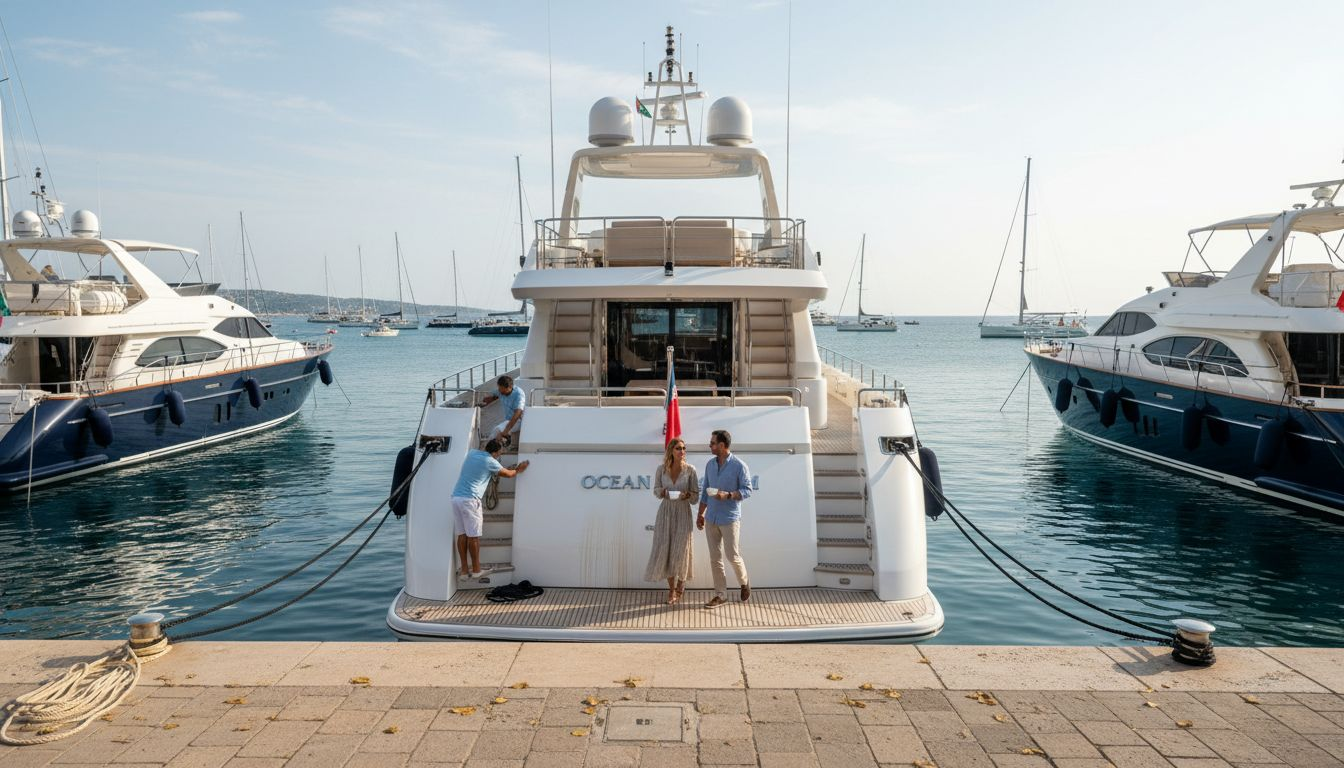
Most American yacht owners now demand more than just beautiful design—they expect sustainability and cutting-edge technology at every turn. With the luxury yacht market seeing a surge in personalized requests, designers are blending emotional comfort, innovative engineering, and eco-friendly practices. This new approach transforms classic marine tradition into something distinctly modern and individualized, offering fresh insight for high-net-worth individuals who want every aspect of their vessel to reflect sophistication, responsibility, and technological mastery.
Table of Contents
Key Takeaways
Point | Details |
Emotional Design and Personalization | Focus on creating a yacht that resonates with the owner’s lifestyle and preferences for a transformative experience. |
Sustainability and Innovative Technologies | Prioritize eco-friendly materials and advanced technologies to reduce environmental impact and enhance performance. |
Distinctive Architectural Styles | Choose a design style that aligns with personal aesthetics and functional needs for a tailored yacht experience. |
Avoiding Project Pitfalls | Implement effective project management strategies that ensure clear communication and adherence to regulations to prevent costly missteps. |
Defining Luxury Yacht Design Principles
Luxury yacht design has transcended traditional aesthetics, evolving into a sophisticated discipline that balances technological innovation, environmental responsibility, and personalized experiences. Modern yacht design principles now integrate complex considerations beyond mere visual appeal, focusing on sustainability and emotional connection.
The contemporary approach to luxury yacht design centers on three fundamental principles: functionality, personalization, and responsible innovation. Designers now recognize that true luxury emerges from understanding the nuanced desires of high-net-worth individuals who seek more than just a vessel—they want a transformative maritime experience. This means creating spaces that are not only technologically advanced and aesthetically stunning but also deeply attuned to the owner’s lifestyle, preferences, and environmental consciousness.
Key design principles include:
Emotional Design: Creating spaces that evoke sensory pleasure and psychological comfort
Sustainable Engineering: Incorporating eco-friendly materials and energy-efficient technologies
Customization: Developing bespoke solutions that reflect individual owner personalities
Performance Integration: Balancing aesthetic elegance with superior maritime engineering
Pro tip: When commissioning a luxury yacht design, prioritize designers who demonstrate a holistic understanding of sustainability, technological innovation, and personalized experiences.
Distinctive Styles and Architectural Approaches
Luxury yacht design encompasses a rich tapestry of architectural styles, each representing a unique approach to maritime aesthetics and functionality. Understanding these distinctive styles requires examining how different design philosophies translate into tangible vessel characteristics. Designers often leverage yacht styling terminology to articulate the nuanced differences between various architectural approaches.
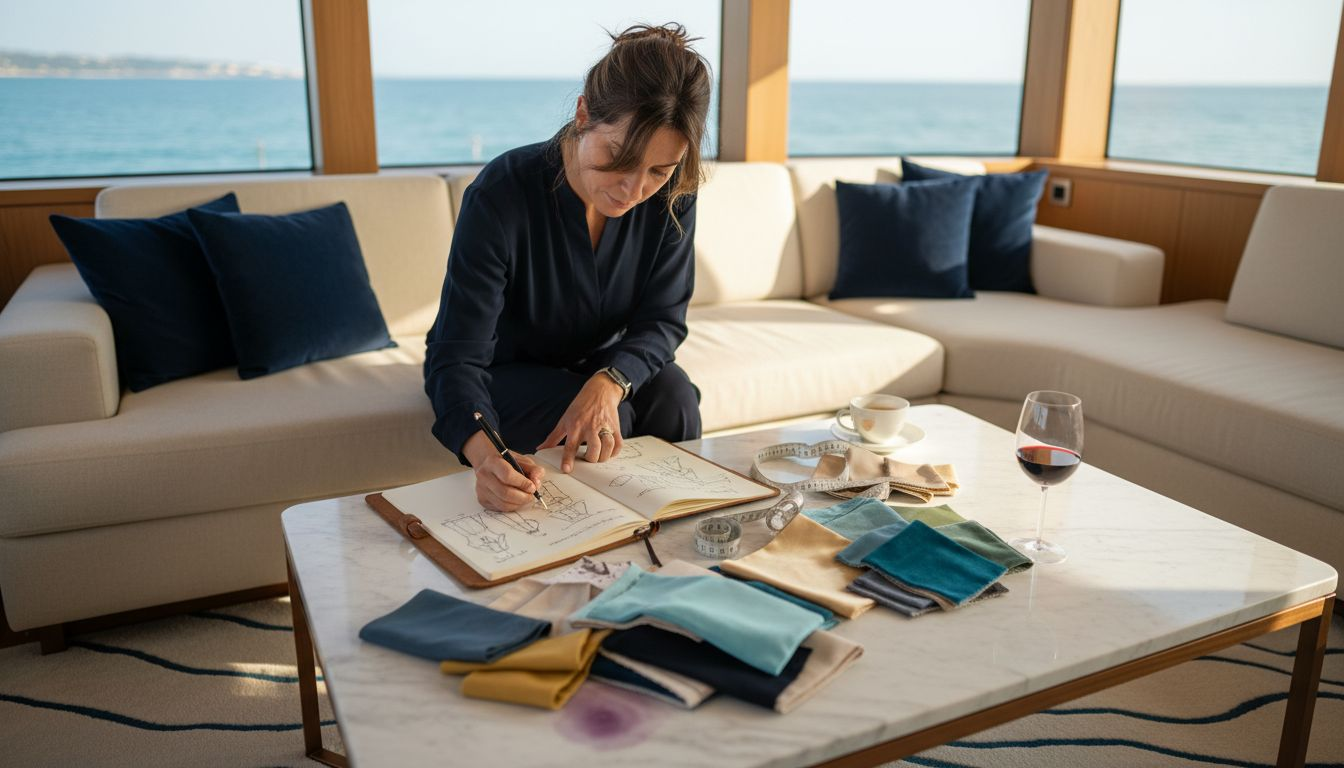
Contemporary yacht design can be broadly categorized into several distinctive architectural styles. The Classic Elegance approach emphasizes timeless lines and traditional maritime proportions, drawing inspiration from historic sailing vessels. In contrast, the Modern Minimalist style prioritizes clean geometric forms, maximizing interior space and creating a sense of streamlined sophistication. Another emerging style, the Technological Futurist design, integrates cutting-edge materials and advanced engineering principles to create vessels that look more like floating technological sculptures than traditional watercraft.
Each architectural style represents a unique design philosophy:
Classic Elegance: Traditional wooden finishes, curved lines, ornate detailing
Modern Minimalist: Monochromatic color schemes, geometric shapes, open floor plans
Technological Futurist: Advanced composite materials, asymmetrical designs, integrated smart technologies
Organic Harmony: Designs that blend seamlessly with marine environments
Pro tip: When selecting a yacht design style, consider how the architectural approach reflects your personal aesthetic and functional requirements.
Here’s a comparison of four prominent luxury yacht design styles and their defining characteristics:
Style | Aesthetic Focus | Typical Features | Target Owner Profile |
Classic Elegance | Timeless sophistication | Crafted wooden details, curved exteriors | Traditional, heritage-focused |
Modern Minimalist | Clean simplicity | Open spaces, geometric shapes | Contemporary, modernist |
Technological Futurist | Advanced innovation | Futuristic forms, smart technology | Tech-forward, trendsetting |
Organic Harmony | Nature integration | Eco-friendly materials, natural palettes | Environmentally conscious, artistic |
Innovative Technologies and Sustainable Solutions
The luxury yacht design landscape is experiencing a profound transformation driven by technological innovation and environmental consciousness. Integrated design methodologies are revolutionizing how designers approach sustainable yacht development, combining digital tools with eco-conscious engineering principles.
Emergent sustainable technologies are reshaping yacht design across multiple dimensions. Advanced propulsion systems now include hybrid electric-hydrogen engines, dramatically reducing carbon emissions while maintaining superior performance. Innovative materials like carbon fiber composites and recycled ocean plastics are replacing traditional manufacturing approaches, enabling lighter, more energy-efficient vessel construction. Smart navigation systems integrated with real-time environmental monitoring allow yacht owners to minimize their ecological footprint while maintaining luxurious travel experiences.
Key technological innovations in sustainable yacht design include:
Alternative Energy Systems: Solar panel integration, wind turbine technologies
Advanced Materials: Lightweight composite structures, self-healing materials
Waste Management: Onboard recycling systems, water purification technologies
Intelligent Design: Digital simulation tools for optimizing vessel efficiency
Pro tip: Prioritize yacht designers who demonstrate a comprehensive approach to technological innovation and environmental sustainability.
This table highlights how innovative yacht technologies deliver luxury and sustainability benefits:
Technology | Design Benefit | Environmental Impact |
Hybrid Propulsion | Smooth, quiet cruising | Reduces carbon emissions |
Smart Navigation | Efficient route planning | Minimizes fuel consumption |
Recycled Materials | Lightweight, durable hulls | Reduces waste, lower footprint |
Onboard Water Systems | Enhanced comfort onboard | Conserves water, less runoff |
Ergonomics, Comfort, and Bespoke Interiors
Luxury yacht design has evolved far beyond aesthetic considerations, transforming interior spaces into meticulously crafted environments that reflect emotional design principles. The contemporary approach to yacht interior design prioritizes human experience, integrating ergonomic precision with personalized spatial experiences that transcend traditional maritime environments.
Ergonomic excellence in yacht design demands a holistic understanding of human interaction with space. Designers now employ advanced anthropometric measurements and biomechanical analysis to create living areas that adapt seamlessly to individual movement patterns. This approach involves carefully calibrated furniture placement, custom-designed seating configurations, and intelligent spatial layouts that minimize physical strain while maximizing comfort. Innovative materials and adaptive technologies enable interiors that can transform and respond to the owner’s specific needs, creating dynamic living spaces that feel simultaneously expansive and intimate.
Key ergonomic and comfort considerations include:
Spatial Optimization: Intelligent layout design that maximizes usable space
Motion Comfort: Advanced stabilization systems reducing vessel movement
Acoustic Engineering: Noise reduction technologies for serene environments
Adaptive Interfaces: Smart systems that adjust to user preferences
Pro tip: Request detailed ergonomic assessments and personalized mockups when commissioning a custom yacht interior to ensure perfect alignment with your lifestyle and physical comfort requirements.
Navigating Material Choices and Safety Standards
Luxury yacht design demands an intricate balance between innovative materials, performance requirements, and stringent safety standards and classification rules. Modern yacht construction has evolved beyond traditional material selection, integrating advanced composites and environmentally conscious solutions that meet increasingly complex maritime safety regulations.
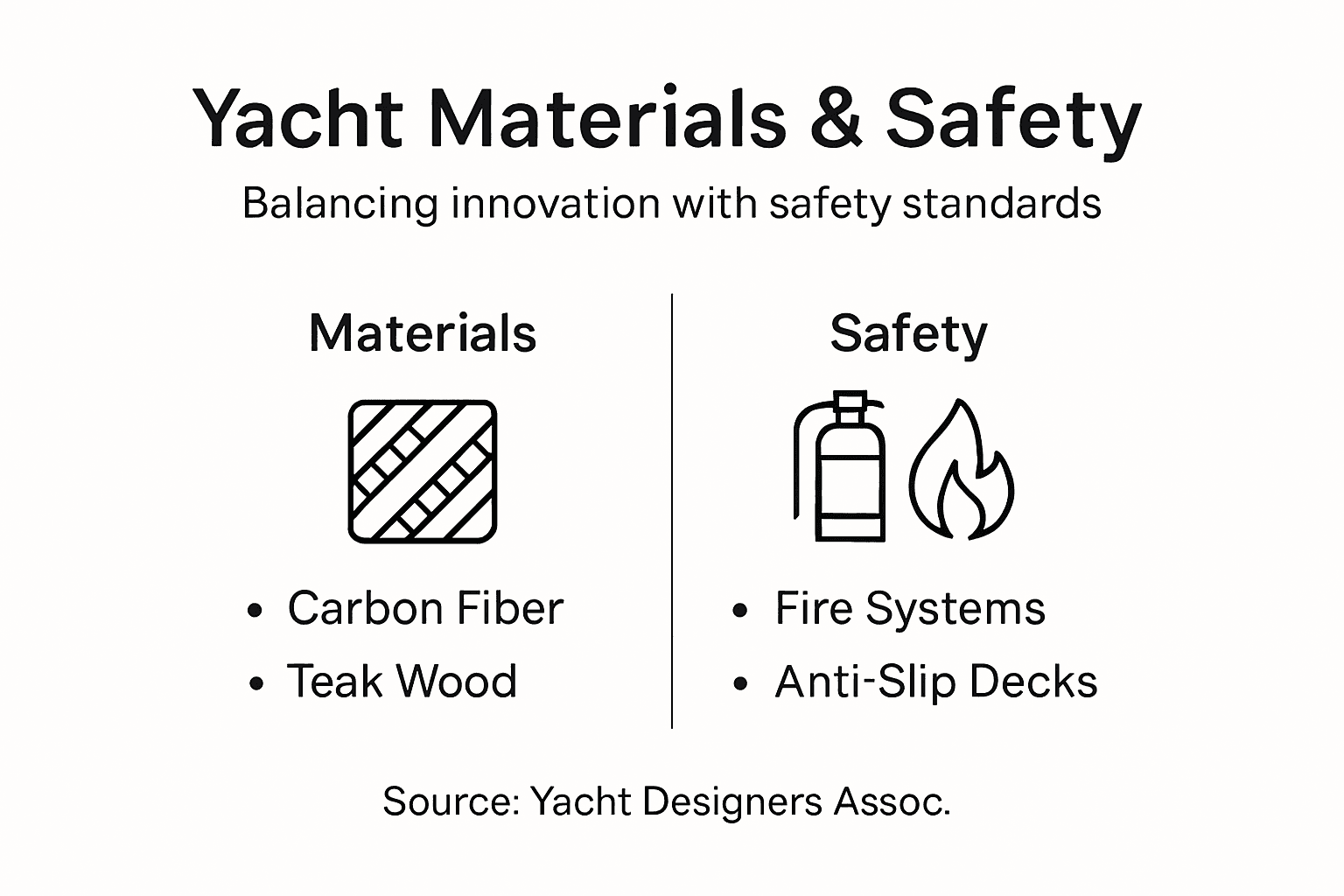
The material selection process for luxury yachts involves comprehensive evaluation across multiple dimensions. Designers must consider structural integrity, weight optimization, corrosion resistance, thermal performance, and ecological impact. Advanced composite materials like carbon fiber, high-performance aluminum alloys, and sustainable synthetic compounds now replace traditional construction materials, offering superior strength-to-weight ratios and enhanced durability. These materials undergo rigorous testing to ensure they meet international maritime safety standards, with certification processes that verify performance under extreme maritime conditions.
Key considerations in material selection include:
Structural Strength: High-performance composites with superior load-bearing capabilities
Weight Optimization: Materials that reduce overall vessel weight without compromising safety
Corrosion Resistance: Advanced alloys and protective coatings
Environmental Sustainability: Recyclable and low-impact material choices
Thermal Performance: Materials with excellent insulation and temperature regulation properties
Pro tip: Always request comprehensive material performance certifications and third-party testing documentation when evaluating yacht construction materials.
Common Pitfalls in High-End Yacht Projects
Luxury yacht projects are fraught with complex challenges that can derail even the most ambitious designs. Design process inefficiencies frequently emerge as critical obstacles, undermining project success and potentially resulting in substantial financial and reputational risks.
The most prevalent pitfalls in high-end yacht projects stem from fundamental strategic and communication breakdowns. Ineffective stakeholder collaboration, poor technological integration, and insufficient environmental consideration can transform a promising yacht design into a costly failure. Common missteps include underestimating regulatory complexity, neglecting sustainable innovation principles, and failing to balance aesthetic aspirations with technical feasibility. Successful yacht designers must navigate these challenges by implementing integrated design methodologies, maintaining transparent communication, and prioritizing adaptable, forward-thinking approaches.
Key pitfalls to avoid in luxury yacht projects include:
Technological Misalignment: Inadequate integration of emerging design technologies
Regulatory Non-Compliance: Overlooking complex maritime safety and environmental regulations
Budget Overruns: Insufficient cost management and scope creep
Stakeholder Misunderstandings: Poor communication between designers, owners, and builders
Sustainability Neglect: Failing to incorporate eco-conscious design principles
Pro tip: Implement comprehensive project management strategies that emphasize continuous stakeholder engagement and flexible design methodologies.
Elevate Your Vision With Innovative Luxury Yacht Design
The journey to creating a perfectly balanced luxury yacht involves navigating complex challenges like integrating sustainable technologies, achieving ergonomic comfort, and embodying bespoke elegance all while complying with stringent safety standards. These are the precise goals discussed in the article “Principles of Luxury Yacht Design: Innovation and Impact” where understanding concepts like emotional design and technological futurist styles help realize transformative maritime experiences. At Opalinski Design House, we specialize in turning these nuanced principles into reality through cutting-edge naval architecture and patented innovations such as the fold-down transoms that redefine luxury and functionality.
Discover how our holistic approach, combining sustainable engineering with personalized interior styling, addresses common pain points like project inefficiencies and regulatory complexity. Take the first step toward your dream vessel by exploring our expertise in luxury yacht innovation and learn how our bespoke solutions can harmonize your aesthetic vision with technological excellence. Contact us now to get a customized quote and transform your luxury yachting aspirations into an iconic reality.
Frequently Asked Questions
What are the main principles of luxury yacht design?
The primary principles of luxury yacht design include emotional design, sustainable engineering, customization, and performance integration. These elements focus on creating a personalized experience while balancing aesthetics with functionality and environmental responsibility.
How does technology influence modern luxury yacht design?
Technology plays a crucial role in luxury yacht design by integrating advanced materials, innovative propulsion systems, and smart navigation tools. These technologies enhance performance, sustainability, and the overall user experience, making yachts not only more efficient but also more luxurious.
What is emotional design in the context of luxury yachts?
Emotional design refers to the creation of spaces that evoke sensory pleasure and psychological comfort. In luxury yacht design, this principle aims to connect the owner’s lifestyle and preferences with the onboard experience, making the yacht feel more like a personal retreat.
What are common pitfalls in high-end yacht projects?
Common pitfalls include technological misalignment, regulatory non-compliance, budget overruns, stakeholder misunderstandings, and neglecting sustainability principles. Successful yacht projects require effective communication, integrated design methodologies, and careful management of resources.
Recommended

Comments