
Role of Interior Styling in Luxury Yacht Design
- info27745
- Dec 18, 2025
- 8 min read
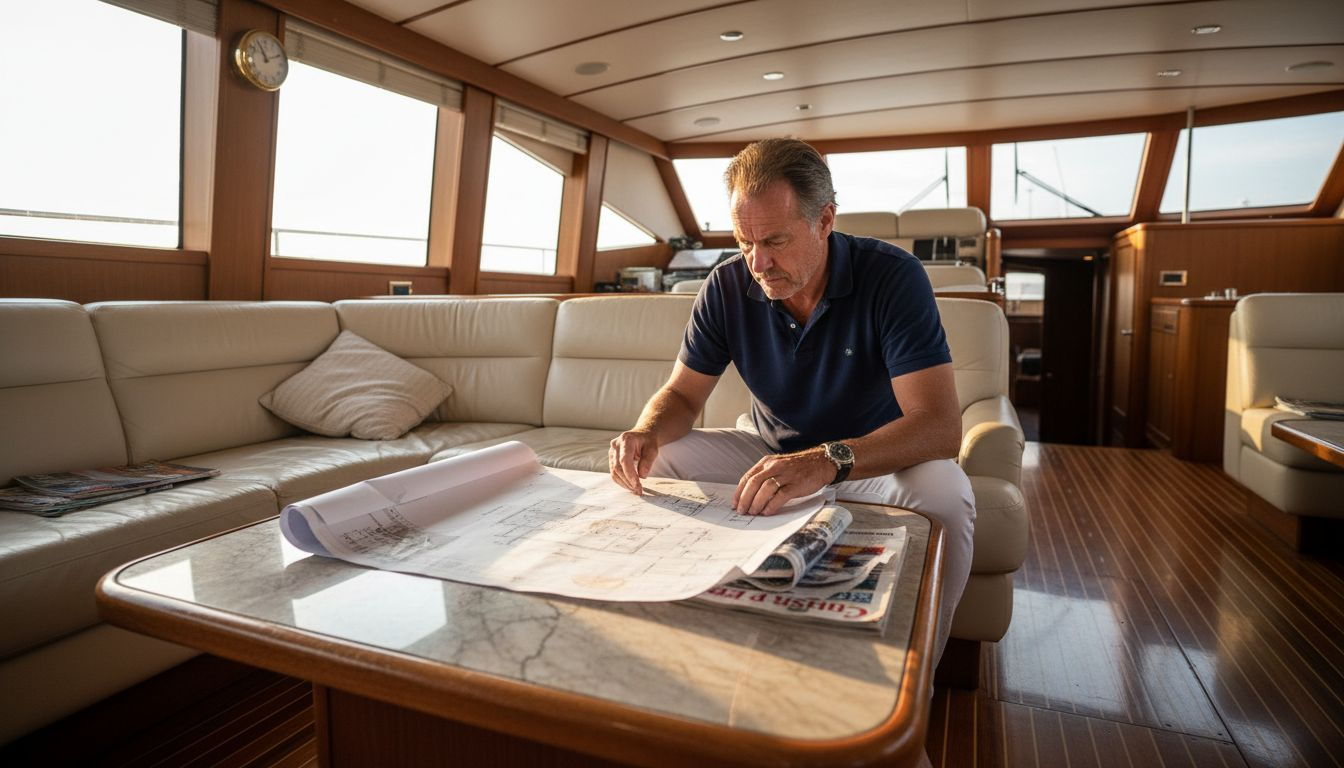
Most American yacht buyers expect more than luxury, yet few realize how much science and artistry shape these floating environments. With yachts becoming both homes and statements of style, interior styling has evolved into an exacting discipline where one flawed detail can compromise comfort and performance. Discover how modern yacht interiors combine advanced engineering, creative design, and personal touches to deliver spaces that feel extraordinary at sea and beyond.
Table of Contents
Key Takeaways
Point | Details |
Interior Styling Importance | Yacht interior styling combines artistic vision and functional engineering for personalized experiences in challenging maritime environments. |
Design Principles | Successful yacht design requires an understanding of hydrodynamics, material selection, and technological integration to ensure comfort and longevity. |
Personalization Process | The design journey involves collaboration with owners to create personalized interiors that reflect individual narratives and lifestyle needs. |
Sustainability Trends | Emerging trends prioritize sustainable materials and practices, reducing environmental impact while maintaining high aesthetic standards. |
Defining Interior Styling in Yacht Design
Interior styling in yacht design represents a sophisticated intersection of artistic vision, functional engineering, and personalized spatial experiences. Unlike traditional interior design, yacht interior styling demands an extraordinary level of precision and adaptability, considering the unique challenges of maritime environments. Parametric design models have emerged as critical tools for creating cohesive design strategies that seamlessly integrate exterior forms with interior layouts.
At its core, yacht interior styling transcends mere decoration. It involves crafting immersive environments that balance aesthetic elegance, ergonomic functionality, and technical performance. Naval architects and designers must consider complex factors like weight distribution, material durability, motion dynamics, and environmental adaptability. Each design element serves multiple purposes: aesthetic appeal, structural integrity, and passenger comfort.
The process of defining interior styling involves several critical dimensions. Designers must harmonize visual aesthetics with practical maritime requirements, creating spaces that feel simultaneously luxurious and scientifically engineered. This requires deep understanding of materials that can withstand marine conditions, advanced engineering principles, and an intuitive sense of spatial dynamics. Design language becomes a critical communication tool, translating client preferences into precise technical specifications.
Pro Tip: Develop comprehensive material mock-ups and digital renderings before final yacht interior implementation to ensure perfect alignment between aesthetic vision and technical feasibility.
By understanding the creative process in yacht design, professionals can transform interior spaces from mere functional areas into extraordinary maritime experiences that reflect both technological innovation and personal expression.
Here’s a summary of the major challenges and solutions unique to yacht interior styling:
Challenge | Design Solution | Impact on Experience |
Weight limits | Use lightweight composites | Maintains vessel stability |
Motion dynamics | Motion-compensated furniture | Enhances onboard comfort |
Saltwater exposure | Marine-grade finishes | Increases material longevity |
Space efficiency | Modular, multi-use layouts | Maximizes functional areas |
Tech integration | Hidden smart systems | Preserves luxury aesthetics |
Key Elements and Design Principles
Yacht interior design integrates multiple sophisticated design principles that transform maritime spaces into extraordinary living environments. Fundamental yacht design principles emphasize the critical intersection between aesthetic elegance and technical performance, requiring designers to balance visual appeal with complex engineering requirements. This holistic approach demands comprehensive understanding of materials, spatial dynamics, and environmental adaptations.
The core design principles encompass several key elements that define luxury yacht interiors. Hydrodynamic considerations play a paramount role, with designers carefully analyzing weight distribution, motion dynamics, and structural integrity. Advanced hydrodynamic techniques influence everything from material selection to spatial configuration, ensuring that each interior element contributes to the vessel’s overall performance and stability.
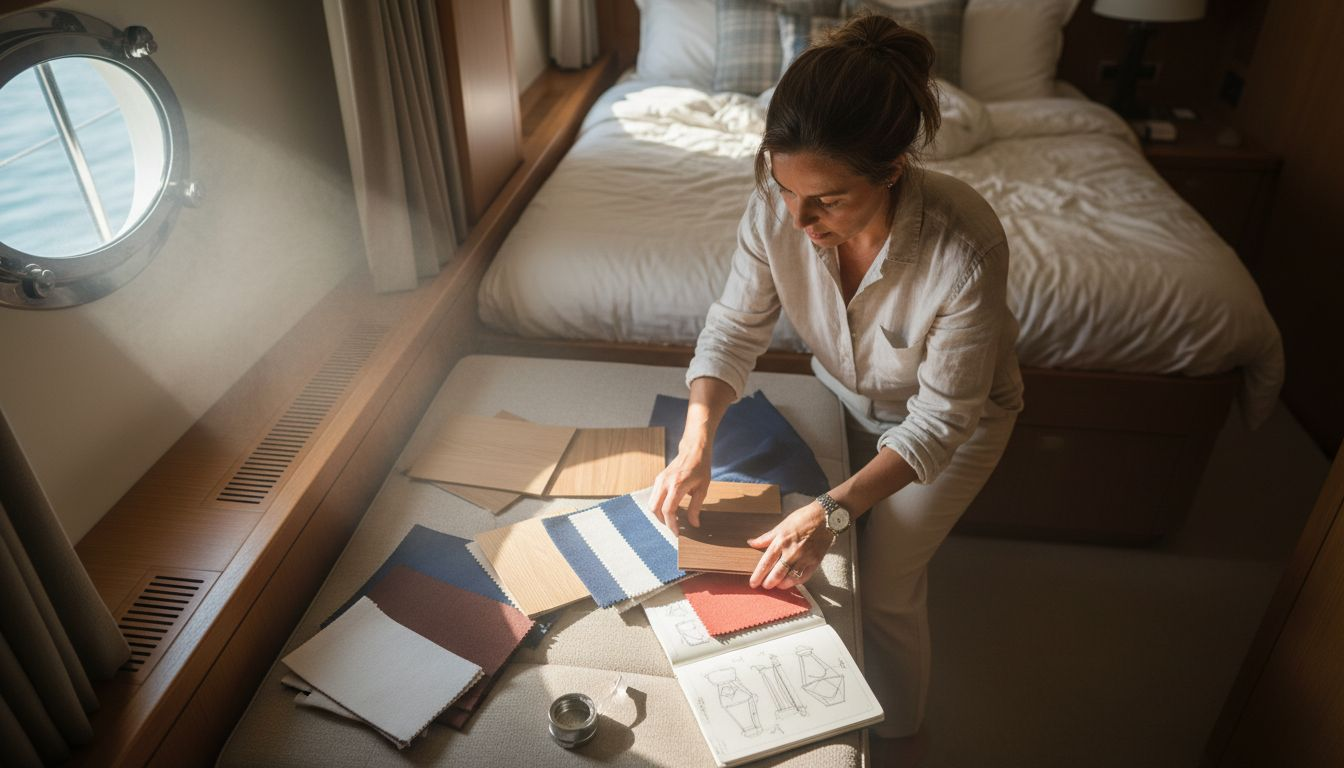
Material selection represents another crucial design principle in yacht interior styling. Designers must choose materials that withstand extreme maritime conditions while maintaining aesthetic sophistication. This involves selecting surfaces resistant to saltwater corrosion, temperature fluctuations, and continuous maritime movement. Innovative composite materials, marine-grade fabrics, and specialized finishes become critical components in creating durable yet luxurious interior environments.
Technological integration has emerged as a fundamental design principle, transforming yacht interiors into intelligent living spaces. Smart systems that control lighting, climate, entertainment, and navigation are seamlessly incorporated into the design, creating intuitive and responsive environments. These technological elements must be integrated aesthetically, ensuring they enhance rather than disrupt the visual harmony of the interior space.
Pro Tip: Prioritize modular design approaches that allow flexibility and easy maintenance, enabling yacht interiors to adapt to changing technological and aesthetic requirements over time.
Personalization and Owner Collaboration
Luxury yacht interior design transcends technical specifications, becoming a deeply personal narrative that reflects the owner’s unique lifestyle, preferences, and aspirations. The art of yacht interior styling involves an intricate collaborative process that transforms maritime spaces into personalized sanctuaries, bridging the gap between technical engineering and individual expression.
Collaboration begins with comprehensive discovery sessions where designers conduct in-depth consultations to understand the owner’s vision, aesthetic sensibilities, and functional requirements. Personal narrative mapping becomes a critical methodology, enabling designers to translate abstract preferences into tangible design elements. This process involves exploring the owner’s professional background, personal hobbies, cultural influences, and emotional connections to maritime experiences, ensuring that each design element tells a unique story.
Technical personalization extends beyond visual aesthetics, incorporating custom solutions that address specific lifestyle needs. Designers must seamlessly integrate specialized features like private workspaces, custom entertainment systems, wellness areas, and adaptive living environments that can transform based on the owner’s changing requirements. Advanced parametric design tools allow for unprecedented levels of customization, enabling minute adjustments that reflect individual ergonomic preferences and spatial interactions.
The collaborative design journey involves multiple iterative stages, including detailed mood board presentations, digital rendering simulations, and scaled physical models. These visualization techniques allow owners to experience potential design concepts before final implementation, ensuring perfect alignment between conceptual vision and practical execution. Designers act as both technical experts and creative interpreters, translating complex maritime engineering constraints into emotionally resonant spatial experiences.
Pro Tip: Establish a comprehensive design brief that includes not just aesthetic preferences, but detailed lifestyle documentation, enabling designers to create truly personalized maritime environments that anticipate and exceed owner expectations.
Impact on Comfort and User Experience
Advanced motor yacht interior design strategies fundamentally transform maritime spaces from mere transportation into comprehensive living environments that prioritize human experience. The intersection of ergonomics, technological integration, and psychological comfort becomes paramount in creating yacht interiors that transcend traditional design boundaries, ensuring passengers experience unprecedented levels of physical and emotional well-being.
Ergonomic engineering represents the cornerstone of user experience in yacht interior design. Designers meticulously analyze human movement patterns, body mechanics, and spatial interactions to create environments that naturally adapt to maritime conditions. This involves developing custom furniture with dynamic stabilization features, implementing intelligent motion-compensating seating, and designing circulation paths that minimize physical strain during vessel movement. Advanced biomechanical principles guide every design decision, transforming potential discomfort into seamless, intuitive spatial experiences.
Technological integration plays a critical role in enhancing user comfort, transforming yacht interiors into intelligent, responsive environments. Smart systems now encompass adaptive climate control, personalized lighting scenarios, soundproofing technologies, and predictive maintenance interfaces. These technological solutions go beyond mere convenience, creating holistic ecosystems that anticipate and respond to occupants’ physiological and psychological needs. Sensory experience becomes a sophisticated choreography of environmental elements working in perfect harmony.
Psychological comfort emerges as an equally important design consideration, recognizing that maritime environments can induce unique emotional responses. Designers carefully select color palettes, texture combinations, and spatial configurations that promote relaxation, reduce motion-induced stress, and create a sense of security. Natural light optimization, visual connections with exterior environments, and strategically designed private and communal spaces contribute to a comprehensive approach to emotional well-being.
Pro Tip: Implement multi-sensory design principles that consider visual, tactile, auditory, and even olfactory experiences to create truly immersive and psychologically supportive maritime environments.
Emerging Trends and Sustainable Materials
Yacht interior design trends for 2025 are revolutionizing maritime spaces through unprecedented commitments to sustainability, technological innovation, and environmental consciousness. The luxury yacht industry is experiencing a profound transformation, with designers and naval architects reimagining interior styling as a holistic approach that balances aesthetic excellence with ecological responsibility.
Sustainable material innovation has become a critical driver of contemporary yacht interior design. Advanced composite materials derived from recycled ocean plastics, regenerative biomaterials, and carbon-neutral manufacturing processes are replacing traditional luxury materials. Designers now explore innovative solutions like algae-based textiles, reclaimed wood from sustainable forests, and high-performance composites that dramatically reduce environmental impact while maintaining exceptional aesthetic and functional qualities.
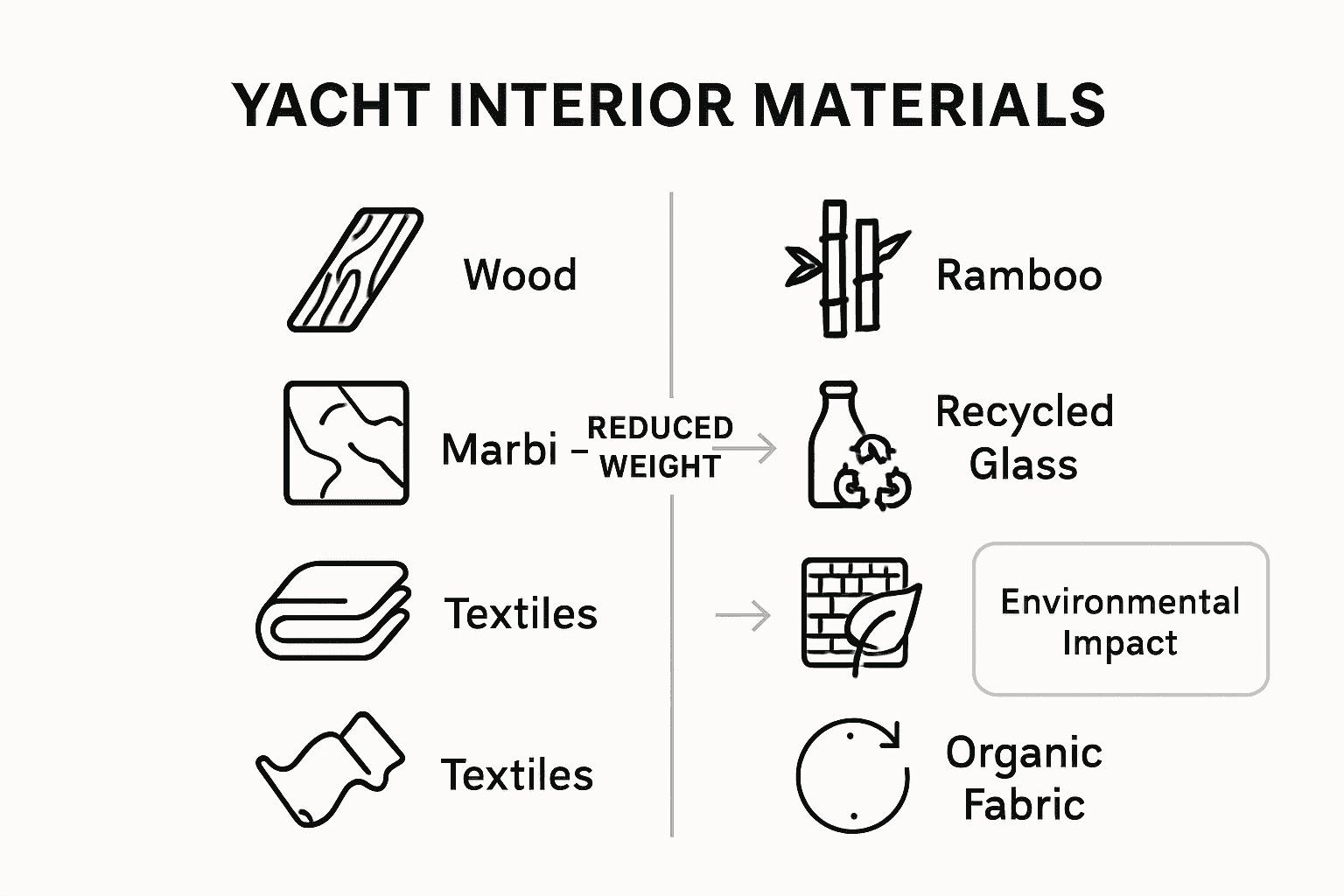
Technological integration plays a crucial role in sustainable yacht interior design, with smart systems enabling unprecedented energy efficiency and environmental monitoring. Advanced climate control technologies, renewable energy integration, and intelligent waste management systems transform yacht interiors into living ecosystems that minimize ecological footprints. These technologies go beyond mere conservation, creating interactive environments that educate and engage occupants about sustainable maritime practices.
The emerging design philosophy extends beyond material selection, encompassing a comprehensive approach to lifecycle sustainability. Designers now consider entire production cycles, from material sourcing to eventual vessel decommissioning, implementing circular design principles that prioritize recyclability, longevity, and minimal environmental disruption. This holistic perspective represents a fundamental reimagining of luxury yacht design, where environmental stewardship becomes an integral aspect of aesthetic and functional excellence.
Compare how traditional yacht interiors differ from emerging sustainable approaches:
Aspect | Traditional Approach | Sustainable Approach |
Primary materials | Exotic hardwoods, leather | Recycled composites, biomaterials |
Energy use | Conventional generators | Renewable energy integration |
Lifecycle planning | Limited recyclability | Circular, recyclable design |
Environmental impact | Significant footprint | Reduced ecological harm |
Pro Tip: Prioritize modular design strategies that allow for easy material replacement and upgrading, enabling yacht interiors to evolve with emerging sustainable technologies without complete redesign.
Elevate Your Yacht Experience through Expert Interior Styling
Luxury yacht interior styling demands a perfect blend of innovation, personalization, and technical excellence to address challenges such as weight limits, motion dynamics, and material durability. If you seek an interior that truly reflects your lifestyle while optimizing comfort and sustainability, understanding these crucial elements is just the first step. At Opalinski Design House, we specialize in translating complex maritime engineering and bespoke design language into stunning, functional interiors that elevate your vessel’s performance and emotional appeal.
Discover how our patented technological innovations like fold-down transoms and modular design solutions can redefine your yacht’s interior. With a commitment to cutting-edge materials and personalized collaboration, we ensure your yacht does more than just sail—it becomes a unique sanctuary customized for you. Act now to bring your vision to life with the leading experts in luxury yacht design. Visit Opalinski Design House and explore how our comprehensive services can transform your dream into reality.
Frequently Asked Questions
What is the difference between yacht interior styling and traditional interior design?
Yacht interior styling focuses on creating immersive environments suitable for maritime conditions, integrating aesthetic elegance with functional performance. In contrast, traditional interior design typically does not consider the unique challenges faced in marine environments.
What are some key challenges in yacht interior styling?
Key challenges include weight limits, motion dynamics, saltwater exposure, space efficiency, and integrating advanced technology while maintaining luxury aesthetics. Each challenge demands specific design solutions to ensure safety and comfort.
How does material selection impact yacht interior design?
Material selection is crucial in yacht design as materials must withstand extreme maritime conditions such as saltwater corrosion and temperature fluctuations while maintaining aesthetic appeal and comfort. Designers often opt for marine-grade fabrics and advanced composite materials to enhance durability.
Why is personalization important in yacht interior styling?
Personalization in yacht interior styling ensures that the space reflects the owner’s unique lifestyle and preferences. It involves collaborative design processes that translate personal narratives into functional and aesthetic elements, creating a living environment that feels tailored and distinctive.
Recommended


Comments