
Role of Technology in Yacht Design: Complete Guide
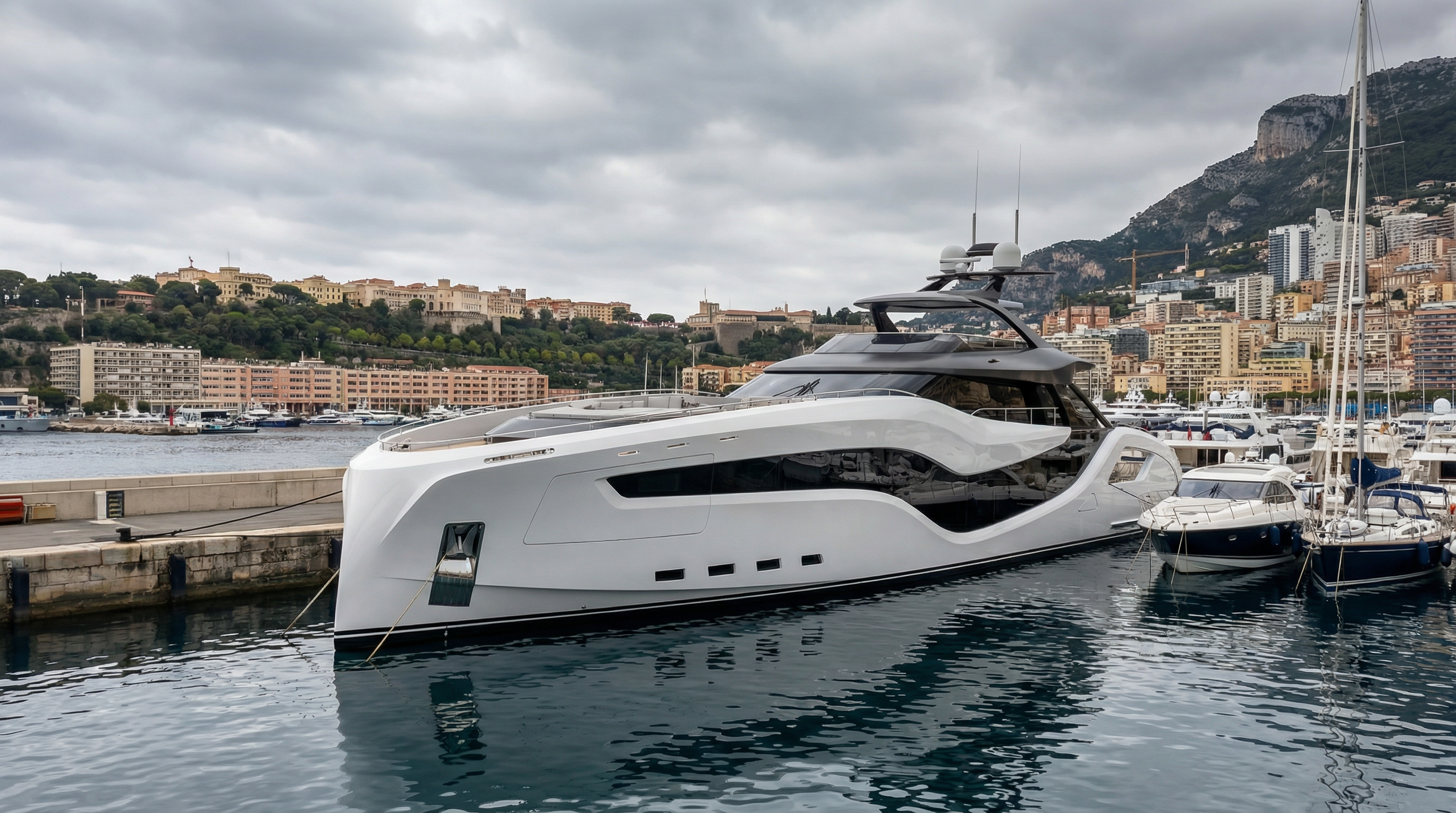
Most american yacht owners now demand more than just sleek looks or luxury finishes. Technology has become the driving force behind a new era of yacht design, where innovation shapes everything from fuel efficiency to onboard safety. With digital integration influencing over 80 percent of modern yacht features today, the way vessels are designed and experienced has changed dramatically. Discover how technology is rewriting the rules for yacht performance, comfort, and environmental responsibility.
Table of Contents
Key Takeaways
Point | Details |
Technological Integration | Modern yacht design incorporates advanced technologies, transforming traditional vessels into adaptive, intelligent platforms. |
Smart Navigation Systems | AI-driven navigation and automated docking enhance precision and safety in yacht operations. |
Sustainable Innovations | Emerging technologies like hydrogen fuel cells and hybrid propulsion systems promote eco-friendly yacht design. |
Investment Considerations | The balance between upfront costs and long-term benefits of technological advancements is crucial for yacht manufacturers and owners. |
Defining Technology’s Influence on Yacht Design
Technology has fundamentally reshaped yacht design, transforming these luxury vessels from traditional watercraft into sophisticated floating technological platforms. Modern naval architects now integrate advanced computational systems, cutting-edge materials, and intelligent design strategies that redefine maritime engineering. Digital innovation drives every aspect of contemporary yacht creation, enabling unprecedented levels of performance, efficiency, and personalization.
The technological revolution in yacht design encompasses multiple critical dimensions. Computational modeling allows designers to simulate complex maritime environments with extreme precision, enabling engineers to predict vessel behavior under various conditions before physical construction begins. Advanced 3D modeling software permits intricate design iterations that would have been impossible just decades ago, allowing naval architects to experiment with hull shapes, weight distributions, and hydrodynamic characteristics with remarkable accuracy. These digital tools significantly reduce development time and minimize potential design flaws.
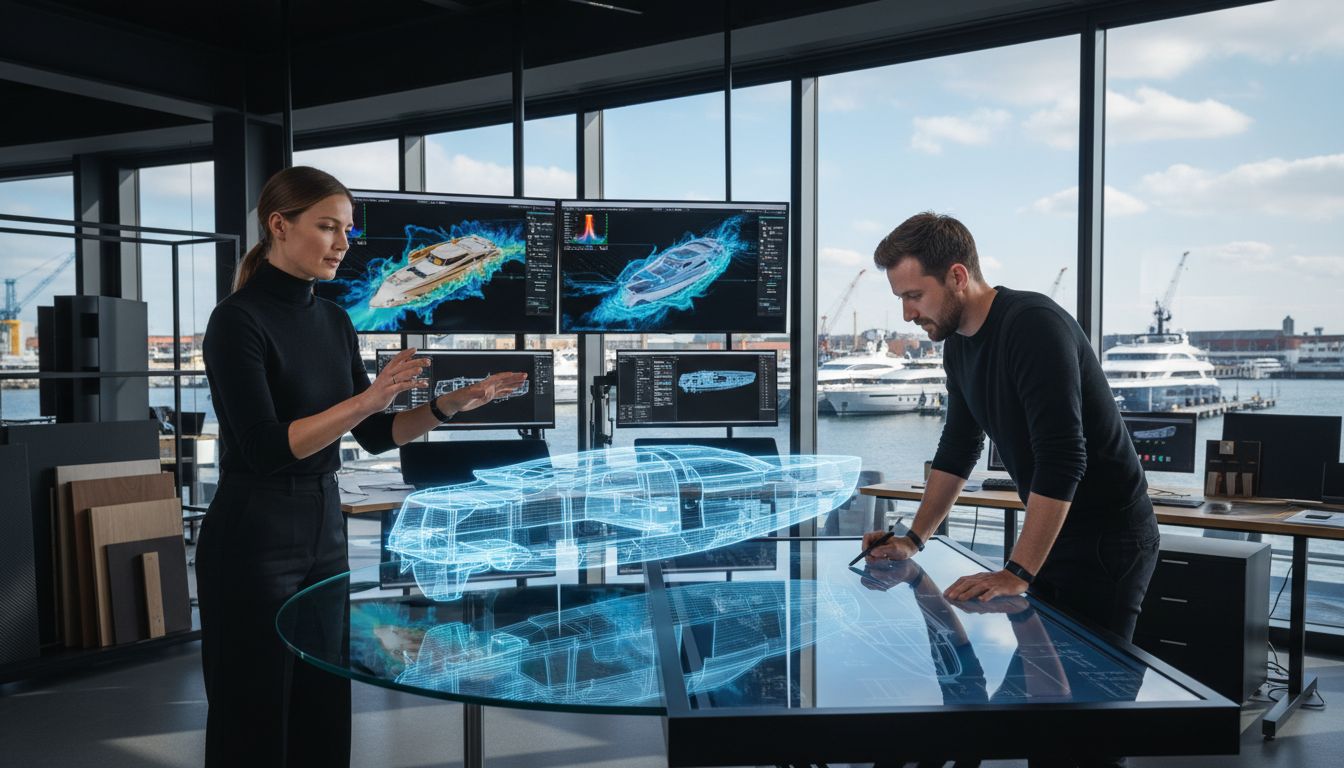
Key technological influences in yacht design include several transformative elements:
Advanced materials like carbon fiber composites and lightweight alloys
Computational fluid dynamics for optimizing hull performance
Integrated navigation systems with real-time environmental monitoring
Energy management technologies supporting sustainable propulsion
Automated control systems enhancing onboard safety and operational efficiency
The integration of smart technologies has also revolutionized yacht functionality. Onboard systems now feature intelligent climate control, adaptive stabilization mechanisms, and networked communication platforms that provide unprecedented levels of comfort and operational control. Yacht designers increasingly view their creations as dynamic technological ecosystems, where every component is interconnected and responsive to changing environmental and user requirements. This holistic approach represents a profound shift from traditional maritime engineering toward a more adaptive, intelligent approach to vessel design.
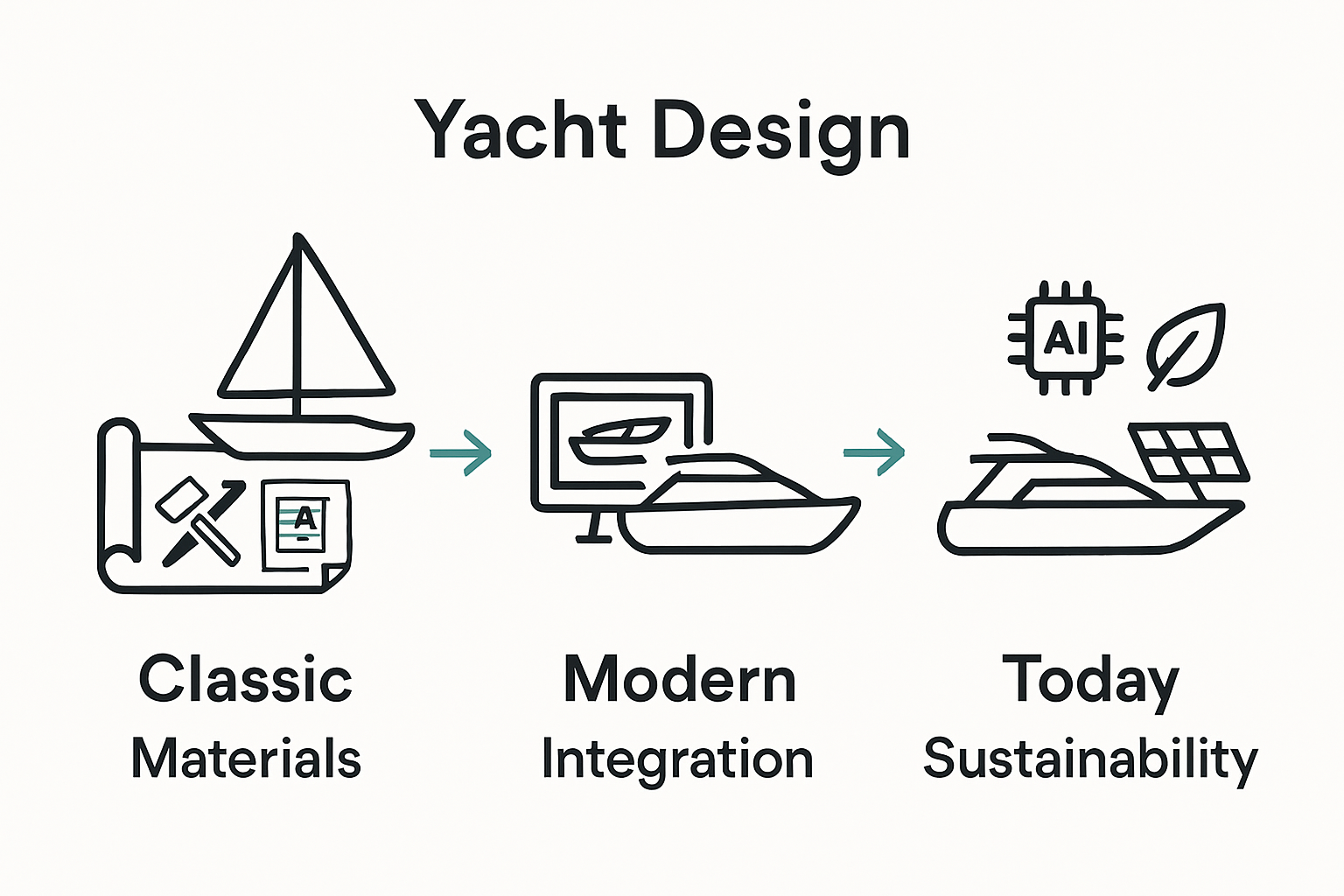
Types of Technological Innovations in Yachts
The yacht industry is experiencing a technological renaissance, with innovations transforming every aspect of maritime design and functionality. Admiral Yacht highlights the critical digital transformation reshaping vessel engineering, introducing sophisticated systems that dramatically enhance performance, safety, and user experience. Smart technologies are no longer optional additions but fundamental components of modern yacht design, representing a comprehensive reimagining of maritime technological potential.
Navigation and control systems represent one of the most significant technological frontiers. Novelli Yachts explores breakthrough innovations like AI-driven navigation and automated docking systems that provide unprecedented levels of precision and safety. These advanced technologies enable yacht operators to manage complex maritime environments with remarkable ease, utilizing real-time data processing, predictive algorithms, and integrated sensor networks that continuously monitor vessel performance and environmental conditions.
Key technological innovations in contemporary yacht design include:
Artificial Intelligence navigation systems
Remote monitoring and diagnostics platforms
Adaptive stabilization mechanisms
Sustainable propulsion technologies
Integrated communication networks
Advanced materials with enhanced durability and performance
The convergence of digital technologies is creating yacht ecosystems that are more responsive, efficient, and intelligent than ever before. Sophisticated onboard computers now integrate multiple systems, allowing for unprecedented levels of customization and operational control. From energy management to climate regulation, these technological innovations are transforming yachts from traditional vessels into sophisticated, adaptive platforms that represent the pinnacle of maritime engineering and design innovation.
Smart Systems and Digital Integration
The evolution of yacht technology has ushered in an era of unprecedented digital connectivity and intelligent system integration. Admiral Yacht emphasizes the critical role of IoT-enabled monitoring systems that provide real-time data collection, transforming how yacht operators understand and manage their vessels. These advanced technologies create a comprehensive digital ecosystem that monitors everything from engine performance to environmental conditions, delivering unprecedented insights and operational control.
Novelli Yachts highlights the revolutionary impact of AI-driven sensors and remote monitoring technologies that fundamentally reshape yacht management. Smart navigation systems now incorporate advanced collision avoidance algorithms, allowing owners to control and monitor vessel functions through sophisticated mobile applications. This digital integration enables instantaneous decision-making, enhanced safety protocols, and a level of operational precision that was unimaginable just a decade ago.
Key components of smart yacht systems include:
Integrated sensor networks for continuous environmental monitoring
AI-powered navigation and predictive route optimization
Remote diagnostic and maintenance tracking systems
Wireless connectivity platforms for global communication
Automated climate and energy management technologies
Cybersecurity protection for onboard digital infrastructure
The future of yacht design lies in creating holistic technological ecosystems that seamlessly blend human interaction with intelligent automated systems. These smart platforms go beyond simple monitoring, actively anticipating potential issues, optimizing performance, and providing yacht owners with an unprecedented level of control and insight. As digital technologies continue to advance, we can expect yacht systems to become increasingly adaptive, predictive, and responsive to the complex demands of modern maritime experiences.
Technology-Driven Sustainability Solutions
The maritime industry is experiencing a profound transformation toward eco-friendly technological solutions that challenge traditional propulsion and energy management paradigms. Energy Observer represents a groundbreaking example of autonomous energy integration, demonstrating how renewable technologies can completely reimagine maritime vessel design. These innovative approaches combine multiple sustainable energy sources to create zero-emission maritime platforms that minimize environmental impact while maintaining exceptional performance standards.
Hydrogen fuel cell technology is emerging as a revolutionary propulsion solution for modern yachts. Breakthrough exemplifies this technological leap, introducing the world’s first emission-free superyacht capable of navigating using green hydrogen technologies. This represents a significant milestone in maritime engineering, showcasing how advanced technological solutions can simultaneously address environmental concerns and deliver high-performance vessel capabilities.
Key sustainable technological innovations in yacht design include:
Hybrid propulsion systems integrating renewable energy sources
Advanced battery technologies with extended range capabilities
Solar panel integration for auxiliary power generation
Hydrogen fuel cell propulsion mechanisms
Regenerative energy recovery systems
Lightweight composite materials reducing overall vessel weight
The future of yacht design is intrinsically linked to technological sustainability. Engineers and designers are now developing comprehensive ecosystems that prioritize environmental responsibility without compromising performance or luxury. By leveraging cutting-edge technologies like artificial intelligence, advanced materials science, and renewable energy systems, the maritime industry is creating a new generation of vessels that represent the perfect intersection of technological innovation and ecological consciousness.
Risks, Costs, and Competitive Advantages
Admiral Yacht provides critical insights into the complex landscape of technological integration in yacht design, highlighting the delicate balance between technological investment and potential competitive advantages. The advanced technological transformations in maritime engineering come with substantial financial implications, requiring yacht designers and owners to carefully evaluate the long-term strategic benefits against immediate implementation costs.
Technological integration presents a nuanced risk-reward scenario for yacht manufacturers and owners. While cutting-edge systems demand significant upfront investments, they simultaneously offer unprecedented operational efficiencies, enhanced user experiences, and potential long-term cost savings. Cybersecurity emerges as a critical concern, with sophisticated digital systems introducing complex vulnerability landscapes that require continuous monitoring, robust encryption protocols, and proactive security management strategies.
Key considerations in technological yacht investments include:
Initial implementation costs for advanced systems
Cybersecurity vulnerability management
Operational efficiency potential
Performance enhancement metrics
Maintenance and upgrade expenses
Competitive differentiation opportunities
The competitive landscape of yacht design now fundamentally hinges on technological sophistication. Successful yacht manufacturers will distinguish themselves not just through luxurious aesthetics, but through intelligent system integration, predictive maintenance capabilities, and comprehensive digital ecosystem design. Those who can effectively balance technological innovation, user experience, and financial prudence will emerge as industry leaders, transforming technological risks into compelling competitive advantages that redefine maritime engineering standards.
Elevate Your Yacht Experience with Cutting-Edge Design and Technology
The article highlights the challenges yacht owners face in blending advanced technology, sustainable propulsion, and smart systems into luxurious yet highly functional vessels. If you aim to overcome issues like balancing eco-friendly solutions with performance or integrating sophisticated digital systems without compromising design elegance, you need expert guidance. Our studio specializes in resolving these complex demands through innovative naval architecture and patented features such as fold-down transoms, ensuring your yacht is both a technological marvel and a masterpiece of personalized luxury.
Discover how our history of industry-changing innovations can bring your vision to life. Visit Opalinski Design House to explore our bespoke yacht design services that emphasize sustainability, intelligent system integration, and superior craftsmanship. Don’t let technological uncertainties hold back your dream yacht. Contact us today to start a conversation about a vessel that sets new standards in performance and style.
Frequently Asked Questions
What are the key technological innovations impacting yacht design?
Key innovations include artificial intelligence navigation systems, adaptive stabilization mechanisms, hybrid propulsion systems, advanced materials, and integrated communication networks, all enhancing yacht performance and user experience.
How does computational modeling improve yacht design?
Computational modeling allows designers to simulate maritime environments accurately, predicting vessel behavior under various conditions. This significantly reduces development time and minimizes potential design flaws.
What role do smart systems play in modern yacht functionality?
Smart systems integrate multiple technologies for real-time monitoring and control, enhancing safety, operational efficiency, and user comfort through features like automated navigation and climate management.
How is technology contributing to sustainability in yacht design?
Technology is enabling sustainable solutions like hybrid propulsion systems, hydrogen fuel cells, and solar panel integration to create eco-friendly yachts that minimize environmental impact while maintaining performance.
Recommended
Comments