
Superyacht Architecture: Transforming Luxury at Sea
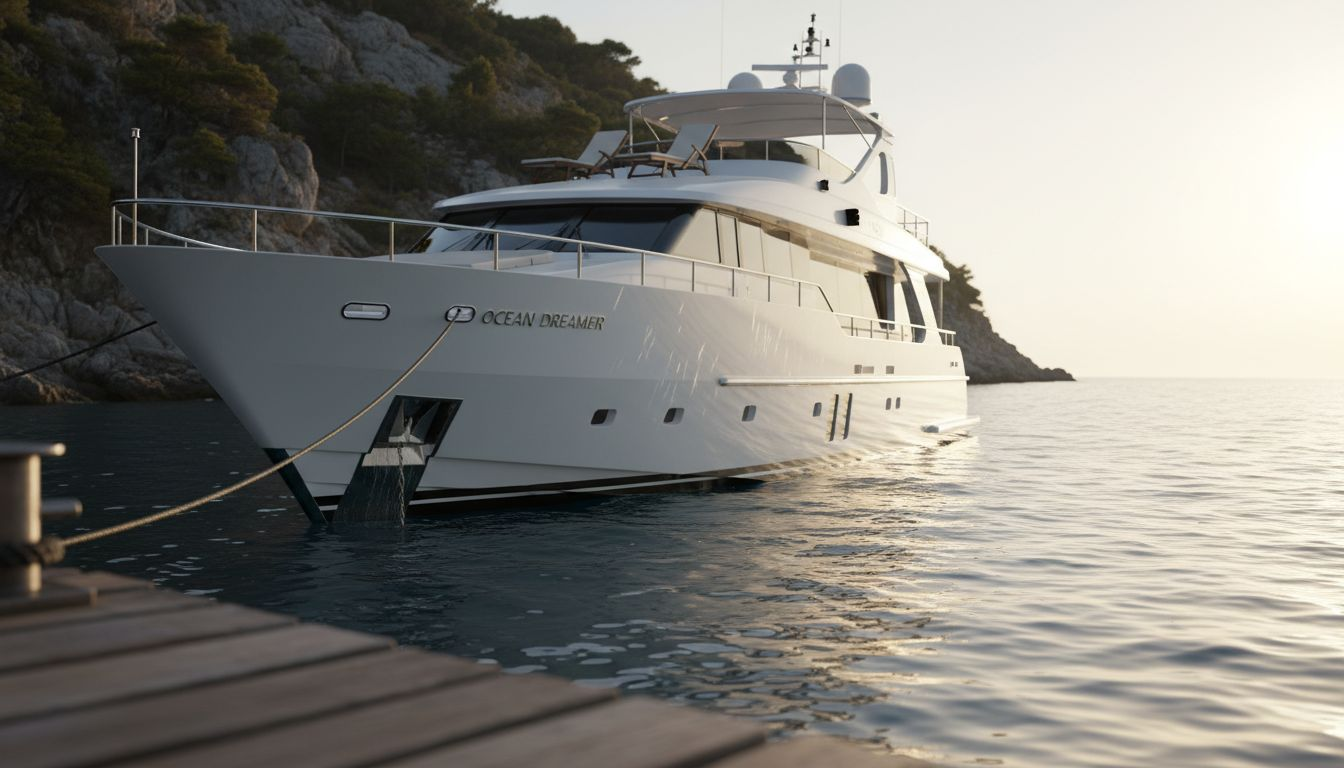
Most American and European superyacht owners are demanding designs that balance bold innovation with environmental responsibility. As luxury vessels become the ultimate expression of personal taste and technical achievement, high-net-worth individuals seek more than just style—they expect advanced solutions that deliver both comfort and sustainable performance. This guide breaks down how architectural expertise shapes every aspect of the superyacht experience, from aesthetic choices to cutting-edge technology and compliance with global regulations.
Table of Contents
Key Takeaways
Point | Details |
Superyacht Architecture Collaboration | Effective superyacht design involves collaboration among various disciplines, including architects, engineers, and clients, to achieve aesthetic and functional goals. |
Sustainability Focus | Modern superyachts prioritize sustainable technologies and materials to minimize environmental impact while maintaining luxury. |
Regulatory Compliance | Understanding and integrating global maritime regulations is crucial for safety and operational excellence in superyacht design. |
Choosing a Partner | Selecting the right architecture partner involves assessing technical expertise, design philosophy, and past performance to ensure a successful project. |
Superyacht Architecture Defined and Demystified
Superyacht architecture represents a sophisticated intersection of engineering artistry and technological innovation, transforming luxury maritime experiences through meticulous design and strategic planning. This specialized discipline goes far beyond traditional naval engineering, creating floating masterpieces that balance aesthetic brilliance with exceptional performance.
At its core, superyacht architecture involves a complex collaborative process that integrates multiple disciplines. Naval architects, designers, engineers, and clients work together to conceptualize vessels that are not merely transportation vehicles, but dynamic living spaces reflecting individual vision and technological advancement. The design process requires reconciling seemingly contradictory goals: achieving remarkable aesthetic beauty while maintaining superior maritime functionality and safety standards.
The contemporary superyacht architecture landscape is increasingly defined by sustainability and environmental consciousness. Designers now prioritize innovative solutions that minimize ecological impact without compromising luxury. Hull designs, propulsion systems, and material selections are carefully engineered to reduce carbon footprint while delivering exceptional performance. Modern superyacht architects must navigate complex regulatory environments, balancing owner preferences with international maritime standards and environmental regulations.
Pro tip: When considering a custom superyacht design, prioritize architects who demonstrate proven expertise in integrating cutting-edge sustainable technologies with bespoke luxury experiences.
Types and Key Elements of Superyacht Design
Superyacht design represents a complex ecosystem of technological innovation and aesthetic expression, with diverse types ranging from sleek expedition vessels to opulent floating palaces. Contemporary superyacht designs reflect an intricate spectrum of size, style, and functional purpose, encompassing everything from compact 24-metre exploration yachts to expansive luxury vessels that redefine maritime living spaces.
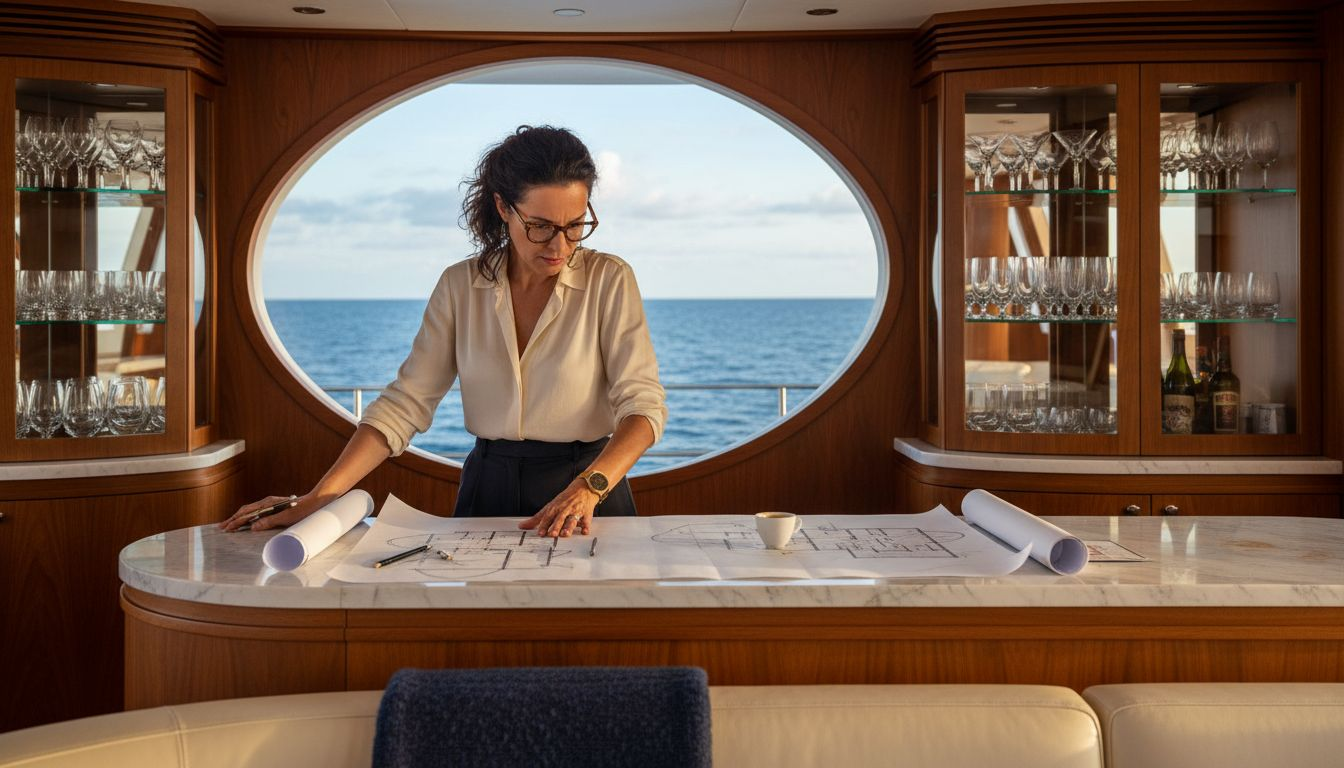
The primary types of superyacht designs can be categorized based on several critical dimensions. Expedition yachts prioritize long-range capabilities and robust engineering, designed for adventurous owners seeking global exploration. Classic motor yachts emphasize traditional elegance and timeless design principles, while modern motor yachts showcase cutting-edge technological integration and minimalist aesthetic approaches. Performance yachts focus on speed and advanced hydrodynamic efficiency, appealing to owners who prioritize dynamic maritime experiences.
Here’s a quick comparison of the major superyacht design types and what distinguishes them:
Yacht Type | Main Focus | Notable Feature | Typical Owner Preference |
Expedition Yacht | Long-range capability | Robust engineering | Adventure and exploration |
Classic Motor Yacht | Traditional elegance | Timeless design principles | Appreciation for heritage |
Modern Motor Yacht | Technology integration | Minimalist aesthetics | Innovation and modern luxury |
Performance Yacht | Speed and agility | Advanced hydrodynamics | Sporty and dynamic lifestyle |
Key design elements in superyacht architecture transcend mere aesthetic considerations, integrating sophisticated technological systems with human-centric design principles. Critical components include advanced propulsion systems, intelligent interior layouts that maximize comfort and functionality, sustainable material selections, and adaptive technological infrastructure. Modern superyacht designers must balance owner preferences with complex regulatory requirements, environmental considerations, and emerging maritime technologies.
Pro tip: When exploring superyacht design options, prioritize naval architects who demonstrate a holistic approach that integrates technological innovation, environmental sustainability, and personalized luxury experiences.
Innovation, Technology, and Customization Trends
Groundbreaking technological innovations are fundamentally reshaping the superyacht landscape, transforming luxury maritime experiences through unprecedented levels of customization and technological integration. Modern superyacht design has evolved from mere transportation platforms to intelligent, adaptive living environments that reflect owners’ most sophisticated lifestyle aspirations and environmental values.
The current technological revolution in superyacht architecture centers on several key innovations. Electric propulsion systems are rapidly replacing traditional diesel engines, offering significant reductions in environmental impact and operational noise. Smart onboard infrastructure now includes advanced automation technologies that allow for seamless control of climate, lighting, entertainment, and security systems through intuitive digital interfaces. These technological advancements enable unprecedented levels of personalization, allowing owners to create truly bespoke maritime experiences that align precisely with their individual preferences and lifestyle requirements.
Customization trends are moving beyond aesthetic considerations to embrace holistic design philosophies that integrate sustainability, performance, and personal expression. Advanced materials like carbon fiber composites, lightweight alloys, and environmentally responsible fabrics are enabling designers to create vessels that are simultaneously stronger, more efficient, and more visually striking. The integration of renewable energy technologies such as solar panels, hybrid propulsion systems, and advanced energy storage solutions represents a paradigm shift in superyacht design, demonstrating a commitment to reducing environmental footprint without compromising luxury or performance.
Pro tip: When exploring superyacht technological innovations, prioritize designs that offer a harmonious balance between cutting-edge technological capabilities and personalized lifestyle integration.
Sustainability and Environmental Considerations
Sustainability has become a transformative force in superyacht architecture, fundamentally reshaping how luxury maritime experiences are conceptualized and executed. The industry is experiencing a profound shift from traditional design approaches to comprehensive environmental stewardship, driven by scientific measurement of emissions, energy consumption, and holistic ecological impact.
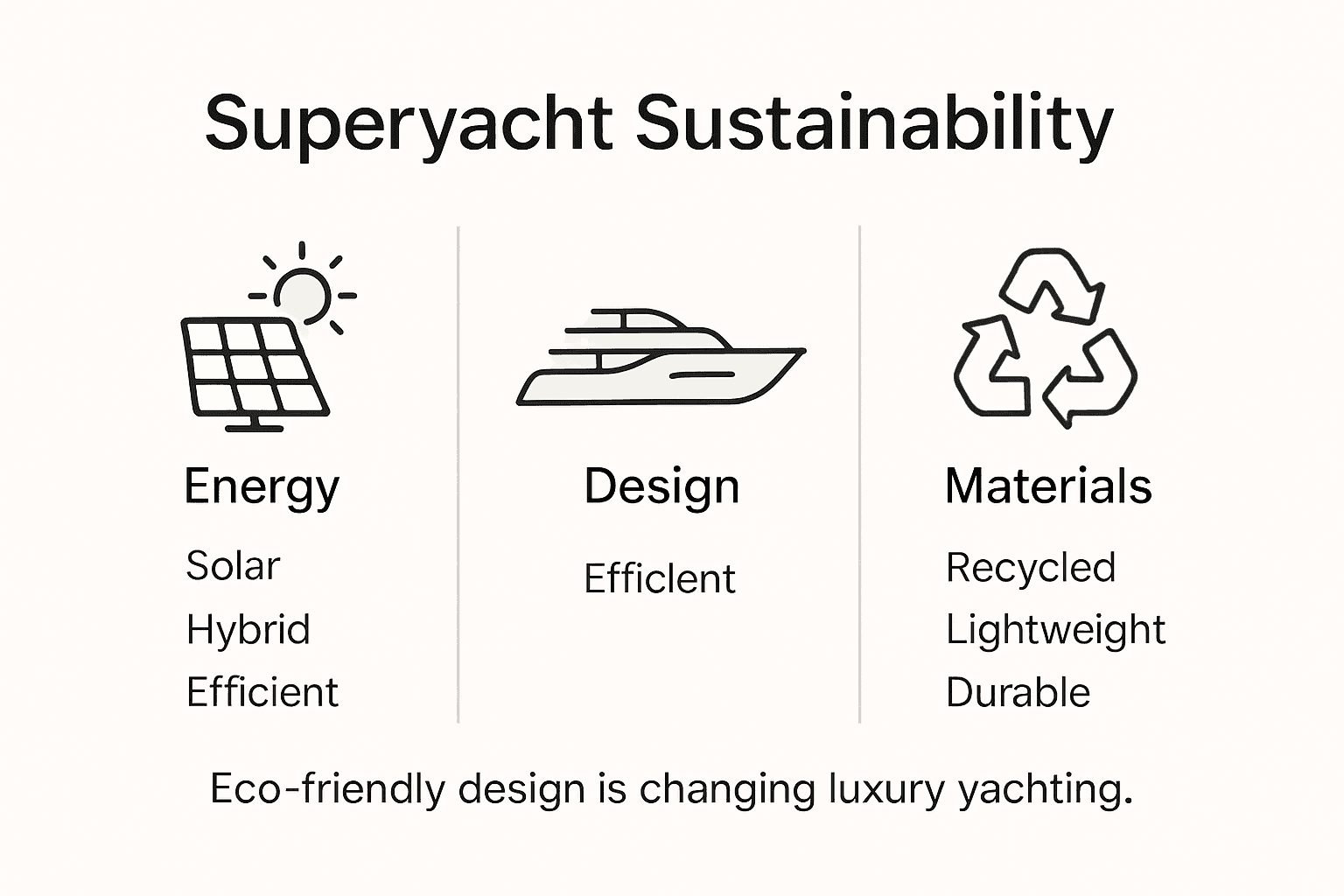
Modern superyacht sustainability strategies encompass multiple critical dimensions. Renewable energy integration now includes advanced solar panel technologies, hydrogen fuel cell systems, and hybrid propulsion mechanisms that dramatically reduce carbon emissions. Material science innovations are introducing lightweight, recyclable composites and environmentally responsible fabrics that maintain structural integrity while minimizing ecological footprints. These technological advancements allow designers to create vessels that are simultaneously luxurious, high-performance, and environmentally conscious.
Below is a summary of essential sustainability innovations transforming superyacht design:
Sustainability Area | Key Innovation | Primary Benefit |
Energy Generation | Solar panels, hydrogen cells | Reduced carbon emissions |
Materials | Recyclable composites | Lightweight, eco-friendly |
Propulsion Systems | Hybrid, electric engines | Lower noise, fuel savings |
Lifecycle Assessment | Advanced energy modeling | Improved environmental impact |
The collaborative ecosystem driving sustainable superyacht design involves complex interactions between manufacturers, owners, academic institutions, and regulatory bodies. Emerging educational programs are preparing next-generation designers to embed sustainability principles directly into architectural conceptualization, ensuring that environmental considerations are not afterthoughts but fundamental design parameters. This holistic approach involves comprehensive lifecycle assessments, advanced energy modeling, and innovative solutions that balance performance, luxury, and environmental responsibility.
Pro tip: When evaluating sustainable superyacht designs, request detailed environmental impact assessments and prioritize naval architects who demonstrate a comprehensive approach to ecological innovation.
Navigating Regulations and Safety Standards
Contemporary superyacht regulatory frameworks represent a complex intersection of international maritime guidelines and evolving industry standards, requiring meticulous attention to safety, performance, and compliance protocols. These regulations transcend mere bureaucratic requirements, serving as critical mechanisms to ensure vessel integrity, passenger safety, and operational excellence across global maritime environments.
The regulatory landscape for superyachts involves intricate interactions between Flag State regulations, Class Society requirements, and International Maritime Organization (IMO) standards. Key compliance areas include structural integrity, fire safety systems, emergency response protocols, environmental impact mitigation, and advanced navigational technologies. Modern superyacht designers must demonstrate comprehensive understanding of these multifaceted regulations, integrating safety considerations directly into architectural and engineering design processes rather than treating them as retrospective compliance measures.
Safety standards in superyacht design go beyond traditional regulatory checklists, emphasizing holistic risk management and technological innovation. Critical components include redundant critical systems, advanced communication technologies, sophisticated environmental monitoring equipment, and comprehensive crew training protocols. The most advanced superyacht designs incorporate predictive maintenance technologies, real-time performance monitoring systems, and adaptive safety mechanisms that can anticipate and mitigate potential operational risks before they emerge.
Pro tip: When evaluating a superyacht design, request comprehensive documentation demonstrating compliance with international maritime safety standards and proactive risk management strategies.
Choosing the Right Architecture Partner
Selecting the ideal superyacht architecture partner represents a critical strategic decision that will fundamentally shape the entire maritime experience. This complex selection process demands meticulous evaluation of potential partners’ technical expertise, creative vision, collaborative capabilities, and proven track record of translating sophisticated client visions into exceptional maritime designs.
Successful superyacht architecture partnerships are characterized by several essential criteria. Technical expertise must encompass comprehensive understanding of naval engineering principles, advanced computational design capabilities, and proven experience in creating vessels that balance performance with luxury. Design philosophy becomes equally critical, with top-tier partners demonstrating ability to integrate owner preferences, technological innovations, sustainability considerations, and aesthetic elegance into a cohesive architectural vision. Potential partners should showcase a robust portfolio demonstrating versatility across different vessel types, technological approaches, and design aesthetics.
The selection process requires comprehensive due diligence beyond traditional evaluation metrics. Prospective partners must demonstrate extensive capabilities in regulatory compliance, environmental sustainability, technological innovation, and adaptive design thinking. Advanced naval architects now integrate complex systems thinking, understanding that a superyacht represents an intricate ecosystem of engineering, design, technological infrastructure, and personalized luxury experience. Owners should prioritize partners who can articulate a holistic design approach that considers lifecycle performance, environmental impact, technological adaptability, and long-term operational excellence.
Pro tip: Request comprehensive design portfolios and conduct in-depth interviews to assess a potential architecture partner’s capacity for translating your vision into a technologically advanced, personalized maritime experience.
Elevate Your Superyacht Experience with Cutting-Edge Design Solutions
The article highlights the intricate challenges of marrying luxury with sustainability, innovation, and safety in superyacht architecture. If you are seeking to transform your vision into a vessel that excels in performance, environmental responsibility, and bespoke luxury, Opalinski Design House offers the perfect fusion of creativity and patented technology. From advanced fold-down transoms to revolutionary rotational transoms for vessels over 50 meters, we specialize in addressing the complex demands discussed, including integration of sustainable materials and compliance with rigorous maritime standards.
Discover how our expert naval architects and designers can turn your aspirations into reality by delivering innovative, personalized superyacht designs that elevate your maritime lifestyle. Don’t settle for conventional when you can explore truly exceptional solutions tailored to your unique requirements. Visit Opalinski Design House now and explore our portfolio of industry-leading innovations. Take the next step toward owning a technologically advanced, sustainable, and luxurious superyacht by contacting us today to request a personalized consultation and quote.
Frequently Asked Questions
What is superyacht architecture?
Superyacht architecture is the specialized discipline that merges engineering artistry with technology to create luxury vessels that serve as dynamic living spaces, balancing aesthetic beauty with performance and safety.
How do sustainability practices influence superyacht design?
Sustainability in superyacht design prioritizes innovative solutions that minimize ecological impact, including renewable energy sources, eco-friendly materials, and advanced propulsion systems that reduce carbon emissions.
What are the main types of superyacht designs?
Superyacht designs can be categorized into several types, including expedition yachts for long-range travel, classic motor yachts for traditional elegance, modern motor yachts for cutting-edge technology, and performance yachts for speed and agility.
What should I consider when choosing a superyacht architecture partner?
When selecting a superyacht architecture partner, consider their technical expertise, design philosophy, experience with regulatory compliance, and ability to integrate sustainability and personalization into the design process.
Recommended
Comments