
Role of Design in Vessel Safety—Impact on Luxury Yachts
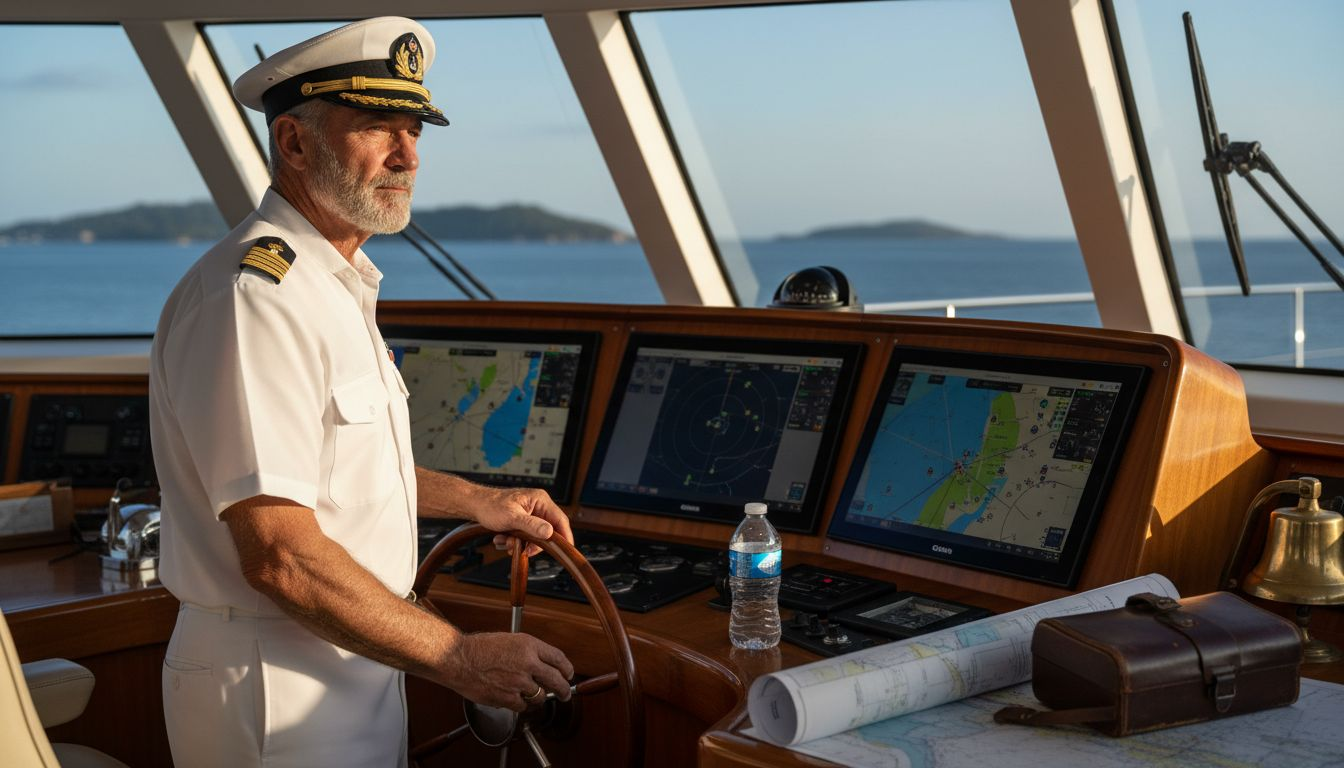
Navigating open waters brings both ultra-luxury and immense responsibility for yacht owners and charter operators. Vessel safety extends well beyond traditional hull builds, demanding sophisticated design solutions that combine technological innovation and advanced risk management. Today’s leading yachts integrate smart systems, predictive modeling, and adaptive engineering to meet the most rigorous international standards. Discover how cutting-edge design techniques create vessels that are stable, resilient, and dynamically secure for exclusive global journeys.
Table of Contents
Key Takeaways
Point | Details |
Holistic Vessel Safety Design | Modern yacht safety involves an integration of design principles, technology, and risk management strategies to address operational threats and environmental challenges. |
Innovative Safety Features | Key innovations like dynamic stabilization and biometric security enhance operational performance and protect passengers efficiently. |
Regulatory Compliance | Adhering to international maritime regulations and engaging maritime legal experts ensures vessels meet stringent safety and operational standards. |
Avoiding Design Risks | Implementing comprehensive modeling and independent risk assessments during design phases is essential to mitigate potential vulnerabilities. |
Defining Vessel Safety Through Design
Vessel safety emerges as a sophisticated integration of design principles, technological innovation, and comprehensive risk management strategies. Regulatory safety considerations demonstrate that modern yacht design transcends traditional structural requirements, encompassing intelligent systems, predictive modeling, and adaptive engineering approaches.
At its core, vessel safety design involves multiple critical dimensions beyond physical construction. Naval architects must strategically analyze potential operational threats, environmental challenges, and human interaction scenarios. This holistic approach requires integrating advanced computational modeling, material science innovations, and predictive risk assessment techniques that anticipate potential maritime vulnerabilities before they manifest.
The contemporary vessel safety framework includes several foundational design elements: structural redundancy, advanced navigation systems, intelligent damage control mechanisms, and ergonomic human-machine interfaces. These components work synergistically to create robust maritime platforms capable of mitigating risks across diverse operational environments. By implementing comprehensive risk assessment protocols, designers can develop vessels that are not just structurally sound, but dynamically responsive to emerging safety challenges.
Pro tip: When evaluating yacht safety, request comprehensive computational modeling reports that demonstrate the vessel’s performance under simulated extreme maritime conditions.
Types of Yacht Design Innovations for Safety
Luxury yacht safety has evolved far beyond traditional structural considerations, with cutting-edge design innovations transforming maritime security and operational resilience. Advanced navigation systems now integrate artificial intelligence and predictive technologies that dramatically enhance vessel protection and passenger safety.
Key safety innovations in yacht design span multiple technological domains. Critical advancements include dynamic stabilization technologies, which utilize gyroscopic systems to minimize vessel roll and maintain structural integrity during challenging maritime conditions. Biometric security features represent another breakthrough, implementing sophisticated access control mechanisms that prevent unauthorized entry and track personnel movements with unprecedented precision.
Comprehensive safety design now encompasses interconnected technological ecosystems. Intelligent damage control mechanisms, real-time environmental monitoring systems, and adaptive navigation platforms work in concert to create multilayered safety protocols. These innovations leverage computational modeling, advanced sensor networks, and machine learning algorithms to predict and mitigate potential maritime risks before they can escalate into critical scenarios.
Pro tip: Request comprehensive technical specifications that detail the specific safety innovations integrated into your vessel’s design, focusing on redundancy systems and adaptive risk management technologies.
Here’s a summary of how key yacht safety innovations impact operational performance and security:
Safety Innovation | Primary Function | Impact on Yacht Operation |
Dynamic Stabilization | Minimizes vessel roll and pitch | Smoother ride, reduced fatigue |
Biometric Security Systems | Restricts access with fingerprint/facial | Enhanced protection, crew tracking |
Adaptive Navigation | Uses AI and sensors for route planning | Avoids hazards, optimizes response |
Intelligent Damage Control | Detects and manages onboard incidents | Faster response, limits downtime |
Environmental Monitoring | Tracks weather and traffic conditions | Better situational awareness |
Critical Features That Enhance Onboard Security
Luxury yacht security has transformed into a sophisticated technological ecosystem, integrating advanced protection mechanisms that go far beyond traditional surveillance strategies. Threat detection technologies now provide comprehensive situational awareness through intelligent monitoring systems that anticipate and neutralize potential maritime risks before they emerge.
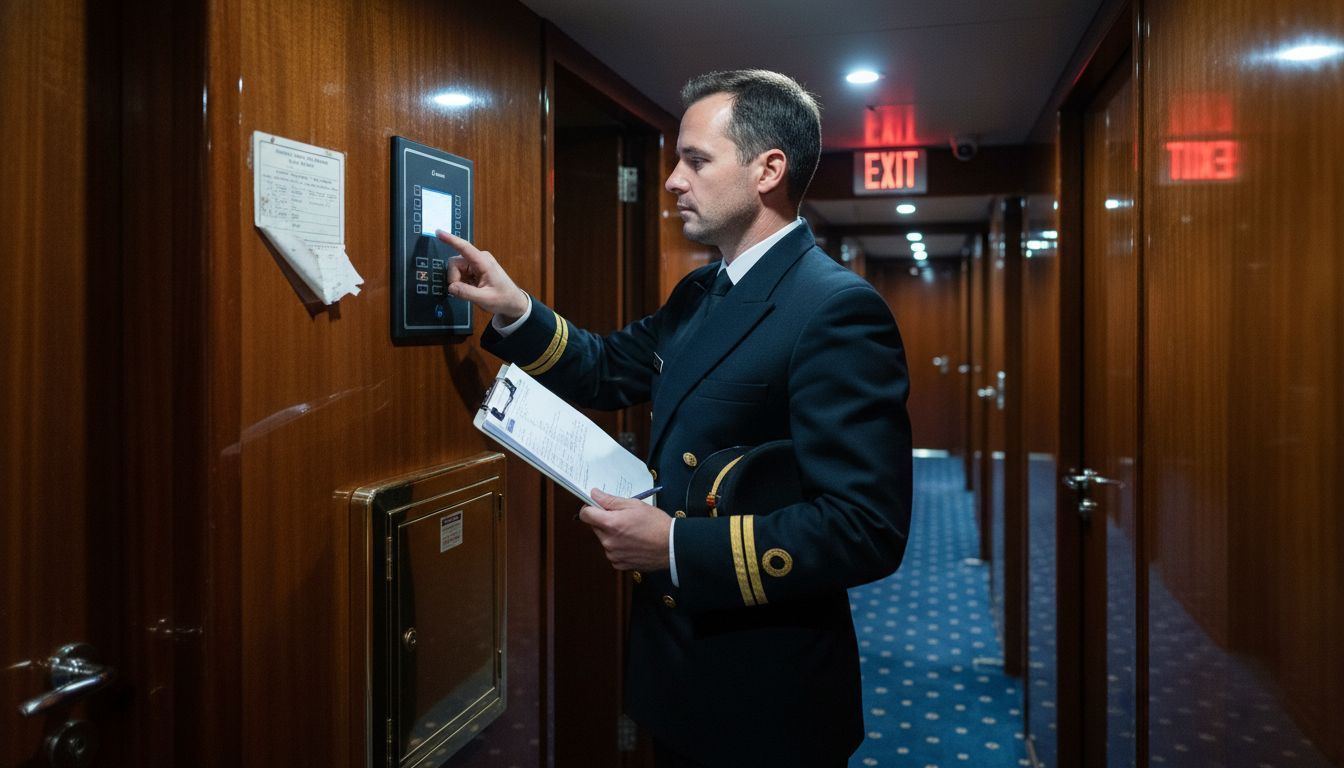
Modern onboard security features represent a multilayered approach to vessel protection, incorporating cutting-edge technologies across multiple domains. Biometric access control systems use advanced facial recognition and fingerprint authentication to restrict unauthorized entry, while sophisticated drone detection and countermeasure technologies protect against aerial intrusions. Integrated environmental monitoring networks continuously analyze weather conditions, maritime traffic patterns, and potential security vulnerabilities, creating a proactive defense mechanism that adapts in real time.
The most advanced yacht security systems now function as intelligent, interconnected networks that seamlessly integrate various technological components. Sonar and radar systems work alongside machine learning algorithms to provide predictive threat assessment, enabling vessel operators to make rapid, informed decisions. Advanced sensor networks create comprehensive situational maps, tracking everything from personnel movements to potential external threats, ensuring an unprecedented level of onboard safety and operational security.
Pro tip: Conduct regular security system audits and request comprehensive penetration testing to identify and address potential vulnerabilities in your vessel’s technological defense infrastructure.
Legal Standards and Classification Requirements
Luxury yacht design and operation are governed by a complex network of international maritime regulations that ensure vessel safety, environmental compliance, and operational integrity. International maritime conventions such as SOLAS, MARPOL, STCW, and MLC establish comprehensive frameworks that define critical safety, environmental, and operational standards for maritime vessels worldwide.
Classification societies serve as crucial intermediaries between yacht owners, designers, and regulatory bodies, providing rigorous certification processes that validate vessel design, construction, and operational capabilities. Classification and certification rules prescribe detailed requirements for hull integrity, structural strength, machinery performance, and safety systems. These standards go beyond mere compliance, representing a sophisticated quality assurance mechanism that protects vessel owners, crew, and passengers.
The regulatory landscape for luxury yachts involves multiple layers of oversight, including Flag State regulations, international maritime conventions, and specialized classification society standards. Each jurisdiction imposes specific requirements on vessel design, crew certifications, safety equipment, and periodic inspections. Yacht owners and designers must navigate this complex regulatory environment, ensuring that every aspect of vessel construction and operation meets or exceeds the most stringent global maritime standards.
Pro tip: Engage maritime legal experts specializing in yacht regulations to conduct comprehensive compliance audits and ensure your vessel meets all international maritime standards.
The following table differentiates major yacht classification and regulatory bodies:
Body or Convention | Area of Oversight | Key Relevance for Owners |
SOLAS | Safety of Life at Sea regulations | Mandatory safety compliance |
MARPOL | Pollution prevention standards | Ensures environmental protection |
Classification Society | Structural/machinery certification | Validates vessel design and build |
Flag State | National registry and compliance | Determines operational standards |
Risks of Poor Design and How to Avoid Them
Luxury yacht design represents a complex interplay of engineering precision and potential vulnerabilities that can compromise vessel safety and operational integrity. Design errors in maritime vessels can generate catastrophic safety hazards that extend far beyond initial construction, potentially threatening passenger lives and substantial financial investments.
Critical design risks encompass multiple technical domains, including structural stability, weight distribution, and hydrodynamic performance. Yacht design failures often stem from miscalculations in hull construction, incorrect weight distribution, and overlooking crucial environmental interaction factors. These miscalculations can lead to devastating scenarios such as vessel instability, reduced operational efficiency, and in extreme cases, complete structural failure during maritime operations.
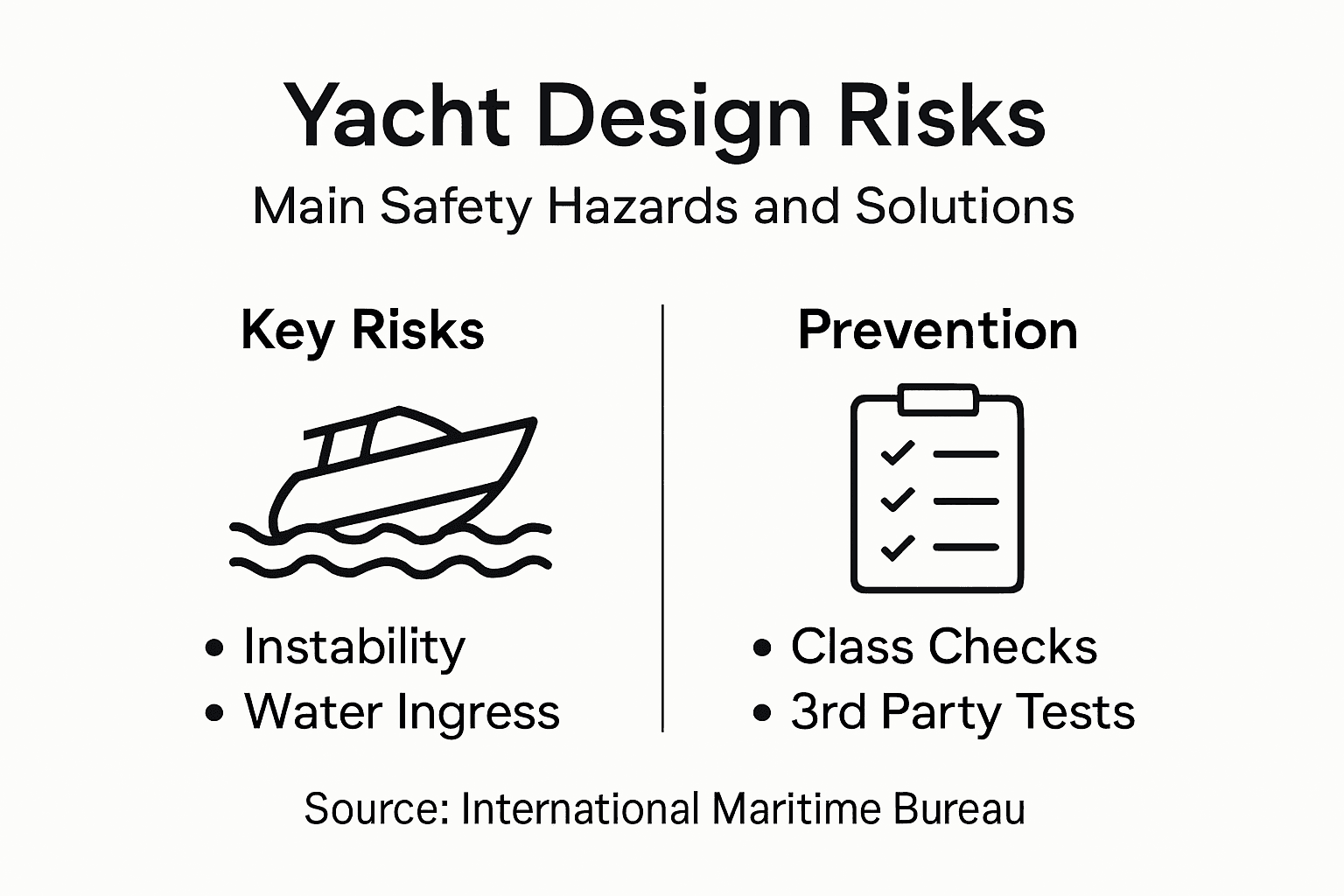
Mitigating design risks requires a comprehensive, multi-dimensional approach that integrates advanced computational modeling, rigorous pre-launch testing, and continuous performance monitoring. Naval architects must employ sophisticated failure-mode analyses, computational fluid dynamics simulations, and extensive sea trials to identify potential vulnerabilities. This proactive strategy involves systematic risk assessments that evaluate structural integrity, material performance, and potential stress scenarios across diverse maritime environments, ensuring that each design iteration meets the most stringent safety and performance standards.
Pro tip: Mandate comprehensive computational modeling and independent third-party risk assessments during every critical design phase to systematically identify and eliminate potential vessel vulnerabilities.
Elevate Your Yacht Safety with Innovative Design Expertise
The article highlights the critical role of advanced design in achieving unparalleled vessel safety and operational resilience. Key challenges such as structural integrity, adaptive navigation, and intelligent damage control demand cutting-edge solutions tailored to anticipate and mitigate risks before they arise. Luxury yacht owners seeking to protect their investment and passengers from complex maritime threats cannot settle for conventional design approaches.
At Opalinski Design House, we transform these safety imperatives into bespoke yacht designs that integrate patented technologies like fold-down transoms and sophisticated naval architecture innovations. Our commitment to comprehensive risk management and dynamic vessel responses addresses every concern raised by modern regulatory standards and technological advancements discussed in the article.
Secure your luxury yacht’s future with design expertise that blends creativity, quality, and proven technological breakthroughs. Visit Opalinski Design House now to discover how our industry-changing innovations can deliver increased onboard security, operational efficiency, and peace of mind. Don’t wait until potential risks become problems. Contact us today for a personalized consultation and ensure your vessel meets the highest standards of safety and performance.
Frequently Asked Questions
What are the key design innovations that enhance vessel safety in luxury yachts?
Key design innovations include dynamic stabilization technologies, biometric security systems, adaptive navigation platforms, intelligent damage control mechanisms, and environmental monitoring systems that collectively improve operational performance and security.
How does the regulatory landscape impact yacht design and safety?
Regulatory bodies establish mandatory safety standards through international conventions like SOLAS and MARPOL, ensuring that yacht designs comply with structural integrity, safety equipment, and operational protocols, which ultimately protect passengers and crew.
What are common risks associated with poor yacht design?
Common risks include structural instability, incorrect weight distribution, and failures in hydrodynamic performance, which can lead to safety hazards like vessel capsizing, operational inefficiencies, and significant financial losses.
How can yacht owners mitigate design risks during the construction process?
Yacht owners can mitigate design risks by demanding comprehensive computational modeling, conducting rigorous pre-launch testing, and utilizing independent third-party risk assessments to ensure that every design phase adheres to safety and performance standards.
Recommended

Comments