
What Is a Yacht Concept: Shaping Bespoke Innovation
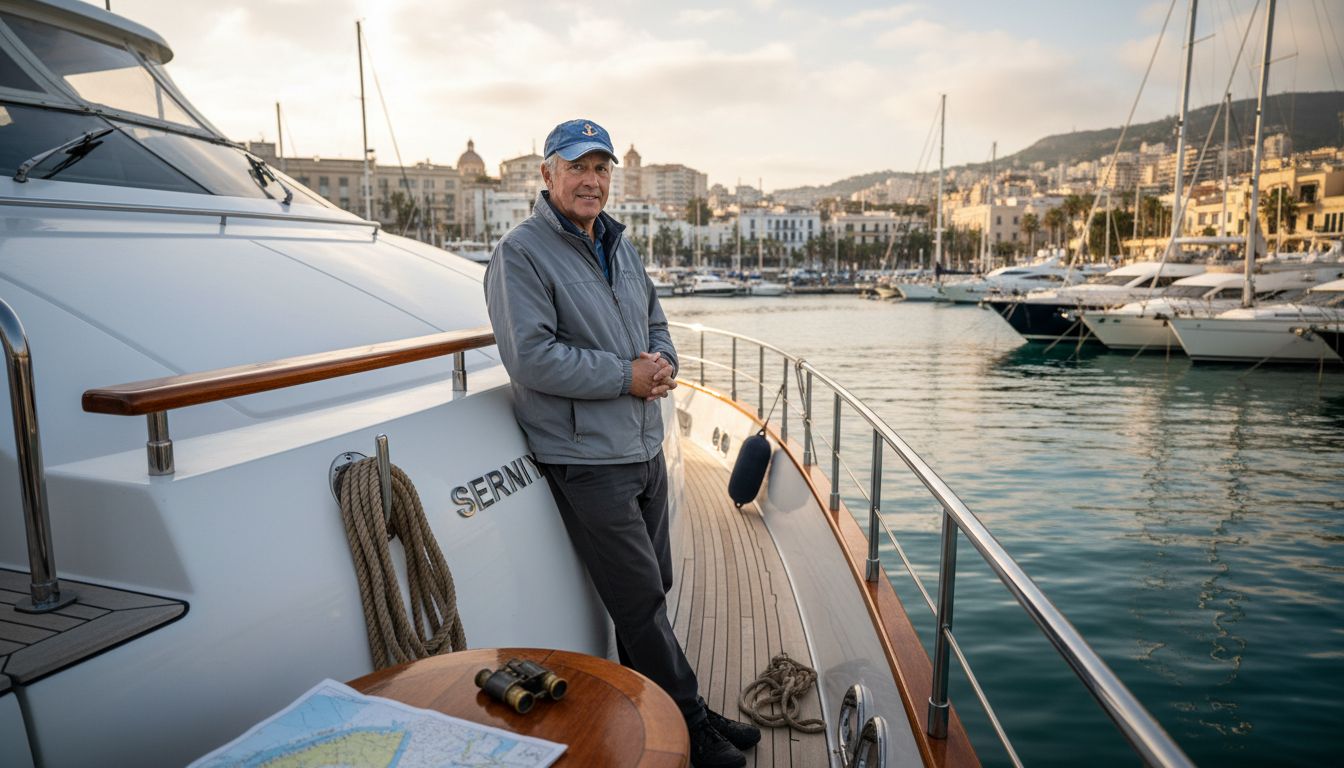
Most American yacht owners are now seeking vessels that blend advanced technology with personal luxury, pushing design boundaries like never before. The demand for smarter, more sustainable yachts reflects how rapidly innovation is transforming what people expect from maritime experiences. With industry leaders reporting that over 60 percent of new yacht concepts now integrate smart automation systems, understanding these sophisticated design philosophies can help you make sense of the trends shaping the future of American yachting.
Table of Contents
Key Takeaways
Point | Details |
Yacht Concepts Integrate Technology and Personalization | Modern yacht designs prioritize advanced technologies and individualized experiences, transforming them into intelligent environments rather than just vessels. |
Focus on Performance and Sustainability | Contemporary yacht concepts emphasize performance optimization and sustainable practices, such as hybrid propulsion systems and eco-friendly materials. |
Challenges in Custom Projects | Custom yacht development can involve significant financial complexities and technical challenges requiring strategic planning and expertise. |
Common Misconceptions | There is a notable misconception that luxury yacht designs are inherently impractical; successful concepts balance luxury with functionality and efficiency. |
Defining a Yacht Concept in Design
A yacht concept represents far more than a mere vessel design. It encapsulates a holistic approach to maritime engineering that integrates advanced technology, artistic vision, and personalized functionality into a singular nautical experience. These sophisticated design philosophies transform maritime transportation from simple watercraft into floating expressions of individual lifestyle and technological innovation.
At its core, a yacht concept explores the intricate balance between form and function, where naval architects meticulously craft solutions that seamlessly merge aesthetic appeal with performance capabilities. The International Superyacht Society awards recognize designs that push boundaries through groundbreaking ideas, emphasizing how modern yacht concepts must transcend traditional maritime engineering paradigms. Successful concepts prioritize multiple critical dimensions:
Technological Innovation: Advanced navigation systems and hybrid propulsion technologies
Ergonomic Design: Intuitive spatial arrangements tailored to owner preferences
Performance Optimization: Hull designs that maximize efficiency and stability
Aesthetic Coherence: Harmonious visual narratives that reflect individual owner identities
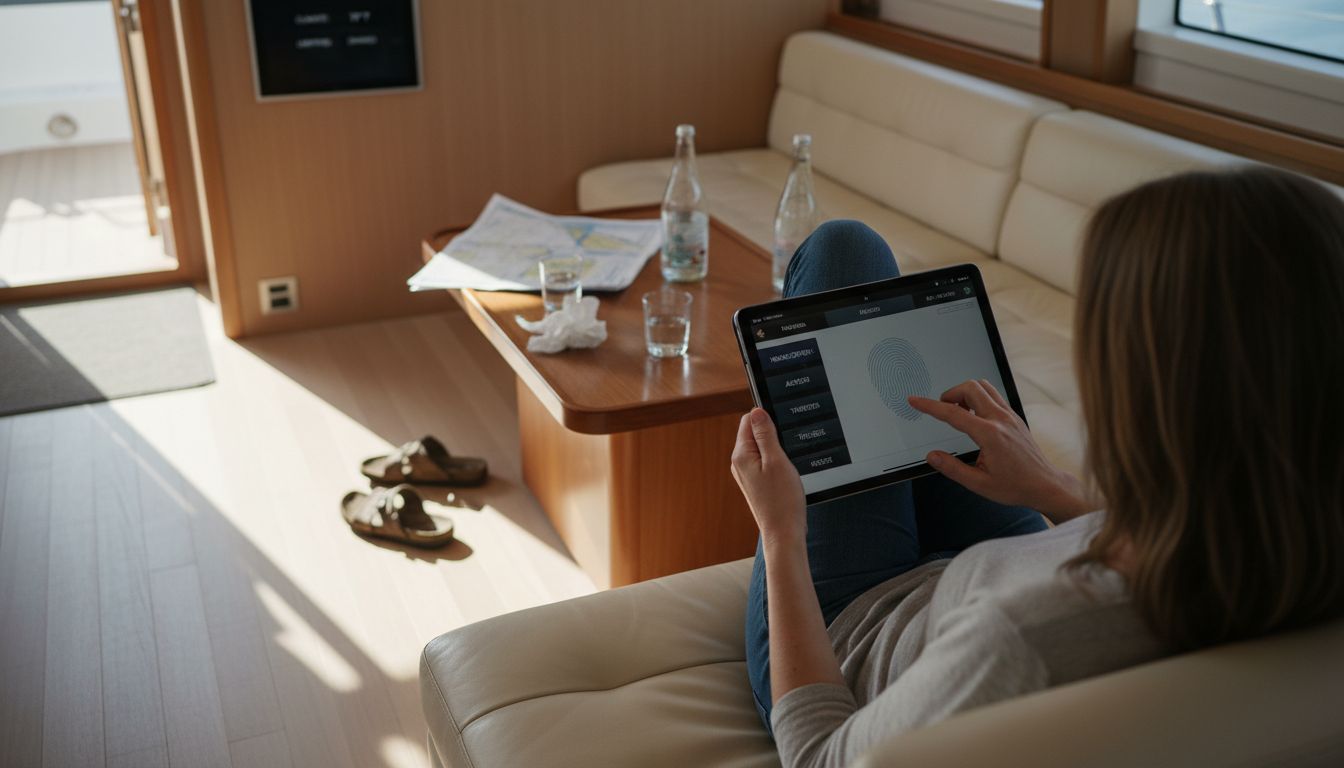
The evolution of yacht concepts has dramatically transformed from simplistic transportation models to intelligent, responsive environments. Digital interfaces now allow comprehensive yacht system monitoring through sophisticated touchscreen interactions, enabling owners unprecedented control and situational awareness. Modern yacht concepts integrate cutting-edge technologies like thermal imaging navigation, dynamic user interfaces, and adaptive environmental response systems that fundamentally reimagine maritime travel as an immersive, personalized experience.
Key Elements and Innovative Features
Yacht design has evolved dramatically, transforming from traditional maritime engineering into a sophisticated ecosystem of technological integration and personalized experiences. Smart systems and advanced technologies now define the core of contemporary yacht concepts, pushing beyond mere transportation to create intelligent, responsive maritime environments.
Modern yachts are integrating smart systems and automation, revolutionizing onboard operations through cutting-edge technological solutions. These innovative features encompass several critical dimensions:
Navigation Technologies
Advanced GPS tracking systems
Real-time weather mapping software
Comprehensive sonar navigation tools
Automation Systems
Intelligent maintenance alert networks
Automated docking procedures
Self-diagnostic equipment monitoring
Sustainability Features
Hybrid propulsion technologies
Energy-efficient engine configurations
Biodegradable interior materials
Luxury yacht technologies now offer unprecedented home integration, allowing owners comprehensive control through smartphone interfaces. These intelligent systems enable users to manage everything from ambient lighting and climate control to sophisticated entertainment networks, transforming yachts into floating smart homes that seamlessly blend cutting-edge technology with personalized comfort and environmental consciousness.
Types of Yacht Concepts and Approaches
Yacht design represents a complex spectrum of conceptual approaches, ranging from performance-driven racing vessels to luxurious floating residences. Each yacht concept emerges from a unique blend of engineering principles, aesthetic vision, and specific functional requirements that transform maritime design into a nuanced art form of technological innovation and personal expression.
Certain yacht concepts demonstrate extraordinary design complexity, such as the bi-directional symmetrical vessel that reimagines maritime engineering, challenging traditional naval architecture paradigms. The primary yacht concept categories include:
Performance Racing Concepts
High-speed hull configurations
Lightweight composite materials
Precision navigation systems
Luxury Expedition Concepts
Extended range capabilities
Expansive living spaces
Advanced stabilization technologies
Sustainable Maritime Concepts
Hybrid propulsion systems
Eco-friendly material selections
Minimal environmental impact designs
Specialized yacht configurations like the Mumm 30 showcase how technical precision drives innovative design approaches, with advanced composite construction techniques and strategic hull geometries enabling unprecedented performance. Modern yacht concepts transcend traditional boundaries, integrating cutting-edge technologies, adaptive design principles, and personalized engineering solutions that transform maritime vessels into sophisticated, multipurpose environments tailored to individual owner requirements.
Role of Yacht Concepts in Custom Projects
Custom yacht projects represent the pinnacle of maritime personalization, where design concepts transform from theoretical blueprints into extraordinary floating environments uniquely tailored to individual owner specifications. These bespoke ventures transcend traditional shipbuilding, merging advanced engineering with deeply personal aesthetic and functional requirements that reflect the owner’s lifestyle, preferences, and vision.
Designers and builders in custom superyacht projects often exceed standard regulations to enhance guest experience, implementing sophisticated engineering solutions that dramatically elevate onboard comfort and performance. Key considerations in custom yacht concept development include:
Personalization Dimensions
Individual lifestyle integration
Unique spatial configurations
Tailored technological implementations
Performance Engineering
Advanced noise reduction techniques
High-stiffness machinery foundations
Precision acoustic management
Functional Optimization
Custom system configurations
Adaptive living space designs
Specialized equipment installations
Modern custom yacht projects are increasingly emphasizing comprehensive safety and accessibility, incorporating cutting-edge technologies like infrared night vision, remote monitoring systems, and inclusive design principles. These approaches transform yacht concepts from mere transportation vehicles into intelligent, responsive environments that seamlessly adapt to owner requirements, technological advancements, and evolving maritime design philosophies.
Risks, Costs, and Common Misconceptions
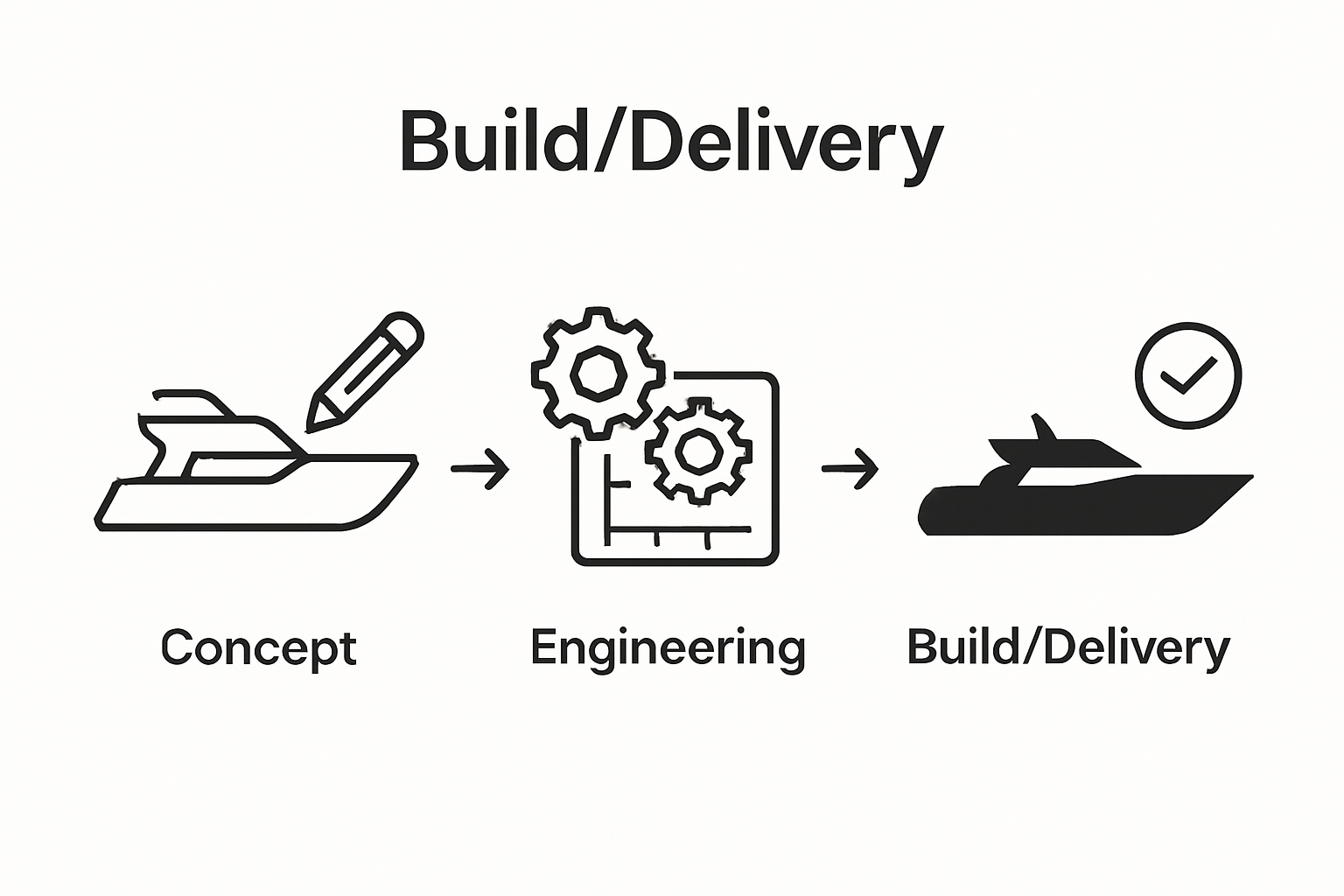
Navigating the complex world of yacht concepts requires a nuanced understanding of the potential challenges, financial implications, and widespread misconceptions that can significantly impact design and development processes. Prospective yacht owners and investors must approach these sophisticated maritime projects with comprehensive strategic planning and realistic expectations about the intricate dynamics of custom vessel creation.
Custom superyacht projects frequently involve exceeding standard regulations, which can introduce substantial financial and technical risks, demanding meticulous planning and expert execution. Common risks and challenges include:
Financial Complexities
Unpredictable design modification costs
Extended development timelines
Potential technological integration expenses
Technical Challenges
Complex system compatibility issues
Advanced engineering requirement variations
Performance optimization constraints
Operational Considerations
Ongoing maintenance expenses
Specialized crew training requirements
Regulatory compliance investments
Innovative yacht design must prioritize functional purpose over mere novelty, with sustainability and efficiency emerging as critical evaluation metrics. Successful yacht concepts balance cutting-edge technological integration, personalized design elements, and practical operational considerations, challenging the misconception that luxury automatically translates to impractical or environmentally irresponsible maritime engineering.
Elevate Your Vision With Bespoke Yacht Concepts
Designing a yacht that perfectly balances cutting-edge technology, personalized functionality, and stunning aesthetics is a complex challenge. This article highlights the importance of merging advanced innovations like fold-down transoms and smart navigation systems with tailored spatial design to create unique maritime experiences. If you seek to overcome common hurdles such as integrating sustainable propulsion systems or achieving flawless ergonomic layouts, choosing the right partner matters. Opalinski Design House specializes in transforming intricate yacht concepts into reality through patented technologies and unparalleled naval architecture expertise.
Discover how our innovative approaches, including revolutionary fold-down bulkhead transoms and rotational transoms for large vessels, can redefine your vessel’s performance and style. Visit Opalinski Design House today to explore our portfolio and learn why visionary yacht owners trust us to deliver bespoke, technologically advanced designs. Contact us now for a personalized consultation and take the first step toward crafting your dream yacht concept.
Frequently Asked Questions
What is a yacht concept?
A yacht concept is a comprehensive design approach that combines advanced technology, aesthetic vision, and personalized functionality to create unique maritime experiences that reflect an owner’s lifestyle.
What are the key elements of modern yacht designs?
Modern yacht designs focus on technological innovation, ergonomic layouts, performance optimization, and aesthetic coherence, creating floating environments that offer both style and functionality.
How do custom yacht projects differ from standard yacht designs?
Custom yacht projects are tailored to individual specifications, emphasizing unique spatial configurations, personal lifestyle integration, advanced performance engineering, and bespoke technological implementations that cater to the owner’s preferences.
What are some common misconceptions about yacht concepts?
A common misconception is that luxury yachts prioritize extravagance over practicality. In reality, successful yacht concepts balance technological sophistication with environmental sustainability and operational efficiency.
Recommended

Comments