
Why Use Advanced Naval Architecture: Complete Guide

Modern american yacht design is undergoing a rapid transformation, driven by advancements that blend scientific rigor with creative engineering. Nearly 90 percent of new maritime projects rely on intelligent computational tools to refine vessel performance and safety. This evolution in naval architecture means owners and designers face new opportunities and challenges as technology, efficiency, and sustainability take center stage. Whether you value long-term investment or eco-friendly solutions, understanding these innovations is key to making informed choices in the world of advanced yacht design.
Table of Contents
Key Takeaways
Point | Details |
Advanced Naval Architecture Principles | The discipline integrates mechanics, hydrostatics, and advanced modeling to create highly optimized vessels that balance performance, safety, and sustainability. |
Innovations in Yacht Design | Modern yacht design utilizes additive manufacturing and intelligent energy management to produce customizable, efficient, and aesthetically appealing vessels. |
Performance and Safety Enhancements | Technological advancements facilitate intelligent hull designs and adaptive structures that enhance vessel safety and mitigate operational risks. |
Sustainability in Design | Future yacht designs focus on zero-emission propulsion systems and advanced materials, addressing environmental challenges while maximizing operational capabilities. |
Defining Advanced Naval Architecture Principles
Naval architecture represents a sophisticated fusion of art and scientific precision, transforming vessel design from basic functionality to extraordinary engineering. At its core, naval architecture encompasses the complex discipline of designing ships and boats with intricate performance specifications that demand comprehensive knowledge across multiple engineering domains.
The foundational principles of advanced naval architecture extend far beyond traditional shipbuilding techniques. Modern practitioners integrate sophisticated mechanics, hydrostatics, hydrodynamics, and structural design principles to create vessels that are not merely transportation platforms, but highly optimized technological systems. Intelligent design techniques now leverage computational modeling and advanced optimization approaches to push the boundaries of maritime engineering.
Key principles of advanced naval architecture include:
Precision hull geometry calculations
Advanced computational fluid dynamics modeling
Energy efficiency optimization
Structural integrity analysis
Performance prediction algorithms
Today’s naval architects function as multidisciplinary engineers who must synthesize complex technical requirements. They transform raw engineering concepts into functional vessels by considering critical factors like weight distribution, hydrodynamic performance, material science, and sustainability goals. The discipline demands an extraordinary blend of creative problem solving and rigorous mathematical precision, ensuring every design meets exacting performance standards while pushing technological boundaries.
The evolution of naval architecture represents a continuous journey of innovation, where each design iteration introduces more sophisticated approaches to maritime engineering challenges. From minimizing fuel consumption to maximizing vessel stability, advanced naval architecture has become a critical intersection of technological advancement and practical maritime solutions.
Key Innovations in Modern Yacht Design
Modern yacht design has undergone a revolutionary transformation, driven by cutting-edge technological advancements that reimagine maritime engineering from the ground up. At the forefront of this innovation, additive manufacturing techniques are fundamentally changing how designers conceptualize and produce yacht components, enabling unprecedented levels of design complexity and manufacturing precision.
Technological integration has become the hallmark of contemporary yacht design, with advanced computational modeling and materials science converging to create vessels that are dramatically more sophisticated than their predecessors. Emerging design methodologies now emphasize multidisciplinary approaches that seamlessly blend aesthetic appeal with engineering performance, challenging traditional maritime design paradigms.
Key innovations currently transforming yacht design include:
Fused Filament Fabrication for complex structural components
Advanced composite materials with enhanced durability
Computer-aided hydrodynamic optimization
Intelligent energy management systems
Modular design frameworks allowing unprecedented customization
The most significant breakthrough in modern yacht design lies in its holistic approach to engineering. Designers now view vessels not merely as transportation platforms, but as integrated technological ecosystems that must balance performance, sustainability, efficiency, and aesthetic elegance. This represents a profound shift from traditional shipbuilding, where form often followed function, to a new paradigm where design elements are deeply interconnected and mutually reinforcing.

As technological capabilities continue expanding, yacht design is poised to enter an unprecedented era of innovation. From advanced materials that reduce environmental impact to computational design tools that enable extraordinary geometric complexity, the future of maritime engineering promises vessels that are simultaneously more intelligent, efficient, and breathtakingly beautiful.
Enhanced Performance and Safety Benefits
Advanced naval architecture has revolutionized vessel performance and safety through groundbreaking technological innovations that fundamentally transform maritime engineering capabilities. Cutting-edge computational models now enable designers to generate sophisticated ship hull designs that simultaneously optimize multiple critical performance parameters, pushing the boundaries of traditional maritime engineering approaches.
Safety optimization has emerged as a paramount concern in modern yacht design, with sophisticated technological solutions addressing complex maritime challenges. The development of transformable vessel structures represents a quantum leap in maritime safety engineering, introducing adaptive designs that can dynamically respond to challenging environmental conditions and potential operational risks.
Key performance and safety enhancements include:
Intelligent hull geometry optimization
Advanced structural resilience technologies
Predictive environmental adaptation systems
Comprehensive risk mitigation algorithms
Real-time structural integrity monitoring
The integration of advanced computational techniques with materials science has created a new paradigm in maritime design. Designers now approach vessel development as a holistic system, where performance metrics are intrinsically linked with safety considerations. This approach transforms vessels from passive transportation platforms into responsive, intelligent technological ecosystems capable of dynamically managing complex operational challenges.
As technological capabilities continue expanding, the future of yacht design promises increasingly sophisticated approaches to performance and safety. Emerging technologies will likely introduce even more advanced predictive modeling, adaptive structural designs, and intelligent risk management systems that fundamentally reimagine our understanding of maritime engineering safety and efficiency.
Sustainability and Environmental Impact Considerations
The maritime industry is undergoing a profound transformation, with sustainability emerging as a critical driver of technological innovation in yacht design. Hybrid-electric megayacht configurations represent a groundbreaking approach to reducing environmental impact, integrating sophisticated operational strategies that fundamentally reimagine maritime energy consumption and emissions management.
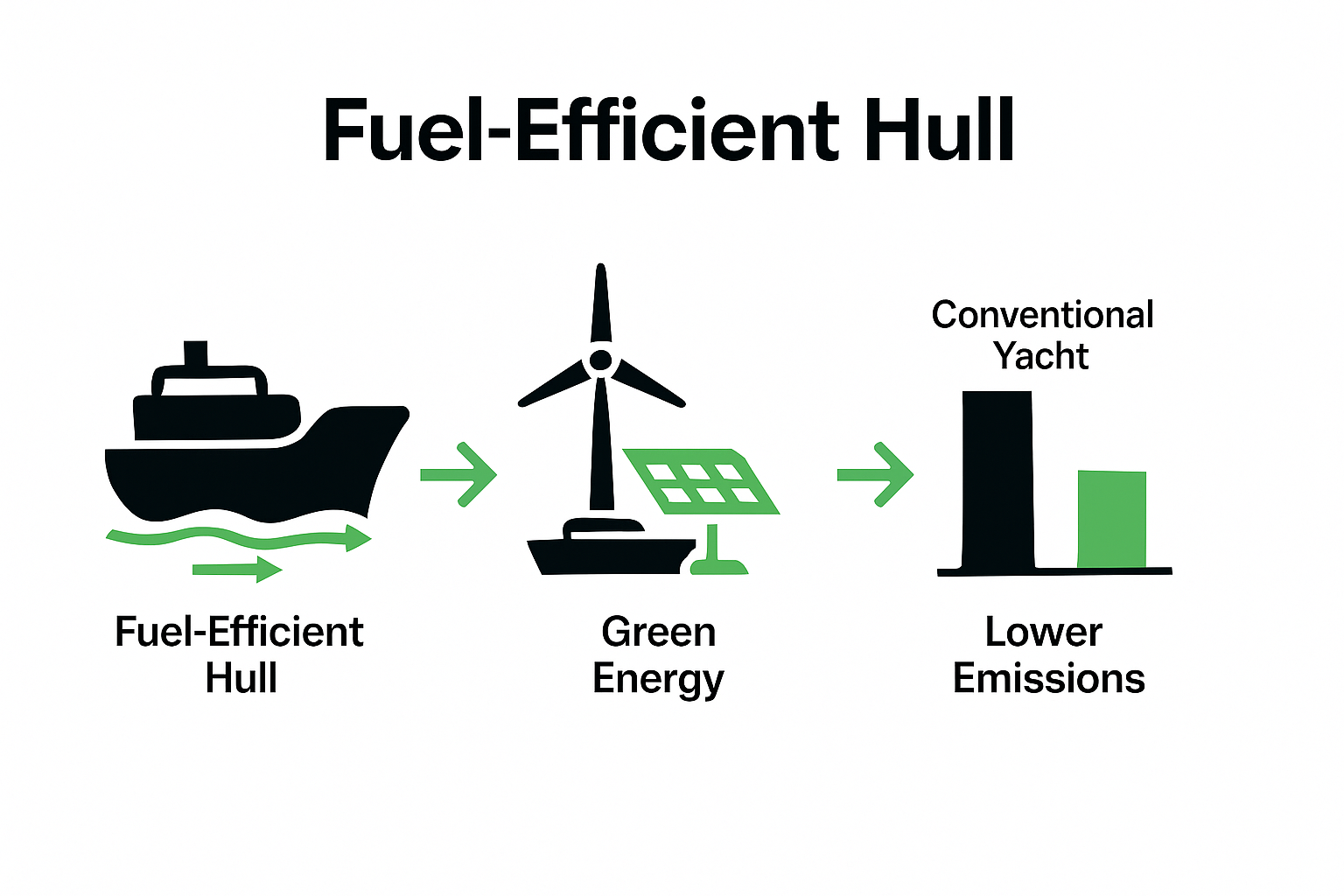
Technological sustainability has become a cornerstone of modern naval architecture, with designers implementing increasingly advanced solutions to address environmental challenges. Innovative propulsion technologies such as hydrogen fuel cells and AI-driven energy management systems are revolutionizing how vessels interact with marine ecosystems, creating a new paradigm of environmentally responsible maritime engineering.
Key sustainability strategies in yacht design include:
Zero-emission propulsion systems
Advanced energy recuperation technologies
Lightweight composite materials with reduced carbon footprint
Intelligent power management algorithms
Regenerative environmental monitoring systems
The evolution of sustainable yacht design extends beyond technological innovations, representing a holistic approach to maritime environmental stewardship. Designers now view vessels as integrated ecological systems, carefully balancing performance requirements with minimal environmental disruption. This approach transforms yacht design from a purely engineering challenge to a complex optimization problem that considers long-term ecological implications.
As environmental regulations become increasingly stringent and global awareness continues to grow, yacht design is poised to enter an unprecedented era of ecological innovation. Future vessels will likely feature increasingly sophisticated approaches to energy efficiency, utilizing advanced materials, intelligent design algorithms, and regenerative technologies that minimize environmental impact while maximizing performance and operational capabilities.
Financial Value and Return on Investment
Advanced naval architecture has transformed yacht ownership from a pure luxury expense into a strategic financial investment with complex economic considerations. Innovative design methodologies are now enabling owners to optimize vessel performance while simultaneously maximizing long-term financial returns through sophisticated engineering approaches that reduce operational costs and enhance overall asset value.
Economic optimization in yacht design has emerged as a critical consideration, with cutting-edge technological solutions dramatically reshaping traditional financial models. Machine learning applications are revolutionizing design processes, potentially reducing development cycle times and dramatically lowering initial design and engineering expenses, which directly impacts the overall financial viability of yacht projects.
Key financial value drivers in modern yacht design include:
Reduced fuel consumption through advanced propulsion systems
Lower maintenance costs via intelligent materials selection
Enhanced resale value through technological innovation
Optimized operational efficiency algorithms
Predictive maintenance technologies that minimize unexpected repairs
The financial landscape of yacht ownership has fundamentally transformed from a model of pure expenditure to a sophisticated investment strategy. Modern naval architects now approach vessel design as a comprehensive economic ecosystem, carefully balancing initial capital investment with long-term operational efficiency, sustainability considerations, and potential revenue generation opportunities.
As technological capabilities continue expanding, yacht design is evolving into an increasingly complex financial instrument. Future vessels will likely integrate advanced predictive modeling, intelligent economic optimization algorithms, and dynamic asset management technologies that transform maritime investments into strategically valuable, technologically sophisticated assets capable of generating substantial long-term financial returns.
Elevate Your Yacht Experience with Advanced Naval Architecture
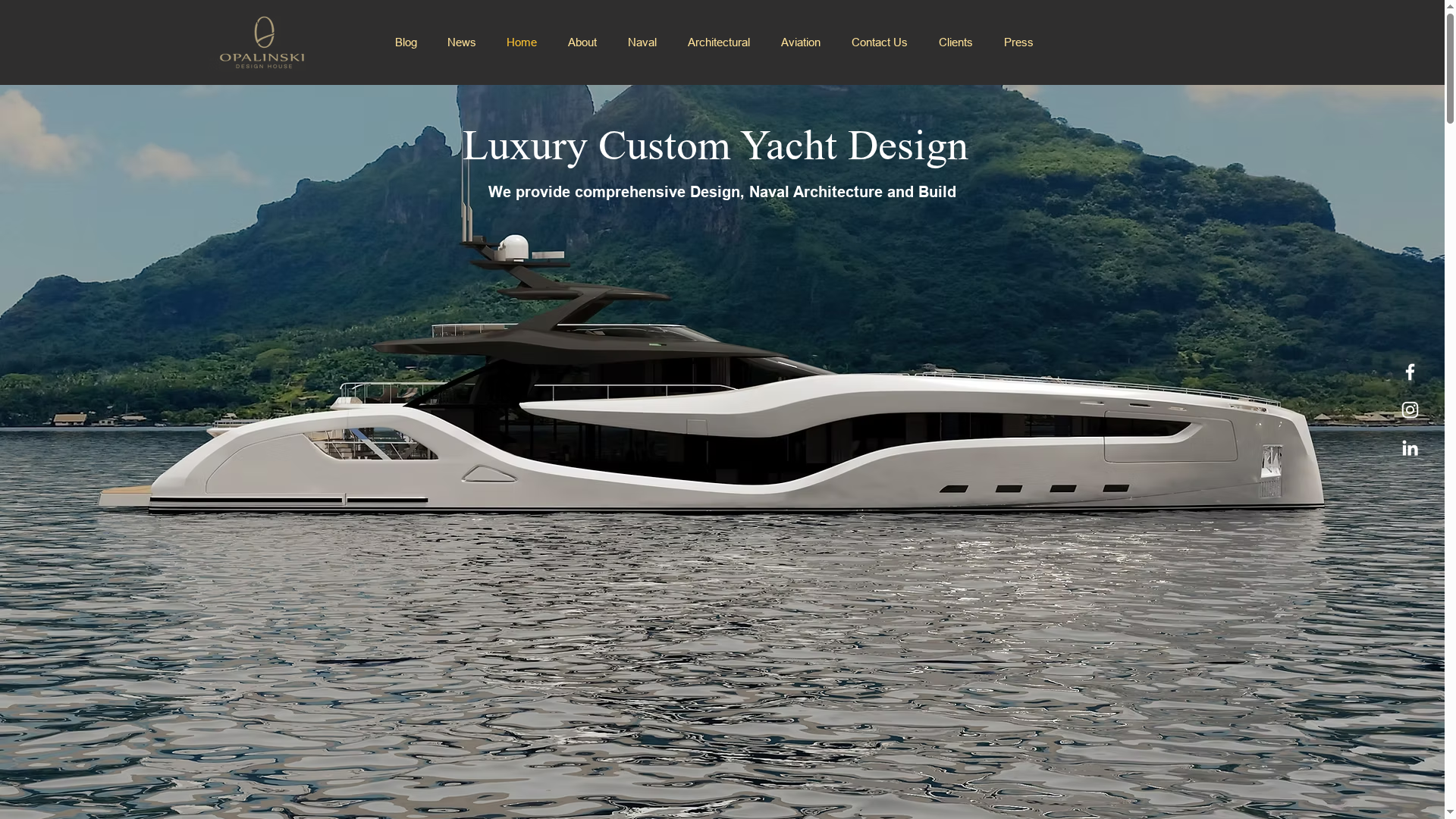
The challenges of achieving peak vessel performance, safety, and sustainability require more than traditional solutions. This guide highlights the importance of integrating precision hull geometry, energy efficiency optimization, and intelligent structural design to meet these sophisticated demands. At Opalinski Design House, we specialize in merging these advanced naval architecture principles with innovative features like patented fold-down transoms and rotational transoms developed for large vessels. Our bespoke approach transforms complex engineering and environmental challenges into elegant, functional yachts tailored to your needs.
Discover how our commitment to creative problem solving and technological excellence can redefine your yacht experience. Explore our portfolio and customized solutions today at Opalinski Design House. Begin your journey toward a luxury vessel crafted with cutting-edge design and sustainability in mind. Contact us now to receive a personalized quote and set sail on the future of naval innovation.
Frequently Asked Questions
What are the key principles of advanced naval architecture?
Key principles include precision hull geometry calculations, advanced computational fluid dynamics modeling, energy efficiency optimization, structural integrity analysis, and performance prediction algorithms.
How has modern yacht design changed due to technological advancements?
Modern yacht design has transformed through innovations like additive manufacturing, advanced composite materials, and intelligent energy management systems that enhance both performance and customization.
What role does safety play in advanced naval architecture?
Safety optimization is critical, with technologies such as intelligent hull geometry optimization and real-time structural integrity monitoring that enhance vessel resilience and operational safety.
How does sustainability impact modern yacht design?
Sustainability is a major focus, with strategies like zero-emission propulsion systems, lightweight composite materials, and intelligent power management algorithms aimed at reducing environmental impact in yacht operations.
Recommended
Comments