
Why Yacht Design Trends Change: Market Forces Revealed
- info27745
- Jan 8
- 7 min read

Most american yacht owners and European builders now expect more than opulence—they demand innovation that redefines what is possible on the water. Yacht design is in a rapid state of change, with sustainability and smart technology transforming over 60 percent of new builds globally. Keeping ahead means understanding how evolving owner lifestyles, environmental regulations, and digital breakthroughs are reshaping vessel features. This fresh perspective reveals how design trends create unique competitive advantages for those who refuse to settle for ordinary.
Table of Contents
Key Takeaways
Point | Details |
Yacht Design Evolution | Yacht design has transitioned from status symbols to eco-friendly, personalized vessels that reflect modern lifestyle demands. |
Technological Integration | Advancements in automation and navigation are revolutionizing yacht control, efficiency, and user experience. |
Demographic Shifts | Younger yacht owners prioritize sustainability and connectivity, seeking customizable experiences that align with their values. |
Customization as a Competitive Edge | Bespoke designs and personalized features have become essential for distinguishing offerings in a competitive market. |
Defining Yacht Design Trends and Evolution
Yacht design represents a sophisticated intersection of engineering, aesthetics, and technological innovation. Cross-disciplinary design principles demonstrate how these vessels are far more than mere transportation - they are complex expressions of human creativity and functional requirements.
Historically, yacht design has undergone significant transformations from pure status symbols to nuanced lifestyle statements. Modern yacht design now encompasses multiple critical considerations: sustainability, technological integration, owner personalization, and adaptive spatial engineering. Designers must balance aesthetic appeal with advanced engineering constraints, creating vessels that are simultaneously beautiful and functionally superior.
The evolution of yacht design reflects broader technological and cultural shifts. Contemporary yacht concepts prioritize environmental consciousness, advanced materials, and modular design approaches that allow for unprecedented customization. Designers now incorporate sophisticated systems for energy efficiency, advanced navigation technologies, and adaptable living spaces that can transform based on owner preferences.
Pro tip: When exploring yacht design trends, always consider the intersection between aesthetic innovation and functional engineering capabilities to understand truly remarkable vessel concepts.
Here’s a summary of how yacht design priorities have shifted over time:
Era | Key Focus | Typical Owner Expectations |
Early 20th Century | Status and Prestige | Display wealth, classic design |
Late 20th Century | Comfort & Luxury | Plush interiors, leisure-focused |
Modern Times | Sustainability & Tech | Eco-friendly, smart living spaces |
Future Outlook | Adaptability & Personalization | Modular spaces, unique experiences |
Technological Innovation Drives New Possibilities
The yacht design industry is experiencing a profound transformation through integrated digital design methodologies, revolutionizing how designers conceptualize and develop maritime vessels. These advanced approaches enable unprecedented levels of precision, collaboration, and creative exploration that were previously unimaginable.
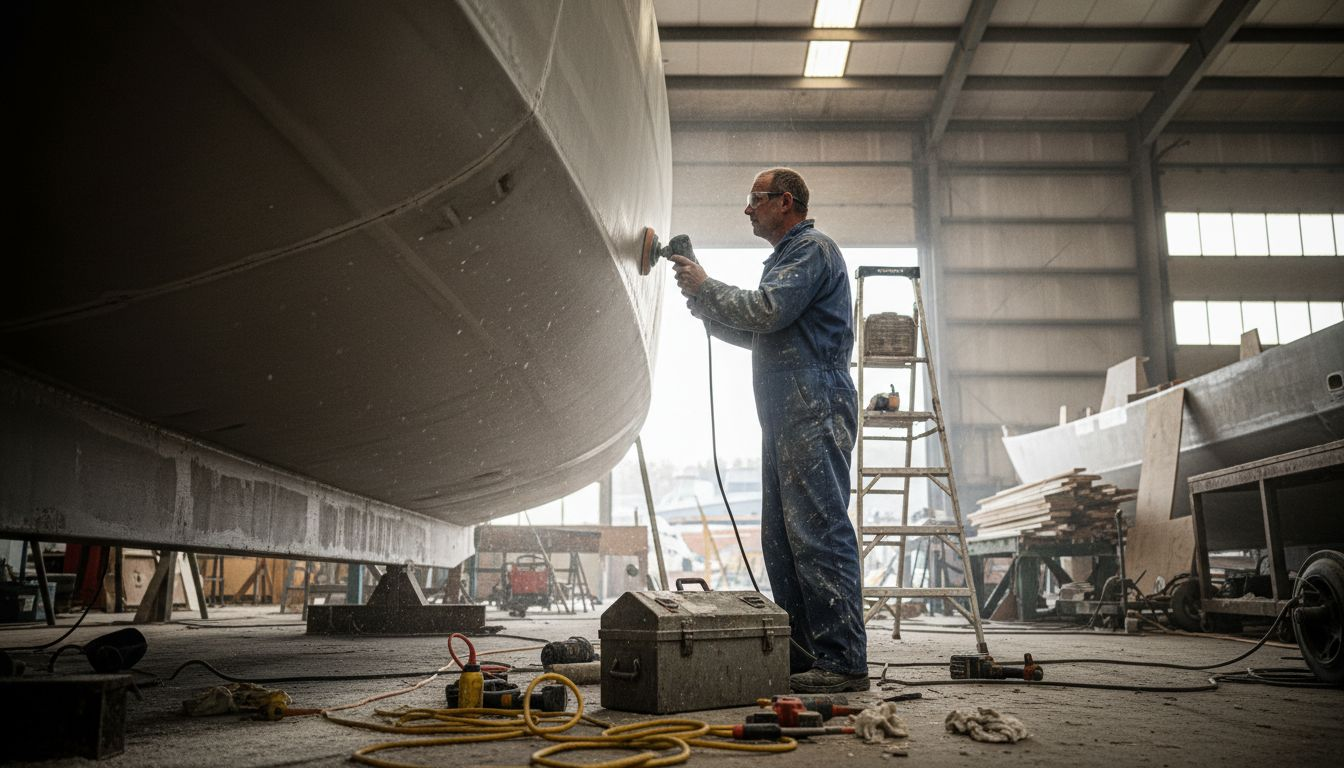
Technological innovations are reshaping yacht design across multiple dimensions. Smart automation and advanced navigation systems now allow for more sophisticated vessel control, reducing human error and enhancing operational efficiency. Key technological breakthroughs include hybrid propulsion systems, integrated sensor networks, and adaptive design platforms that can dynamically respond to environmental conditions and owner preferences.
Sustainability has become a central focus of technological innovation. Modern yacht technology increasingly incorporates eco-friendly materials, solar integration, and energy-efficient systems that minimize environmental impact. Designers are developing vessels that not only perform exceptionally but also demonstrate a commitment to responsible maritime engineering, using recyclable components, advanced waste management systems, and low-emission propulsion technologies.
Pro tip: When evaluating yacht technological innovations, focus on integrated solutions that balance performance, sustainability, and user experience rather than individual technological features.
This table compares major technological advances in yacht design and their benefits:
Technology Area | Main Benefit | Impact on Owners |
Hybrid Propulsion | Lower emissions, fuel savings | Reduced costs, green appeal |
Smart Automation | Enhanced vessel control | Easy operation, safety |
Modular Living Spaces | Flexible usage | Custom experiences |
Integrated Sensor Systems | Real-time data, efficiency | Smoother, safer travel |
Changing Owner Demographics and Lifestyles
The yacht ownership landscape is undergoing a dramatic transformation, driven by shifting demographic trends that challenge traditional maritime market expectations. Younger generations, particularly Gen X and early Millennials, are reimagining yacht ownership as a dynamic lifestyle choice rather than a static luxury asset.
Today’s yacht owners demand more than just a vessel - they seek a comprehensive experience that reflects their personal values and technological expectations. Connectivity, sustainability, and flexible usage models have become paramount considerations. This shift means designers must create vessels that seamlessly integrate advanced technologies, support remote work capabilities, and provide customizable spaces that adapt to changing personal and professional needs.
The emerging yacht ownership demographic is characterized by a more entrepreneurial and experience-driven approach. Unlike previous generations focused on traditional status symbols, these new owners prioritize environmental responsibility, technological integration, and multi-functional design. They view yachts as extensions of their personal brand - mobile platforms for work, recreation, and personal expression that reflect their commitment to innovation and global mobility.
Pro tip: When designing or selecting a yacht, prioritize adaptable spaces and sustainable technologies that align with evolving lifestyle and professional requirements.
Sustainability and Regulatory Pressures
The yacht industry is experiencing unprecedented transformation driven by environmental and regulatory challenges, compelling designers and builders to reimagine maritime engineering through a sustainability lens. These pressures are fundamentally reshaping how luxury vessels are conceived, constructed, and operated, moving beyond traditional performance metrics to incorporate ecological responsibility.
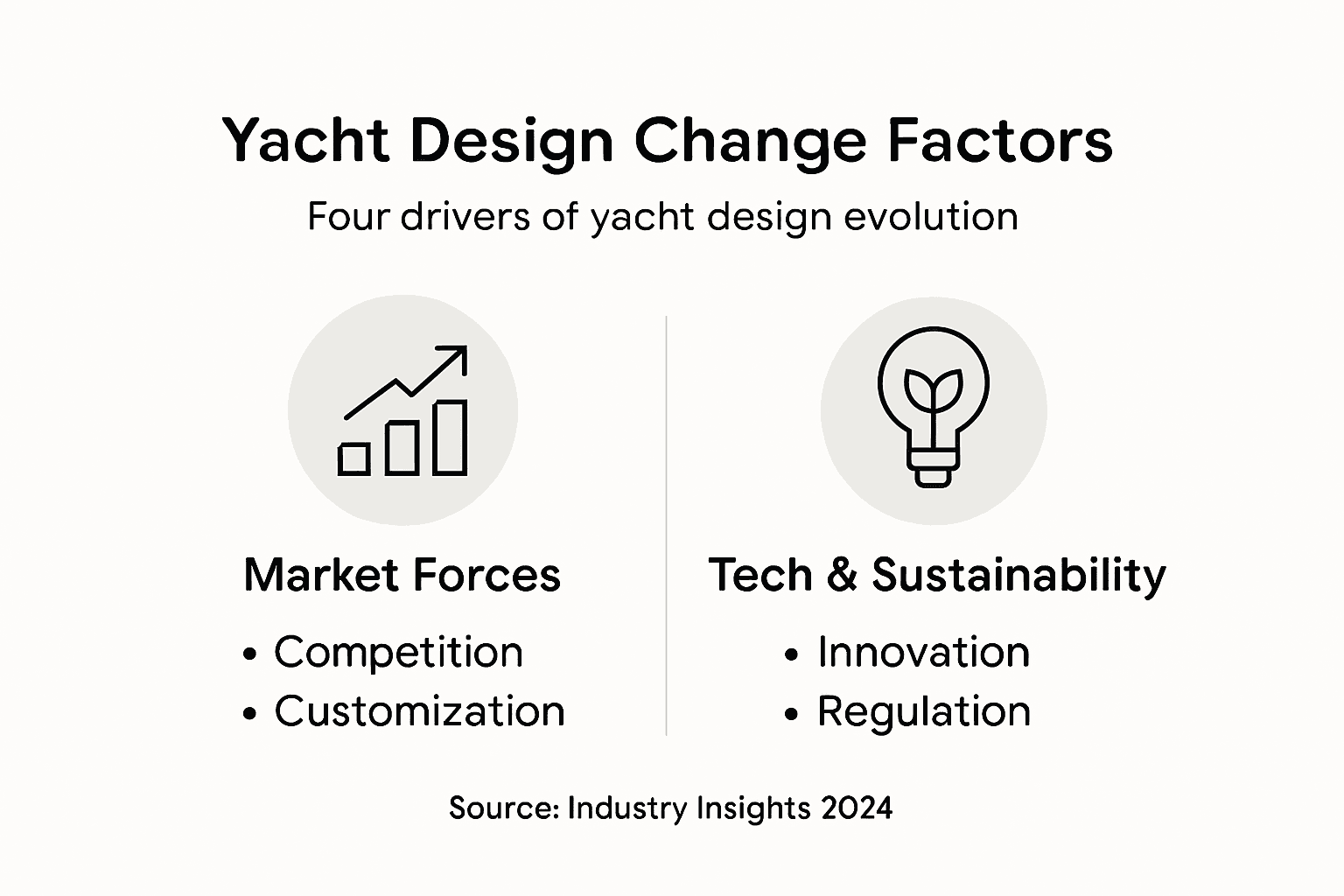
Regulatory frameworks are becoming increasingly stringent, with international maritime organizations implementing comprehensive emission standards and environmental impact assessments. Superyacht sustainability initiatives now include sophisticated measurement tools like the SEA Index, which systematically evaluates a vessel’s environmental footprint. These developments signal a profound shift from voluntary compliance to mandatory ecological accountability, pushing manufacturers to develop innovative green technologies and design strategies.
Industry leaders are adopting collaborative co-creation models that integrate owners, designers, builders, and environmental experts in a holistic approach to sustainable yacht development. This approach recognizes that meaningful ecological transformation requires comprehensive engagement across the entire maritime ecosystem. Emerging solutions include advanced hybrid propulsion systems, recyclable material sourcing, energy-efficient design principles, and intelligent waste management technologies that dramatically reduce environmental impact without compromising luxury or performance.
Pro tip: Prioritize yacht designs with modular, upgradeable green technologies that can adapt to evolving sustainability standards and regulatory requirements.
Market Competition and Customization Demand
The yacht industry is experiencing a profound transformation driven by intensely competitive market dynamics, where differentiation has become the primary strategy for success. Manufacturers are now compelled to develop unique value propositions that go far beyond traditional luxury offerings, focusing instead on creating highly personalized experiences that reflect individual owner identities.
Customization has emerged as a critical competitive advantage in the yacht market. Bespoke design approaches now allow owners unprecedented levels of personalization, transforming vessels from mere transportation into dynamic, adaptable lifestyle platforms. This trend encompasses everything from modular interior configurations and technology integration to specialized propulsion systems and sustainability features that can be tailored to specific owner preferences and operational requirements.
Technological innovation has become the primary battleground for market leadership. Manufacturers are investing heavily in smart technologies, advanced materials, and adaptive design capabilities that enable more flexible and personalized yacht experiences. The competitive landscape now demands not just aesthetic excellence, but also intelligent design that can seamlessly integrate cutting-edge navigation systems, energy management technologies, and user-centric features that anticipate and exceed owner expectations.
Pro tip: Evaluate yacht design proposals through the lens of adaptability, ensuring potential vessels can evolve with changing technological and personal requirements.
Elevate Your Yacht Experience with Cutting-Edge Design Solutions
The evolving yacht design landscape demands vessels that combine sustainability, advanced technology, and personalized living spaces crafted for dynamic lifestyles. Many yacht owners face challenges balancing aesthetic innovation with functional engineering, adapting to shifting market forces, and meeting rising expectations for eco-friendly features and smart automation. At Opalinski Design House, we understand these complexities and specialize in delivering bespoke yacht designs that seamlessly integrate modular adaptability, patented technological innovations like fold-down transoms, and luxurious custom interiors to match your unique vision.
Why settle for ordinary when your yacht can embody the future of maritime luxury? Explore our portfolio of revolutionary concepts and experience how our expertise transforms market trends into tangible benefits for you as an owner. Discover more about our innovative approach and personalized services at Opalinski Design House.
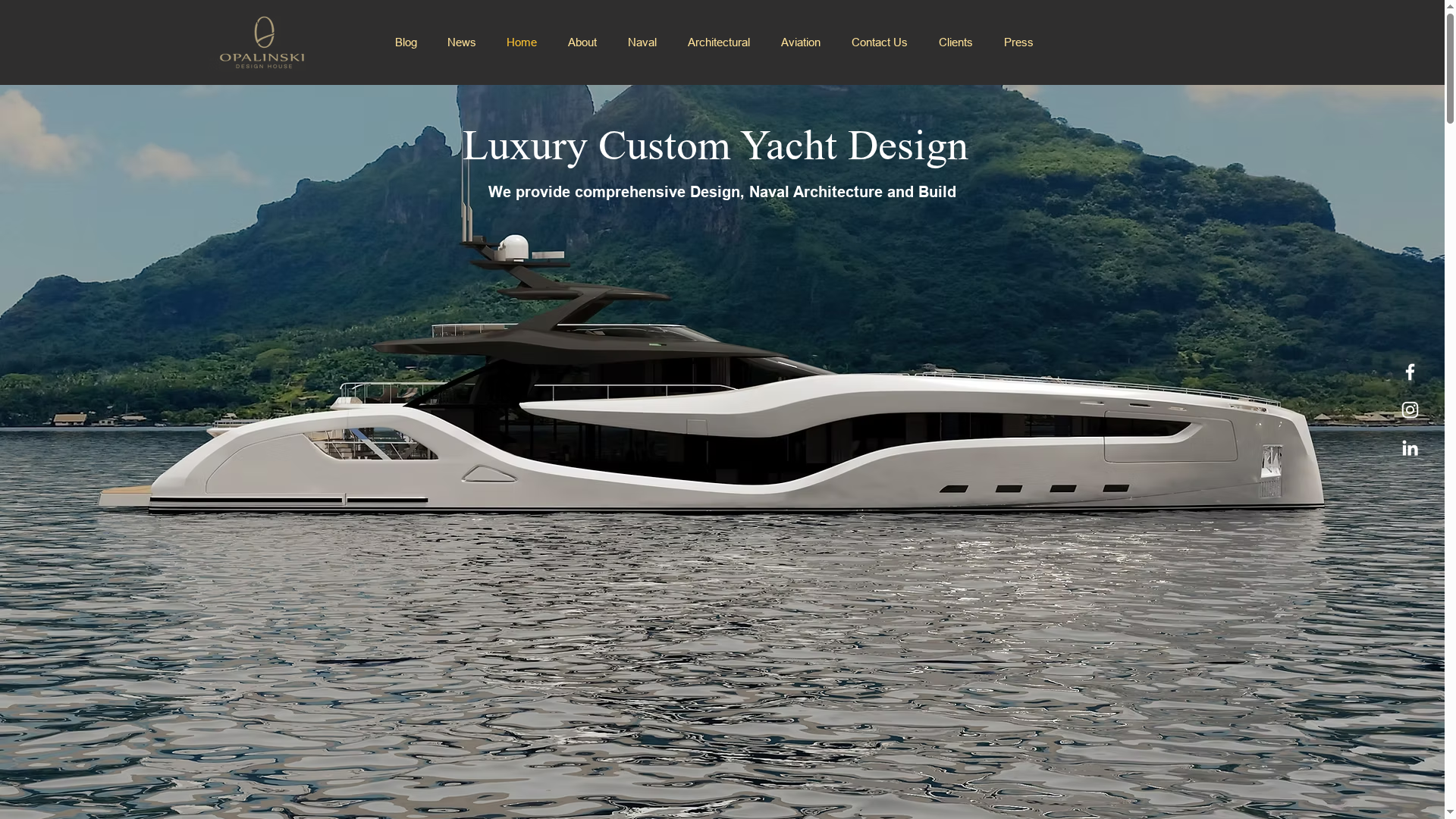
Ready to turn emerging yacht design trends into your perfect custom vessel? Contact us today to begin a collaborative journey tailored to your sustainable and technological ambitions. Visit our website now at Opalinski Design House and experience the intersection of visionary design and expert naval architecture. Dive deeper into how our patented technologies revolutionize yacht adaptability by learning about our innovative fold-down transom solutions that set new industry standards.
Frequently Asked Questions
What are the main factors driving changes in yacht design trends?
Yacht design trends are influenced by various factors, including advancements in technology, sustainability concerns, changing owner demographics, and market competition. Designers are increasingly prioritizing eco-friendly materials, smart technologies, and customizable spaces to meet modern consumer expectations.
How has sustainability impacted yacht design?
Sustainability has become a central focus in yacht design, leading to innovations such as hybrid propulsion systems, recyclable materials, and energy-efficient technologies. Designers are now incorporating eco-friendly practices into their designs to minimize environmental impacts while maintaining luxury and performance.
What role does technology play in contemporary yacht design?
Technology plays a crucial role in yacht design by enabling smart automation, advanced navigation systems, and integrated sensor networks. These technologies enhance operational efficiency, improve safety, and allow for customizable living spaces that adapt to owner preferences.
How do owner demographics influence yacht design trends?
Owner demographics, particularly younger generations, are shifting toward a more experience-driven approach to yacht ownership. Modern owners prioritize connectivity, sustainability, and adaptable designs, prompting designers to create vessels that reflect these values and support flexible usage for work and leisure.
Recommended


Comments