
Role of Exterior Design in Yachts: Shaping Luxury and Innovation
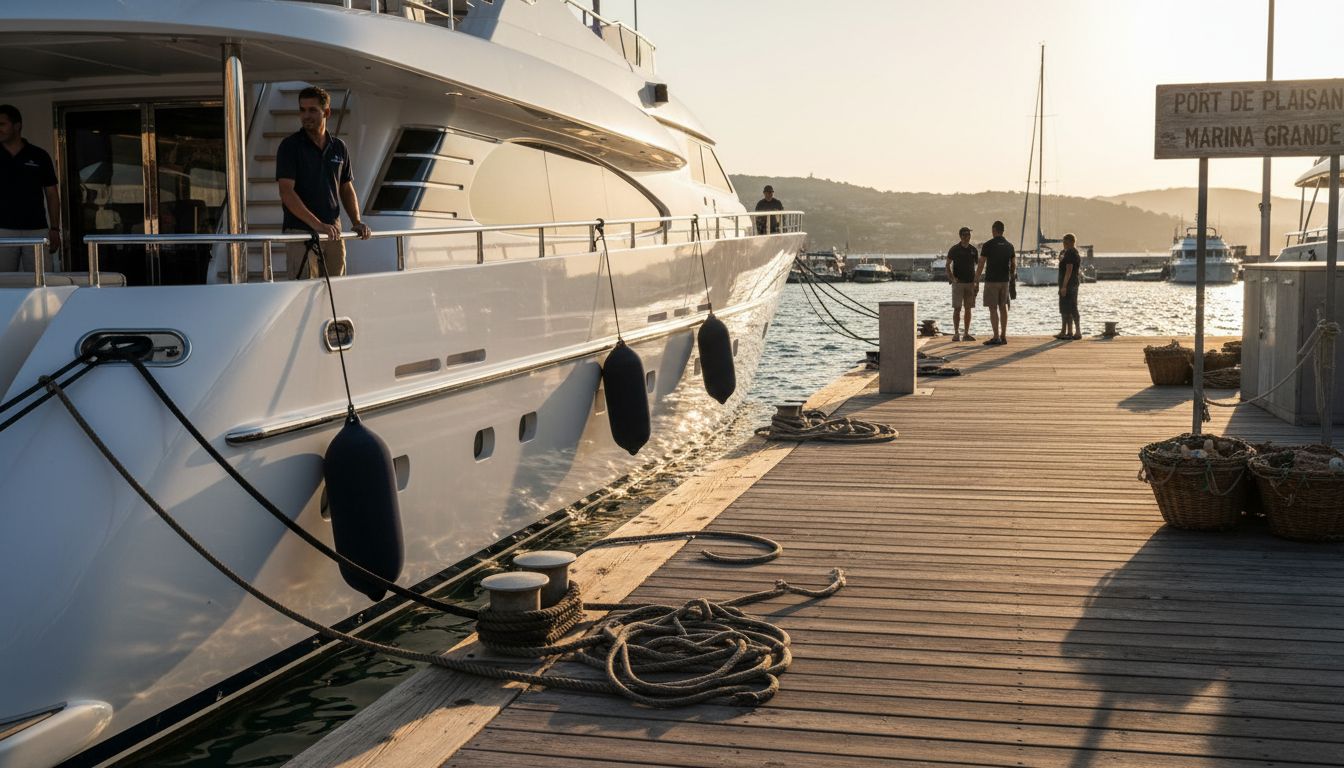
Most American yacht owners now demand exterior designs that go far beyond simple good looks. With more than 60 percent seeking customized features and cutting-edge technology, exterior design shapes not only the vessel’s visual identity but also its performance and comfort. Every detail influences everything from fuel efficiency to onboard experience. Discover why exterior design is the defining factor in building yachts that blend style, technology, and personal expression.
Table of Contents
Key Takeaways
Point | Details |
Integration of Form and Function | Yacht exterior design combines aesthetic appeal with functional engineering, impacting hydrodynamics, stability, and onboard comfort. |
Emergence of Sustainable Practices | Modern yacht design prioritizes environmental responsibility, utilizing innovative materials and energy-efficient systems to minimize ecological impact. |
Customization and Personalization Trends | Owners increasingly seek unique designs that reflect their personal tastes while integrating advanced technological features. |
Technological Advancements | Innovations in materials and design techniques are revolutionizing yacht exterior configurations, enhancing performance and visual appeal. |
Defining Exterior Design for Yachts
Exterior design in yachting represents far more than aesthetic appeal — it is a complex architectural dialogue between form, function, and technological innovation. Naval architecture transforms vessels from mere transportation into floating masterpieces that communicate sophistication, engineering prowess, and the owner’s unique vision.
At its core, yacht exterior design integrates multiple critical elements that go beyond surface-level beauty. Comprehensive design studies reveal the intricate relationship between external styling and interior functionality, demonstrating how exterior shapes directly influence internal spatial configurations. The exterior isn’t just a shell — it’s a strategic canvas that determines hydrodynamic performance, onboard comfort, and overall vessel character.
The key components of yacht exterior design encompass several nuanced aspects:
Hull geometry and shape optimization
Aerodynamic and hydrodynamic considerations
Material selection for structural integrity
Strategic placement of windows, decks, and functional spaces
Integration of technological systems and mechanical requirements
Successful exterior design requires an extraordinary blend of artistic vision and engineering precision. Naval architects must balance aesthetic elegance with technical performance, creating vessels that are not just visually stunning but also supremely functional. Every curve, angle, and surface becomes a calculated decision that impacts speed, stability, fuel efficiency, and the overall maritime experience.
Distinctive Yacht Exterior Design Styles
Yacht exterior design styles represent a complex spectrum of artistic expression and technological innovation, ranging from classic elegance to cutting-edge futuristic concepts. These design approaches reflect not just aesthetic preferences, but also the evolving technological capabilities of marine engineering and the unique personalities of their owners.
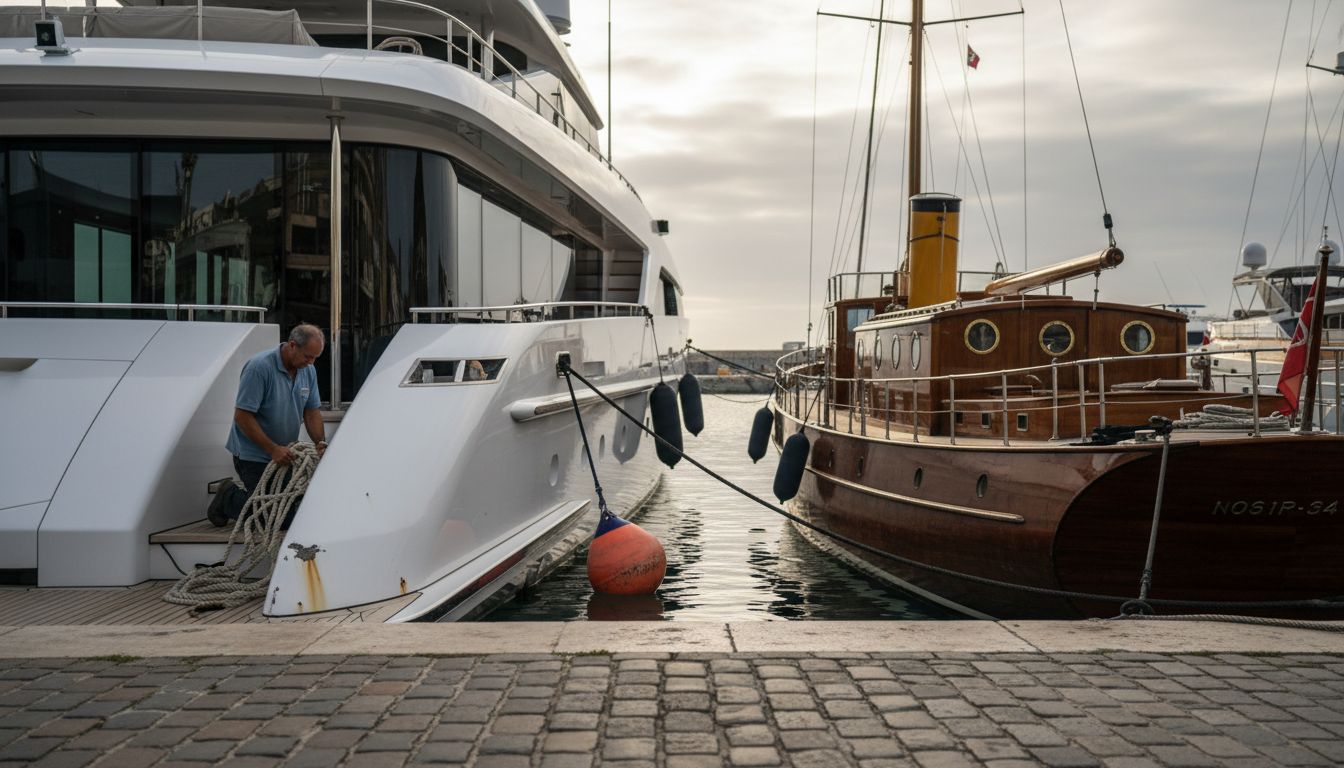
Distinctive superyacht exteriors demonstrate remarkable creativity, with some vessels pushing architectural boundaries through unconventional materials and sculptural forms. For instance, contemporary designs like the ‘Artefact’ showcase multifaceted exteriors that integrate extensive glass surfaces, creating visually dynamic and multidimensional maritime experiences.
The primary yacht exterior design styles can be categorized into several distinctive approaches:
Classic Nautical Style: Traditional lines, symmetrical proportions, and refined silhouettes
Modern Minimalist: Clean geometric forms, monochromatic color schemes, and streamlined surfaces
Avant-Garde: Experimental shapes, asymmetrical configurations, and bold architectural statements
Performance-Oriented: Aerodynamic hulls designed for maximum speed and efficiency
Eco-Conscious: Sustainable materials and designs that minimize environmental impact
Prestigious design awards recognize vessels like ‘Galileo G’ and ‘Tango’ that demonstrate extraordinary exterior design innovation. These designs transcend traditional maritime aesthetics, transforming yachts from mere transportation into floating architectural masterpieces that challenge conventional maritime design paradigms.
Innovative Features and Technological Advances
Yacht technological innovation represents the cutting edge of maritime design, transforming vessels from traditional transportation into sophisticated technological platforms that challenge existing engineering paradigms. Modern yacht design integrates advanced computational techniques, materials science, and digital modeling to push the boundaries of what’s possible on the water.
Advanced parametric modeling techniques are revolutionizing hull design, utilizing deep learning algorithms to generate unprecedented hull shapes that optimize performance, efficiency, and aesthetic appeal. These computational approaches enable naval architects to explore design possibilities far beyond traditional constraints, creating vessels that are more hydrodynamic, structurally efficient, and visually striking.
Key technological innovations in yacht exterior design include:
Adaptive Hull Geometries: Dynamic shapes that can modify their profile for improved performance
Smart Material Integration: Self-healing composites and responsive surface technologies
Advanced Computational Design: AI-driven modeling for optimal hydrodynamic configurations
Sustainable Energy Systems: Solar integration, hybrid propulsion, and energy-efficient designs
Enhanced Structural Monitoring: Real-time structural health assessment technologies
These technological advances represent more than incremental improvements — they signify a fundamental reimagining of maritime design. By combining cutting-edge computational modeling, materials engineering, and design philosophy, modern yacht exteriors are becoming intelligent, adaptive systems that respond dynamically to environmental conditions while delivering unprecedented levels of performance, comfort, and aesthetic sophistication.
Impact on Performance and Functionality
Yacht exterior design is far more than a visual statement — it represents a complex engineering approach that directly influences a vessel’s performance, stability, and operational capabilities. Naval architecture principles reveal that every curve, angle, and surface configuration plays a critical role in determining how a yacht interacts with marine environments.
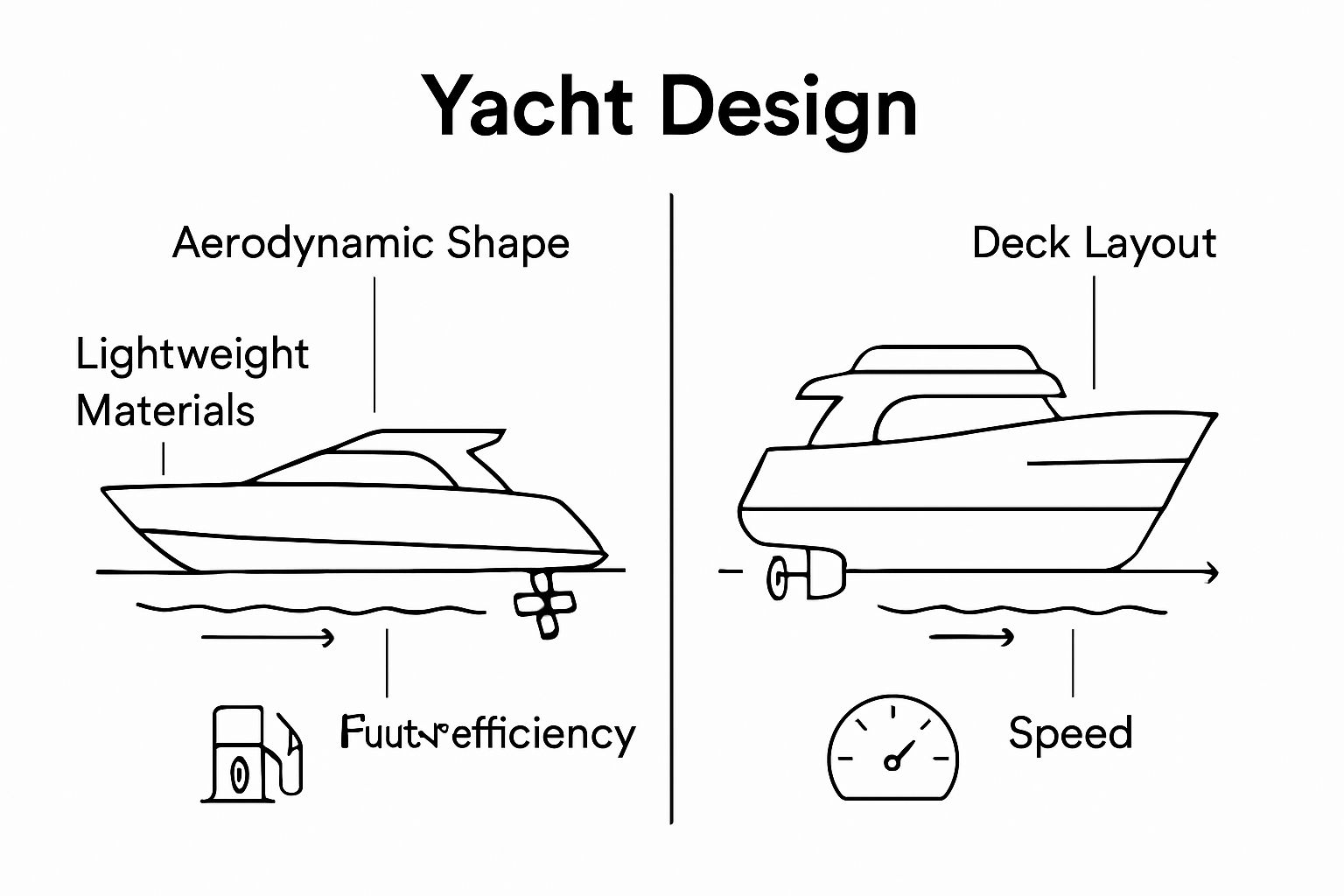
Advanced exterior customization strategies demonstrate that exterior modifications can dramatically transform a yacht’s functional characteristics. The relationship between exterior design and performance is intricate, involving multiple interconnected factors that extend beyond simple aesthetic considerations.
Key performance-related exterior design considerations include:
Hull Shape Optimization: Reducing water resistance and improving hydrodynamic efficiency
Weight Distribution: Ensuring balanced load management and stability
Material Selection: Balancing strength, weight, and environmental resilience
Aerodynamic Profiling: Minimizing wind resistance and enhancing overall vessel movement
Structural Integrity: Designing exteriors that withstand extreme maritime conditions
Successful yacht exterior design requires a delicate balance between engineering precision and creative innovation. Naval architects must synthesize complex mathematical modeling, material science, and design aesthetics to create vessels that are not just visually impressive, but also supremely functional. Every design decision carries profound implications for speed, fuel efficiency, maneuverability, and the overall maritime experience.
Sustainability and Environmental Considerations
Environmental consciousness has become a paramount consideration in modern yacht exterior design, transforming the maritime industry’s approach to luxury vessel creation. The growing imperative for sustainable engineering is reshaping how naval architects conceptualize and execute yacht exteriors, moving beyond aesthetic appeal to prioritize ecological responsibility.
Innovative superyacht designs are pioneering environmental integration, with vessels like ‘Artefact’ demonstrating how hybrid propulsion systems and strategic material choices can significantly reduce carbon footprints. These advanced designs showcase how exterior configuration directly impacts a vessel’s environmental performance, integrating technological solutions that minimize ecological disruption.
Key sustainability strategies in yacht exterior design include:
Lightweight Composite Materials: Reducing vessel weight and improving fuel efficiency
Solar Integration: Incorporating photovoltaic surfaces into exterior design
Hydrodynamic Optimization: Minimizing water resistance to decrease energy consumption
Recyclable Construction Materials: Utilizing environmentally responsible production techniques
Adaptive Color and Surface Technologies: Developing exterior treatments that interact harmoniously with marine environments
The future of yacht exterior design lies in creating vessels that are not just visually stunning, but environmentally intelligent. Naval architects are increasingly viewing sustainability not as a constraint, but as an opportunity for innovative design — crafting exteriors that represent a sophisticated dialogue between technological capability, aesthetic expression, and ecological stewardship.
Market Influence and Owner Expectations
Yacht exterior design has evolved into a sophisticated dialogue between designer creativity, technological innovation, and the unique personal visions of yacht owners. The exterior design process represents a complex negotiation of aesthetic preferences, technological capabilities, and individual lifestyle requirements.
Modern yacht owners are increasingly demanding vessels that reflect their personal identity while simultaneously pushing the boundaries of technological and design innovation. Prestigious design competitions highlight the growing sophistication of owner expectations, with designs that showcase extraordinary levels of customization and personal expression.
Key market trends and owner expectations include:
Personalization: Tailored exterior designs that reflect individual aesthetic preferences
Technological Integration: Advanced systems that enhance performance and comfort
Sustainability: Environmentally conscious design solutions
Versatility: Adaptable exterior configurations for multiple usage scenarios
Visual Storytelling: Exteriors that communicate the owner’s lifestyle and personal brand
The contemporary yacht market demands more than traditional luxury — it seeks vessels that are dynamic, intelligent systems representing the pinnacle of personal expression. Naval architects and designers must now balance technical precision with deeply personalized design approaches, creating exteriors that are not just modes of transportation, but extensions of their owners’ most sophisticated aspirations.
Elevate Your Yacht’s Exterior Design with Innovation and Expertise
The article explores how yacht exterior design is crucial not only for aesthetic appeal but also for optimizing performance, sustainability, and personal expression. If you are seeking to overcome challenges like balancing hydrodynamic efficiency, integrating advanced technologies, or achieving bespoke luxurious styles, our team at Opalinski Design House has the proven expertise to turn your vision into reality. By combining innovative naval architecture with patented features such as fold-down transoms and rotational bulkheads, we create exterior designs that shape both luxury and cutting-edge functionality.
Discover how our creative approach addresses your goals for performance, sustainability, and distinctive style with precision and flair. Visit Opalinski Design House today to explore our portfolio and learn how we can bring your personalized yacht exterior design to life. Don’t wait to redefine what your yacht can be. Contact us now for a tailored consultation and make your luxury vessel an icon of innovation.
Frequently Asked Questions
What is the importance of exterior design in yachts?
The exterior design in yachts is crucial as it enhances not only aesthetic appeal but also influences hydrodynamic performance, onboard comfort, and the vessel’s overall character.
What are the key components of yacht exterior design?
Key components include hull geometry, aerodynamic considerations, material selection, strategic placement of functional spaces, and integration of technological systems.
How do innovation and technology influence yacht exterior design?
Innovation and technology enable advanced design approaches, such as parametric modeling and smart materials, which enhance performance, efficiency, and aesthetic appeal, pushing the limits of traditional yacht design.
What role does sustainability play in yacht exterior design?
Sustainability has become a primary consideration, with designs focusing on lightweight materials, solar energy integration, and hydrodynamic optimization to minimize environmental impact while enhancing performance.
Recommended
Comments