
Yacht Innovation: Transforming Ownership and Value
- info27745
- Dec 30, 2025
- 8 min read
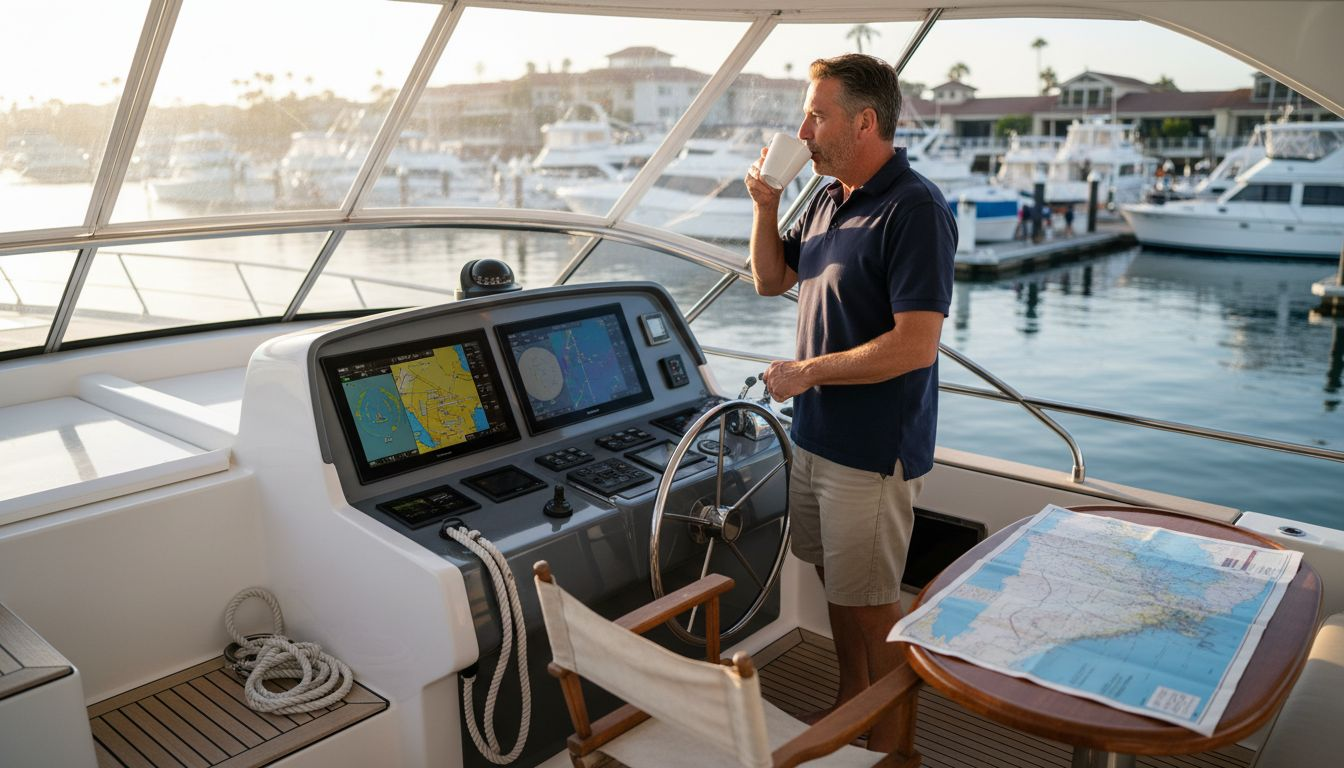
Most American yacht owners now expect more than pure luxury—they demand innovation that transforms both experience and performance. In today’s high-stakes market, integrating advanced technology, eco-friendly systems, and intelligent design is not just a trend but a necessity for the world’s elite. With over 60 percent of new superyacht projects featuring smart automation and sustainable propulsion, this article explores how the latest breakthroughs are redefining what is possible in custom yacht design.
Table of Contents
Key Takeaways
Point | Details |
Yacht Innovation Focus | Modern yacht designs prioritize technological integration, sustainability, and adaptive functionality for improved maritime experiences. |
Technological Advancements | Advanced materials and smart systems are revolutionizing yacht performance while enhancing environmental responsibility. |
Financial Considerations | Strategic financial planning including charter revenue and tax advantages can transform yacht ownership into a viable investment. |
Sustainability Importance | Emphasizing sustainable technologies in yacht design is crucial for reducing environmental impact and appealing to eco-conscious buyers. |
Defining Yacht Innovation and Its Impact
Yacht innovation represents a profound transformation in maritime design, moving far beyond traditional luxury perceptions. Yacht innovation is increasingly becoming a multidisciplinary approach that integrates advanced technologies, sustainability considerations, and adaptive design strategies to reimagine maritime experiences.
At its core, modern yacht innovation focuses on three critical dimensions: technological integration, environmental responsibility, and adaptive functionality. Contemporary yacht designers are no longer simply creating floating status symbols but developing intelligent vessels that respond dynamically to owner needs and global environmental challenges. These innovations include advanced materials that reduce weight and increase efficiency, smart navigation systems that optimize fuel consumption, and modular design concepts that allow unprecedented customization.
The impact of yacht innovation extends well beyond aesthetic improvements. Technological advancements are fundamentally reshaping ownership models, maintenance strategies, and environmental performance. Naval architects now incorporate computational fluid dynamics, lightweight composite materials, and energy-efficient propulsion systems that dramatically reduce carbon footprints while enhancing vessel performance. By embracing sophisticated naval architecture practices, the industry is creating vessels that are not just transportation mediums but intelligent, responsive platforms for maritime exploration.
Pro tip: When considering a yacht investment, prioritize designs that demonstrate technological adaptability and sustainability features, as these will likely retain higher value and offer more flexible long-term utility.
Types of Yacht Innovation Technologies
Yacht innovation technologies represent a transformative leap in maritime engineering, encompassing a range of sophisticated systems that redefine vessel performance and user experience. Modern yacht technologies now integrate intelligent systems that dramatically enhance navigation, efficiency, and sustainability, pushing the boundaries of what was previously considered possible in maritime design.
The primary categories of yacht innovation technologies include advanced propulsion systems, smart navigation tools, and adaptive material technologies. Electric and hybrid propulsion systems stand at the forefront, offering unprecedented environmental efficiency and reduced operational noise. These technologies enable yachts to operate with minimal carbon emissions while maintaining exceptional performance capabilities. Smart navigation tools now incorporate artificial intelligence and advanced sensor networks, providing real-time environmental monitoring, predictive maintenance alerts, and autonomous navigation capabilities that significantly enhance safety and operational intelligence.
Adaptive material technologies represent another critical dimension of yacht innovation. Cutting-edge materials like carbon fiber and graphene enable naval architects to design lighter, stronger, and more responsive vessels. These advanced materials reduce overall vessel weight, improve fuel efficiency, and allow for more complex design configurations that were previously impossible. Integrated management systems further complement these technological advances, offering owners unprecedented control through smartphone interfaces and AI-driven monitoring platforms that can manage everything from climate control to security systems.
Pro tip: When evaluating yacht technologies, prioritize systems that offer modular upgradability and demonstrate proven reliability across multiple maritime environments.
Here’s a summary comparing core types of yacht innovation technologies and their primary benefits:
Technology Type | Main Function | Business Impact |
Electric Propulsion | Low-emission, quiet propulsion | Reduces fuel costs and improves sustainability |
Smart Navigation Systems | AI-based navigation, safety alerts | Enables safer voyages and reduces insurance risks |
Adaptive Materials | Lightweight, strong vessel design | Enhances fuel efficiency, lowers maintenance expenses |
Integrated Management | Centralized digital control | Boosts operational efficiency and owner convenience |
Key Features of Modern Innovative Yachts
Modern innovative yachts represent a remarkable convergence of technological sophistication, environmental consciousness, and unparalleled luxury design. Contemporary yacht styling explores groundbreaking concepts that transcend traditional maritime engineering, integrating cutting-edge materials, adaptive technologies, and user-centric design philosophies that redefine maritime experiences.
The key features of these innovative vessels encompass several critical domains. First, sustainable propulsion systems have become paramount, with electric and hybrid technologies dramatically reducing environmental impact while maintaining exceptional performance. Advanced stabilization technologies ensure unprecedented comfort, utilizing gyroscopic systems and sophisticated hull designs that minimize vessel movement and maximize passenger experience. Smart integration technologies now allow owners complete control through intuitive digital interfaces, enabling remote management of climate control, security systems, and onboard amenities with unprecedented precision and convenience.
Structural innovations represent another fundamental aspect of modern yacht design. Lightweight composite materials like carbon fiber and advanced aluminum alloys enable naval architects to create vessels that are simultaneously stronger, more fuel-efficient, and more agile than traditional designs. Modular interior configurations provide extraordinary flexibility, allowing spaces to be rapidly reconfigured for different purposes - transforming entertainment areas into private workspaces or relaxation zones with minimal effort. These design approaches reflect a holistic understanding of how modern yacht owners desire adaptable, multipurpose environments that can seamlessly transition between work, leisure, and personal relaxation.
Pro tip: When evaluating innovative yacht features, prioritize designs that offer technological adaptability, sustainable technologies, and intelligent system integrations that can be upgraded over time.
Financial Benefits and ROI for Owners
Yacht ownership represents a complex financial ecosystem that extends far beyond traditional investment paradigms. Successful yacht ownership requires strategic financial planning that balances lifestyle aspirations with potential revenue generation, transforming what might initially appear as a pure luxury expense into a nuanced financial asset.
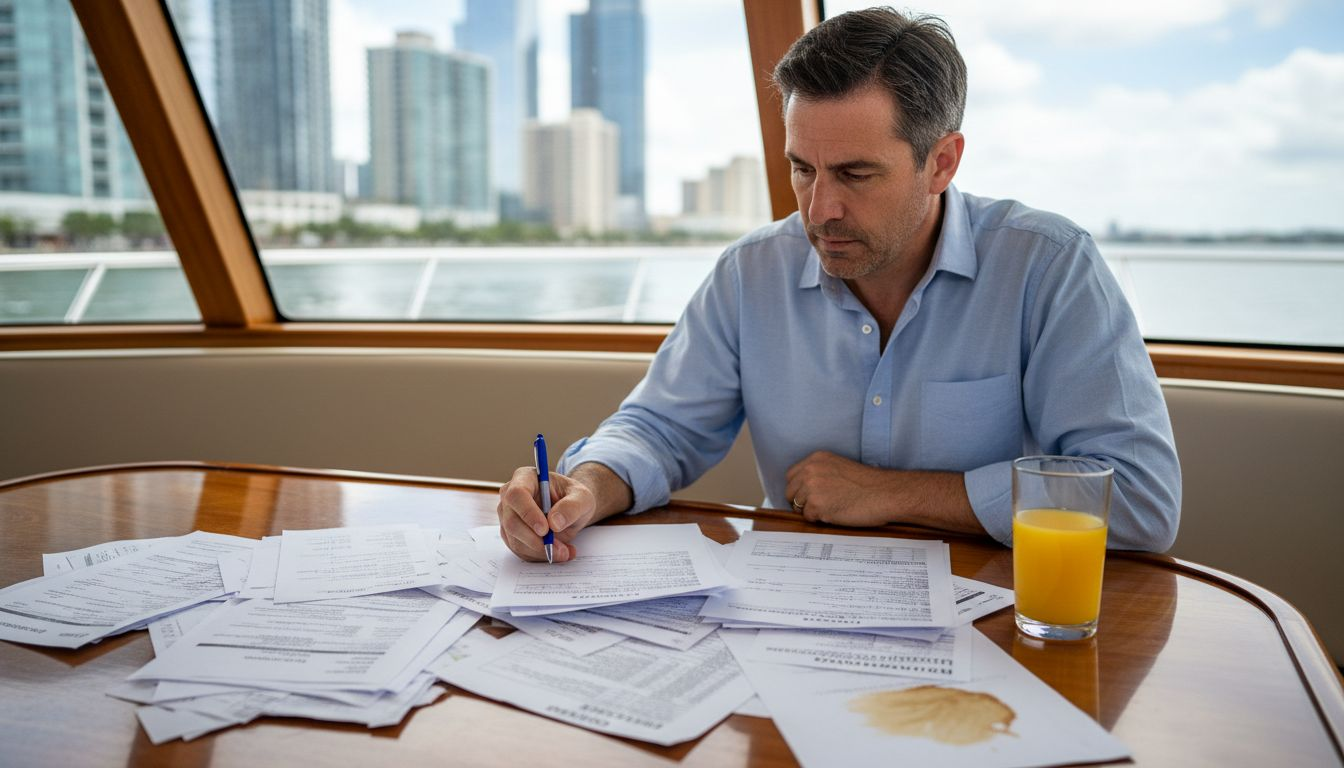
The primary financial strategies for yacht owners typically involve charter revenue, potential tax advantages, and long-term asset appreciation. Charter programs offer owners an opportunity to offset substantial operational costs by making their vessel available for commercial rental during periods of personal non-use. Sophisticated owners increasingly view their yachts as dynamic financial instruments, implementing advanced management strategies that can generate meaningful income streams. These approaches might include partial ownership models, corporate charter arrangements, and strategic leasing agreements that distribute financial risks while maximizing potential returns.
Tax considerations play a significant role in yacht ownership economics, with jurisdictions offering various incentives for maritime investments. Depreciation benefits, potential business expense deductions, and international maritime tax frameworks can provide substantial financial advantages for strategic owners. Moreover, the yacht market demonstrates unique valuation dynamics, with well-maintained, technologically advanced vessels often experiencing slower depreciation rates compared to traditional transportation assets. Innovative design features, sustainable technologies, and adaptable configurations can substantially enhance long-term market value, presenting discerning owners with opportunities for strategic financial positioning.
Pro tip: Consult maritime financial specialists who understand the complex intersection of yacht ownership, tax strategy, and charter management to develop a comprehensive financial approach.
The table below summarizes key financial and strategic benefits modern yacht owners may leverage:
Benefit | Description | Long-Term Impact |
Charter Revenue | Income from renting yacht out | Offsets ownership costs |
Tax Incentives | Depreciation, deductions, exemptions | Improves ROI and market value |
Asset Appreciation | Value retention via innovation | Slower depreciation, higher resale values |
Strategic Ownership | Partial or corporate ownership | Shares risk, increases flexibility |
Environmental Advantages and Sustainability
The yacht industry is experiencing a profound transformation towards environmental responsibility, driven by technological innovations that fundamentally reimagine maritime design and operations. Digital technologies and intelligent composite materials are revolutionizing sustainable yacht design, creating vessels that dramatically reduce environmental impact while maintaining exceptional performance and luxury standards.
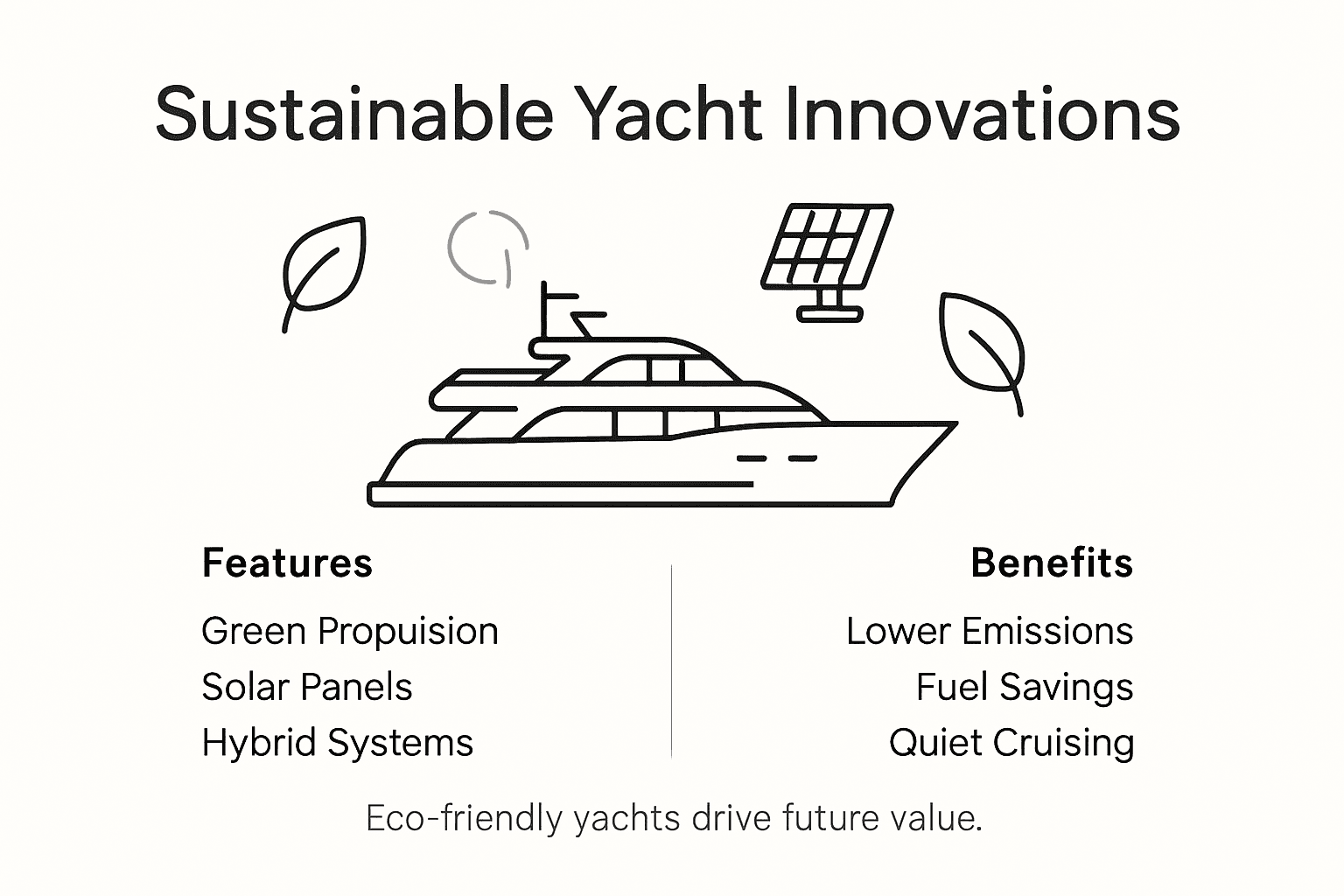
Sustainability in yacht design now encompasses multiple critical dimensions, including propulsion technologies, material selection, and operational efficiency. Emerging technologies like hydrogen propulsion, advanced hybrid systems, and integrated solar energy solutions are enabling vessels to achieve unprecedented levels of environmental performance. These innovations go beyond simple emissions reduction, creating comprehensive ecosystems that minimize carbon footprints through intelligent design strategies. Lightweight composite materials, advanced energy management systems, and modular design approaches allow naval architects to create vessels that are simultaneously more efficient, more adaptable, and significantly more environmentally responsible.
Sustainable yachting initiatives are rapidly becoming global industry standards, transforming what was once considered a high-consumption industry into a potential leader in maritime environmental innovation. The integration of smart systems enables real-time environmental monitoring, predictive maintenance, and adaptive energy management. These technologies not only reduce immediate environmental impact but also create long-term sustainability frameworks that position yacht ownership as a responsible choice for environmentally conscious individuals. Advanced design methodologies now prioritize lifecycle analysis, considering everything from manufacturing processes to eventual vessel decommissioning, ensuring a holistic approach to environmental stewardship.
Pro tip: When exploring yacht ownership, prioritize designs that demonstrate comprehensive sustainability features and integrate advanced environmental technologies.
Avoiding Common Investment Mistakes
Yacht investment represents a complex financial landscape that demands sophisticated strategic planning and comprehensive understanding. Investors must navigate a multifaceted terrain of financial considerations far beyond the initial purchase price, including ongoing operational expenses, market dynamics, and intricate regulatory frameworks that can dramatically impact long-term investment performance.
The most critical investment mistakes typically emerge from inadequate financial preparation and unrealistic expectations. Potential yacht owners frequently underestimate the substantial ongoing costs associated with vessel maintenance, which include comprehensive insurance coverage, annual docking fees, crew salaries, fuel expenses, and specialized technical maintenance. Many investors fail to develop comprehensive financial models that account for these multifaceted expenses, leading to unexpected financial strain. Sophisticated investors recognize that yacht ownership requires a holistic financial strategy that incorporates potential charter revenue, tax considerations, and proactive depreciation management to create a balanced investment approach.
Risk management represents another crucial dimension of avoiding investment pitfalls in yacht ownership. Successful investors develop robust due diligence processes that encompass thorough market research, detailed vessel inspection protocols, and strategic contingency planning. This approach involves understanding regional maritime regulations, assessing potential charter market volatility, and developing flexible ownership structures that can adapt to changing economic conditions. By implementing comprehensive risk mitigation strategies, investors can transform what might initially appear as a high-risk luxury asset into a potentially profitable and personally rewarding investment vehicle.
Pro tip: Consult specialized maritime financial advisors who can provide comprehensive analysis of potential yacht investments, incorporating detailed operational cost projections and market trend assessments.
Elevate Your Yacht Ownership with Cutting-Edge Innovation from Opalinski Design House
The article highlights key challenges faced by modern yacht owners such as balancing sustainability, technological adaptability, and maximizing long-term value. If you are looking to transform your yacht experience and investment with bespoke solutions that blend advanced naval architecture and patented innovations like fold-down transoms, Opalinski Design House offers exactly what you need. Their expertise addresses pain points including operational efficiency, intelligent design, and adaptable features that sustain value and enhance usability.
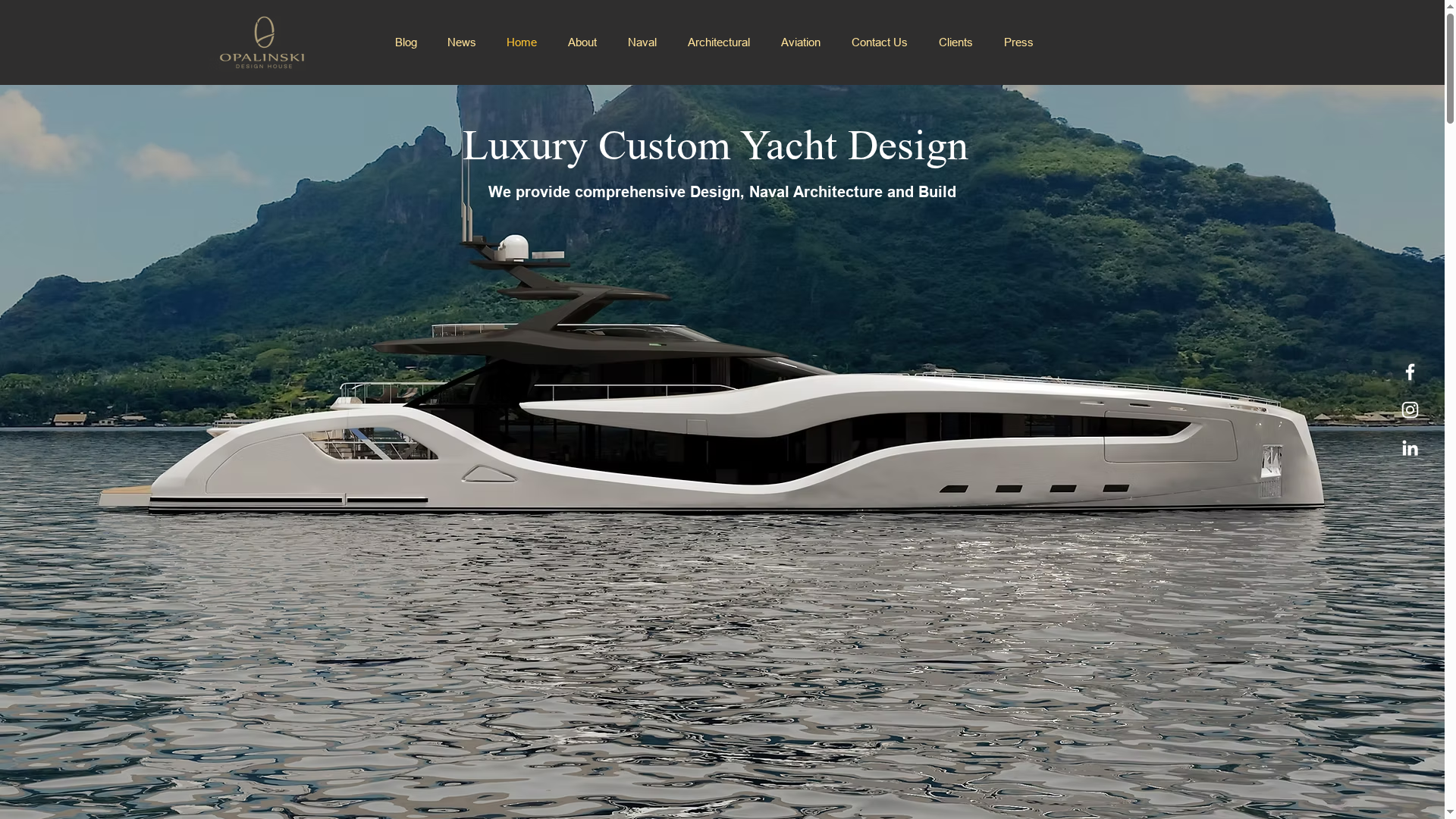
Discover how our revolutionary yacht designs can redefine your maritime lifestyle and financial strategy. Act now to benefit from industry-leading innovations tailored to your vision and requirements. Visit Opalinski Design House to explore our portfolio and initiate your journey toward a sustainably luxurious and technologically superior yacht. Learn more about naval architecture best practices and modern yacht styling ideas to see why we are pioneers in the luxury yacht industry. Contact us today for a personalized quote and start reimagining yacht ownership with confidence.
Frequently Asked Questions
What are the key dimensions of yacht innovation?
Modern yacht innovation focuses on three critical dimensions: technological integration, environmental responsibility, and adaptive functionality.
How do yacht innovation technologies impact environmental sustainability?
Yacht innovation technologies, such as electric propulsion systems and lightweight composite materials, significantly reduce carbon footprints and enhance overall environmental performance.
What financial benefits can yacht owners experience from innovation in yacht design?
Yacht owners can benefit from charter revenue, potential tax incentives, and slower depreciation rates associated with technologically advanced and sustainable vessels, potentially enhancing their return on investment.
What are some common mistakes to avoid when investing in a yacht?
Common mistakes include underestimating ongoing operational costs, failing to develop a comprehensive financial strategy, and not conducting thorough market and vessel research before making a purchase.
Recommended


Comments